

Operation Process and Working Principle of Pepper Powder Material Pneumatic Conveying Line
HeadPowder, a leading manufacturer based in Shandong, China, specializes in the design and production of advanced pneumatic conveying systems tailored for the handling of delicate and sensitive materials like pepper powder. This article provides a detailed overview of the operation process and working principles of a typical pepper powder pneumatic conveying line, highlighting the key components, operational flow, and technical advantages that make such systems efficient and reliable for industrial applications.
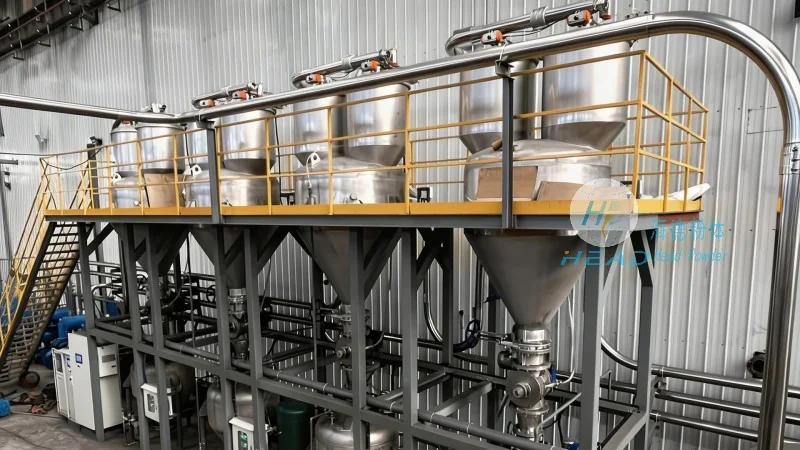
Understanding the Core Components of a Pepper Powder Pneumatic Conveying Line
A pepper powder pneumatic conveying line typically consists of several essential components that work in tandem to ensure smooth material transport. The primary elements include a hopper for material storage, a feeder to control the flow rate, a conveying pipeline, a pressure vessel or receiver to collect the material at the destination, and a blower or compressor to generate the necessary air pressure. Each component plays a critical role in maintaining the integrity of the pepper powder and ensuring efficient transport without degradation or loss.
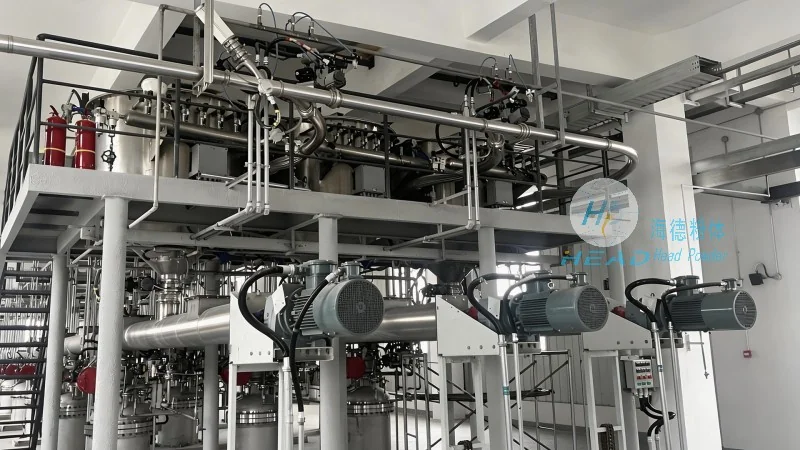
The Step-by-Step Operation Process of the Conveying Line
The operation of a pepper powder pneumatic conveying line follows a systematic sequence of steps that ensure consistent and reliable material transfer. The process begins with the material being loaded into the hopper from the storage silo. The feeder then regulates the flow of pepper powder into the conveying pipeline, ensuring a controlled and steady feed rate. Simultaneously, the blower generates a high-pressure air stream that propels the material through the pipeline. As the air and material mixture travels, it passes through the pipeline, which may include bends, expansions, or other features designed to maintain the flow and prevent blockages. Upon reaching the destination, the material is collected in the pressure vessel or receiver, where the air is separated from the powder through a cyclone or other separation device. The separated pepper powder is then discharged, while the air is either recirculated or vented, depending on the system design.
Working Principles Behind the Pneumatic Conveying System
The working principle of a pepper powder pneumatic conveying line is based on the use of air as the conveying medium to transport the material. There are two main types of pneumatic conveying systems: pressure and vacuum. For pepper powder applications, pressure systems are commonly used due to their ability to handle higher material loads and longer distances efficiently. In a pressure system, the blower creates a positive pressure inside the conveying line, forcing the air and material mixture through the pipeline. The key to the system's effectiveness lies in maintaining the correct air-to-material ratio, which ensures that the material is fully suspended and transported without settling or clogging. The design of the hopper, feeder, and pipeline is critical in achieving this balance, as it prevents material bridging or agglomeration that could lead to system failure.
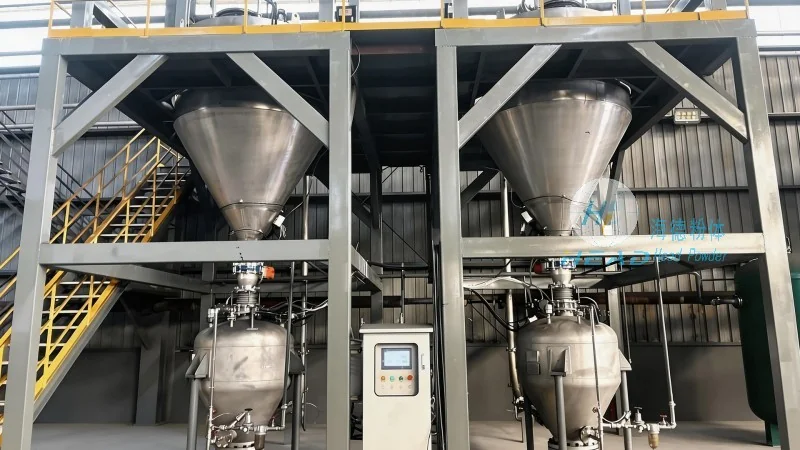
Technical Advantages and Industrial Applications
Pepper powder pneumatic conveying lines offer several technical advantages that make them ideal for industrial processing. These systems are capable of handling large volumes of material with minimal labor, reducing the risk of contamination and ensuring consistent product quality. The enclosed design of the system prevents dust and particles from escaping into the environment, which is crucial for maintaining a clean and safe working environment. Additionally, the flexibility of pneumatic conveying allows for easy integration with other processing equipment, such as mixers, grinders, or packaging machines, enabling a seamless flow of operations. The systems are also highly adaptable to different production scales, from small-scale operations to large industrial plants, making them a versatile solution for various industries involved in pepper processing and food manufacturing.