

Operation Process and Working Principle of Pneumatic Conveying Equipment for Dry Coffee Materials
HeadPowder, a leading manufacturer based in Shandong, China, specializes in the design and production of advanced pneumatic conveying equipment tailored for handling dry coffee materials. This article provides a detailed overview of the operation process and working principles of such systems, ensuring a comprehensive understanding for industry professionals and potential clients.
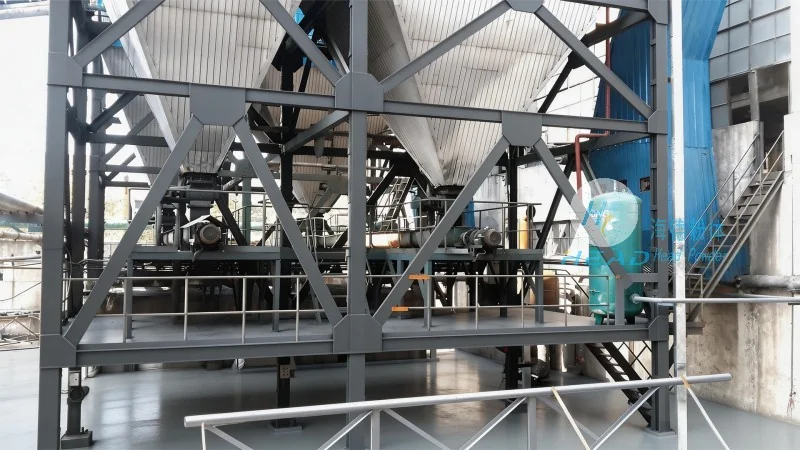
Understanding Pneumatic Conveying Technology
Pneumatic conveying is a method of transporting bulk materials through a pipeline using air or other gas as the conveying medium. For dry coffee materials, this technology offers a hygienic, efficient, and cost-effective solution compared to traditional mechanical conveying methods. The core components of a typical pneumatic conveying system include a hopper, a rotary valve, a conveying line, a dust collector, and a receiver. Each component plays a crucial role in the overall operation, ensuring smooth material transfer from the source to the destination.
Key Components and Their Functions
The hopper is the initial storage unit where dry coffee beans or ground coffee are loaded. It is designed with a sloped bottom to facilitate material flow into the rotary valve. The rotary valve acts as a gate, controlling the flow of material into the conveying line. It ensures a consistent and controlled feed rate, preventing blockages and maintaining system efficiency. The conveying line, typically made of stainless steel or other corrosion-resistant materials, is the pathway through which the coffee material is transported. The choice of material for the line is critical as it must withstand the abrasive nature of coffee particles and maintain hygiene standards. The dust collector is an essential component for capturing and filtering air-borne particles, ensuring compliance with environmental regulations and maintaining a clean working environment. Finally, the receiver is the final storage container where the conveyed coffee material is deposited.
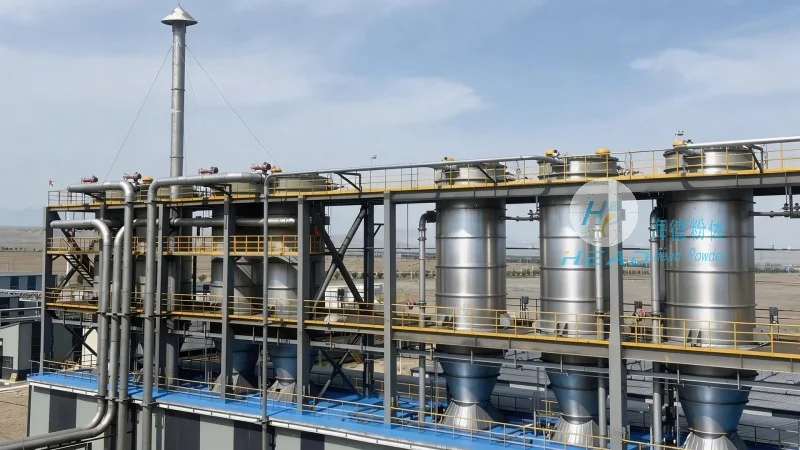
The Operation Process of Pneumatic Conveying for Dry Coffee
The operation process begins with the loading of dry coffee materials into the hopper. The rotary valve then opens to allow a controlled amount of material to enter the conveying line. Simultaneously, a fan or blower generates a flow of air within the line, creating a pressure differential that propels the coffee particles forward. As the material travels through the line, it is suspended by the air stream and transported to the receiver. The air, now containing fine particles, passes through the dust collector, where it is filtered and cleaned before being discharged or recirculated. The receiver collects the coffee material, which can then be further processed or packaged.
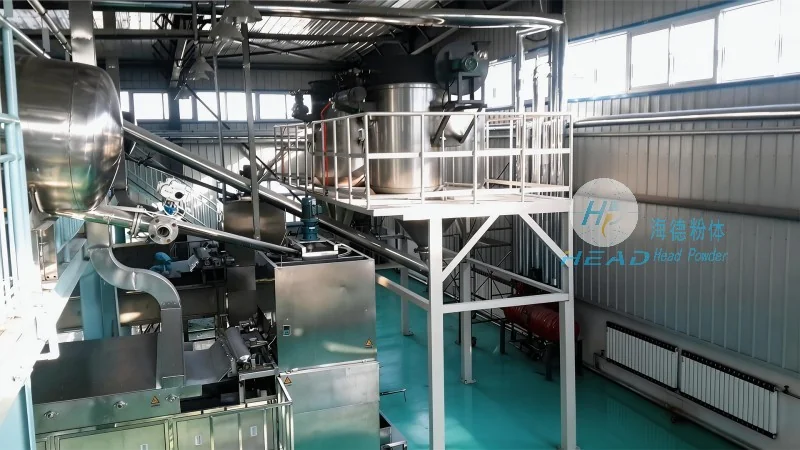
Working Principle: Air Flow and Material Suspension
The working principle of pneumatic conveying for dry coffee materials revolves around the interaction between the air flow and the material particles. When the fan operates, it creates a negative pressure (suction) or positive pressure (blowing) within the conveying line. In suction systems, the fan draws air from the receiver, creating a vacuum that pulls the coffee material from the hopper. The material is then suspended in the air stream and carried to the destination. In blowing systems, the fan pushes air into the hopper, creating a positive pressure that forces the material through the line. The key to efficient conveying is maintaining the correct air velocity and pressure. If the air velocity is too low, the material may not be fully suspended and could settle in the line, leading to blockages. Conversely, if the velocity is too high, excessive energy consumption occurs and fine particles may be lost in the air stream.
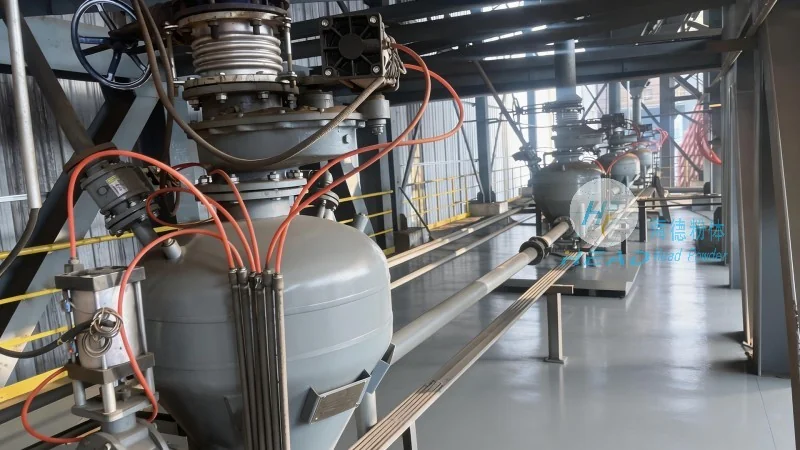
Advantages of Pneumatic Conveying for Dry Coffee Processing
Implementing pneumatic conveying systems for dry coffee materials offers several advantages over traditional methods. Firstly, it provides a hygienic and dust-free environment, which is crucial for maintaining the quality and safety of coffee products. The enclosed system prevents contamination from external sources and reduces the risk of product degradation. Secondly, it enhances operational efficiency by allowing for continuous and automated material transfer, reducing labor costs and improving production throughput. Thirdly, it offers flexibility in system design, as the conveying line can be easily reconfigured or extended to accommodate changes in production volume or layout. Additionally, the system is relatively low maintenance, with fewer moving parts compared to mechanical conveyors, leading to lower operational costs over time.
Conclusion and Company Overview
HeadPowder Engineering Co., Ltd., based in Shandong, China, is a trusted provider of high-quality pneumatic conveying equipment for the coffee industry. By understanding the unique requirements of dry coffee materials, the company designs and manufactures systems that ensure optimal performance, efficiency, and hygiene. The operation process and working principles outlined above demonstrate the effectiveness of pneumatic conveying technology in handling coffee materials, making it an ideal choice for modern coffee processing facilities. With a commitment to innovation and customer satisfaction, HeadPowder continues to lead the industry in providing reliable and efficient conveying solutions.