

Introduction to Micron Powder Pneumatic Conveying and Structural Principles
HeadPowder, a leading provider in the field of material handling technology, specializes in pneumatic conveying systems for micron powders. This article provides an overview of the structural principles and operational mechanics behind micron powder pneumatic conveying, highlighting the key components and engineering considerations that ensure efficient and reliable material transport. The company, based in Shandong, China, has extensive experience in designing and manufacturing customized pneumatic conveying solutions tailored to the unique requirements of various industries.
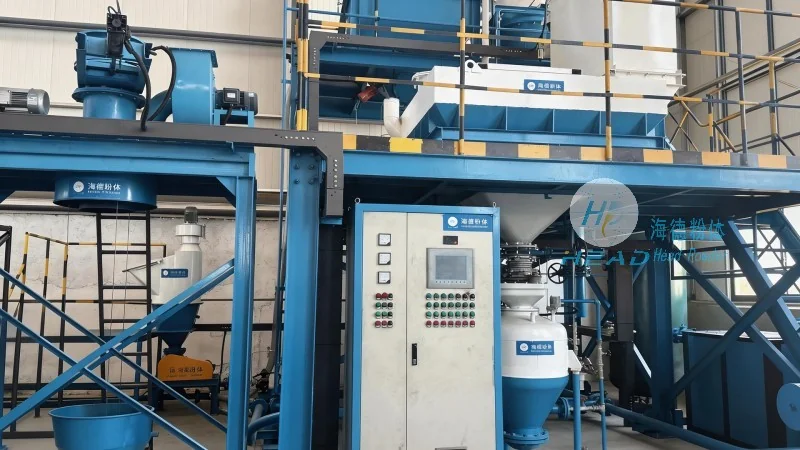
Understanding Micron Powder Pneumatic Conveying
Micron powder pneumatic conveying is a method used to transport fine powders through a pipeline using a pressurized or vacuum air stream. This technology is widely adopted in industries such as pharmaceuticals, chemicals, food processing, and manufacturing due to its ability to handle delicate and sensitive materials without contamination or degradation. The process involves several critical components that work in tandem to achieve effective material transfer.
Key Structural Components of Pneumatic Conveying Systems
The core structure of a pneumatic conveying system for micron powders typically includes a hopper for material storage, a feeder to control the flow rate, a conveying line (pipeline) where the material is transported, and a receiver for the discharged material. Each component plays a vital role in maintaining the integrity and efficiency of the system.
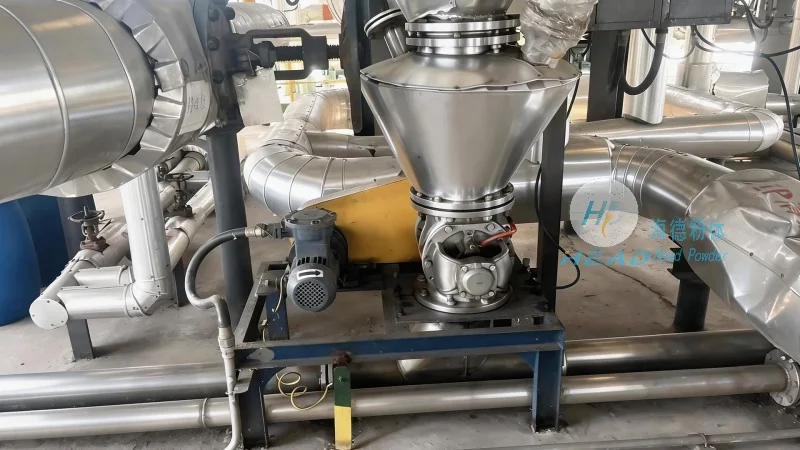
The hopper is designed to store the micron powder and provide a consistent feed to the feeder. It often features a conical or rectangular shape to facilitate smooth material flow and prevent clogging. The feeder, which may be a rotary valve, screw feeder, or vibratory feeder, regulates the powder discharge rate, ensuring a steady and controlled flow into the conveying line. This control is essential to prevent overloading the system and to maintain consistent air-powder ratios.
The conveying line is the central part of the system, where the powder is suspended and transported by the air stream. It is usually made of stainless steel or other corrosion-resistant materials to handle various powder types and to ensure durability. The line may include bends, elbows, and expansion joints to accommodate changes in direction and to reduce pressure losses. Proper design of the conveying line is crucial to minimize friction and to maintain the air velocity necessary for effective powder suspension.
The receiver is where the transported powder is collected after it exits the conveying line. It is typically equipped with a discharge valve or a hopper to allow for easy unloading. The receiver may also include a dust collection system to capture any airborne particles and to maintain a clean working environment.
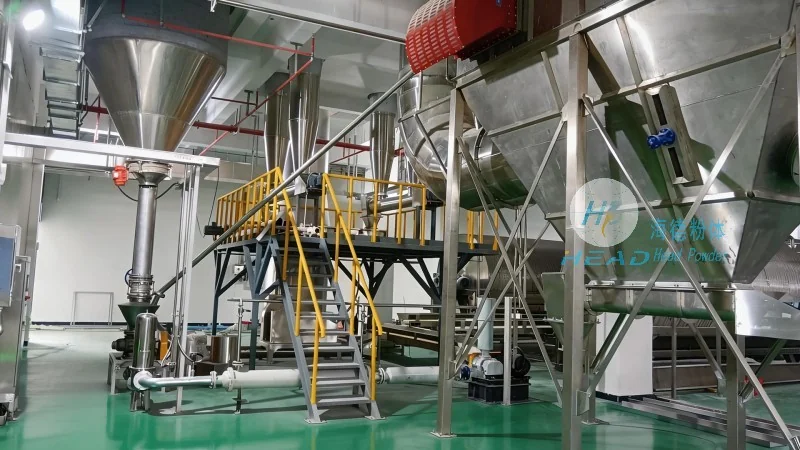
Principles of Air-Powder Ratio and Flow Control
A critical aspect of micron powder pneumatic conveying is the air-powder ratio, which refers to the proportion of air to powder in the conveying line. The optimal ratio is determined by the particle size, density, and flow characteristics of the powder. A higher air velocity is required for finer powders to keep them suspended and prevent settling. Proper flow control ensures that the air-powder mixture remains in a stable state throughout the conveying process, avoiding issues such as clogging or material degradation.
HeadPowder's engineering expertise focuses on optimizing these parameters to achieve efficient and reliable operation. By carefully selecting the appropriate feeder, conveying line diameter, and air pressure, the system can be tailored to handle specific powder characteristics and to meet the operational demands of the application.
Applications and Industry Benefits
Micron powder pneumatic conveying systems offer numerous benefits in industrial applications. They provide a clean and hygienic method of material transport, minimizing contamination risks in sensitive industries like pharmaceuticals and food processing. The system is also flexible and can be easily integrated into existing production lines, allowing for seamless material handling and process automation.
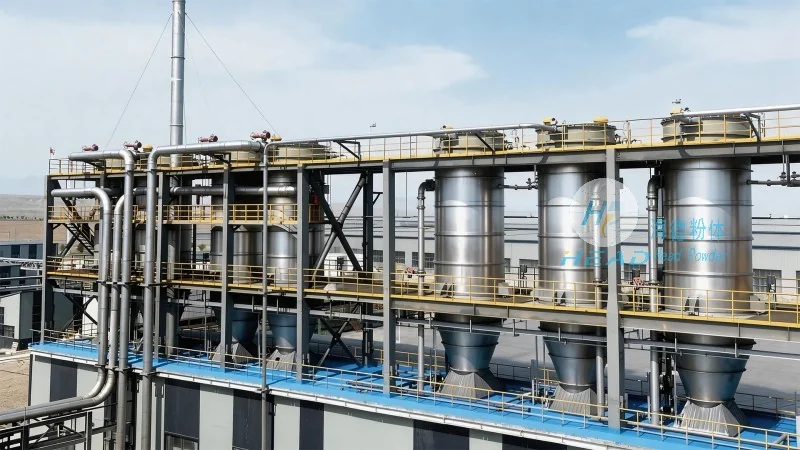
Furthermore, pneumatic conveying reduces the need for manual handling and eliminates the use of mechanical conveyors, which can cause material degradation or damage. This results in improved product quality and reduced operational costs over time. HeadPowder's commitment to quality and innovation ensures that their systems are designed to meet the highest standards of performance and reliability.
Conclusion
In summary, micron powder pneumatic conveying is a sophisticated technology that relies on precise structural design and operational control to transport fine powders efficiently. The key components, including the hopper, feeder, conveying line, and receiver, work together to maintain a stable air-powder mixture and to ensure reliable material transport. HeadPowder, with its expertise in engineering and material handling, provides comprehensive solutions that cater to the diverse needs of industries requiring micron powder transport. By adhering to the principles of optimal air-powder ratio and flow control, these systems deliver consistent performance and contribute to enhanced operational efficiency.