

Introduction to and Structural Principles of Cement and Fly Ash Pneumatic Conveying Systems
HeadPowder, a leading provider in the field of material handling solutions, specializes in the design, manufacturing, and installation of advanced pneumatic conveying systems. This article provides an overview of the cement and fly ash pneumatic conveying line, focusing on its structural components and operational principles. The company, Shandong HeadPowder Engineering Co., Ltd., is headquartered in Shandong, China, and has established a strong reputation for delivering efficient and reliable systems tailored to the specific needs of the cement and related industries.
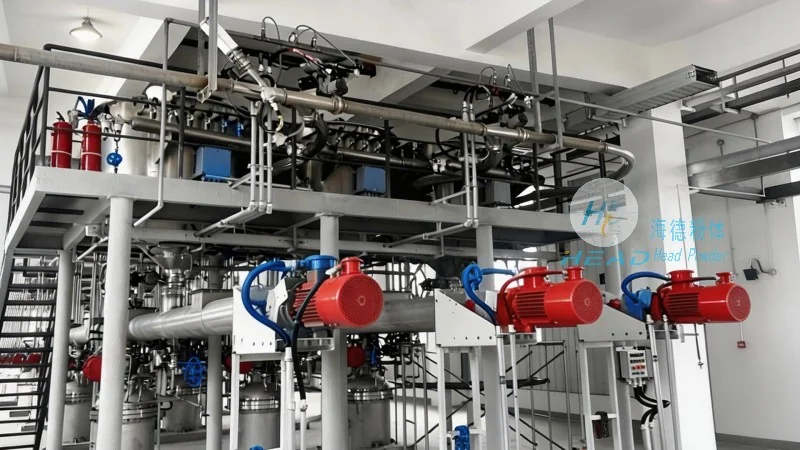
Overview of the Cement and Fly Ash Pneumatic Conveying Line
The cement and fly ash pneumatic conveying line is a sophisticated system engineered to transport bulk materials such as cement, fly ash, and other fine powders over long distances with minimal loss and maximum efficiency. This system is particularly valuable in industrial settings where traditional mechanical conveying methods may be impractical due to material characteristics like dustiness, abrasiveness, or the need for enclosed, clean environments. The HeadPowder team has developed these systems to meet the rigorous demands of modern cement production and processing facilities, ensuring consistent performance and durability.
Key Structural Components and Their Functions
The pneumatic conveying line consists of several critical components, each playing a vital role in the overall operation. These components include the material feed hopper, the air supply system (including blowers and filters), the conveying pipeline, the control valves, and the discharge equipment. The material feed hopper is designed to store and feed the bulk material into the system at a controlled rate, preventing blockages and ensuring a steady flow. The air supply system generates the necessary pressure or vacuum to move the material through the pipeline, with filters maintaining air quality and preventing dust contamination. The conveying pipeline, typically made of stainless steel or other corrosion-resistant materials, is configured in a manner that minimizes pressure drop and material degradation. Control valves are strategically placed to regulate the flow of material and air, allowing for precise control over the conveying process. Finally, the discharge equipment, such as silos or storage tanks, receives the material at the destination, completing the transport cycle.
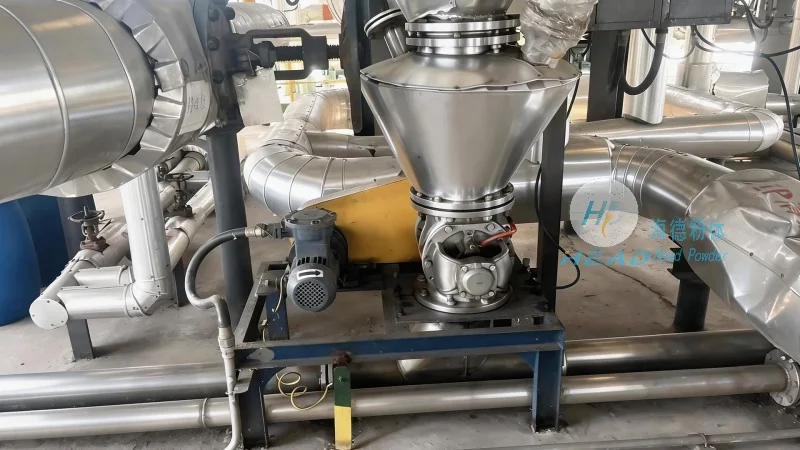
Operational Principles and How the System Works
The fundamental principle of pneumatic conveying is the use of air to transport solid particles. There are two primary modes of operation: pressure and vacuum. In pressure conveying, a positive pressure is created at the material feed point, pushing the material through the pipeline to the discharge point. This method is suitable for short to medium distances and is commonly used for transporting materials like cement from silos to mixers. In vacuum conveying, a negative pressure is created at the discharge end, drawing the material from the source to the collection point. This mode is ideal for longer distances and for handling materials that are difficult to move under pressure, such as fly ash. The system operates by introducing the material into the pipeline along with the air stream, where the particles are suspended and carried to the destination. The design of the system, including the velocity of the air and the size of the particles, is carefully optimized to ensure efficient transport without causing excessive wear or degradation of the material.
Advantages of the Cement and Fly Ash Pneumatic Conveying Line
Implementing a pneumatic conveying line for cement and fly ash offers numerous advantages over traditional conveying methods. Firstly, it provides a completely enclosed system, which helps to control dust emissions and maintain a clean working environment, reducing health hazards and compliance issues. Secondly, the system is highly efficient, with minimal material loss and low maintenance requirements, leading to cost savings over time. Thirdly, the flexibility of the system allows for easy integration with existing production lines and the ability to transport materials to multiple destinations from a single source. Additionally, the system is capable of handling a wide range of material characteristics, including different particle sizes, moisture content, and abrasiveness, making it a versatile solution for various industrial applications. The HeadPowder team has incorporated advanced features such as variable speed drives and automated controls to further enhance the performance and reliability of these systems.
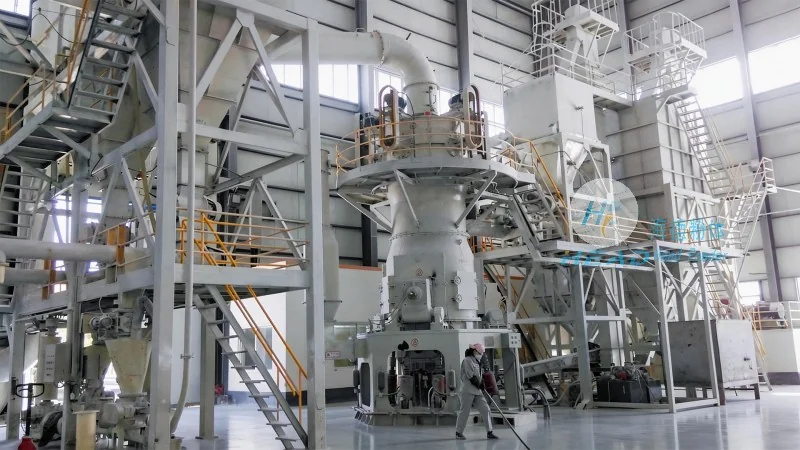
Customization and Application in Cement Production
HeadPowder recognizes that each cement production facility has unique requirements, and therefore, offers customized pneumatic conveying solutions tailored to specific operational needs. The company works closely with clients to understand their production processes, material characteristics, and logistical constraints to design a system that maximizes efficiency and minimizes downtime. For example, in a typical cement plant, the conveying line may be used to transport fly ash from the boiler to the raw material silos, or to move cement from the storage silos to the clinker grinding unit. The system can be configured to handle different material types and flow rates, ensuring that the production line operates smoothly and continuously. The HeadPowder team also provides comprehensive installation and commissioning services, ensuring that the system is properly integrated and operates as intended from the start.
Conclusion and Future Outlook
In conclusion, the cement and fly ash pneumatic conveying line is a highly effective and reliable solution for transporting bulk materials in the cement industry. The system's structural components and operational principles are designed to provide efficient, dust-free, and low-maintenance material handling, contributing to the overall productivity and sustainability of cement production facilities. As the cement industry continues to evolve and demand more efficient and environmentally friendly solutions, the role of advanced pneumatic conveying systems like those offered by HeadPowder will become increasingly important. With its commitment to innovation and customer satisfaction, Shandong HeadPowder Engineering Co., Ltd. remains at the forefront of providing cutting-edge material handling solutions that meet the evolving needs of the industry.