

Detailed Analysis of Sand and Gravel Pneumatic Conveying Systems
Pneumatic conveying systems are a critical technology for efficiently transporting bulk materials such as sand and gravel in various industrial settings. These systems operate by using compressed air or vacuum to move materials through a network of pipes, eliminating the need for traditional mechanical conveyors like belt or screw conveyors. For industries dealing with heavy, abrasive, or dusty materials, pneumatic conveying offers a safer, more efficient, and cost-effective solution. The ability to transport materials over long distances, vertical heights, and complex layouts makes these systems ideal for construction, mining, and manufacturing applications where material handling is a key operational challenge.
Key Components and Their Functions
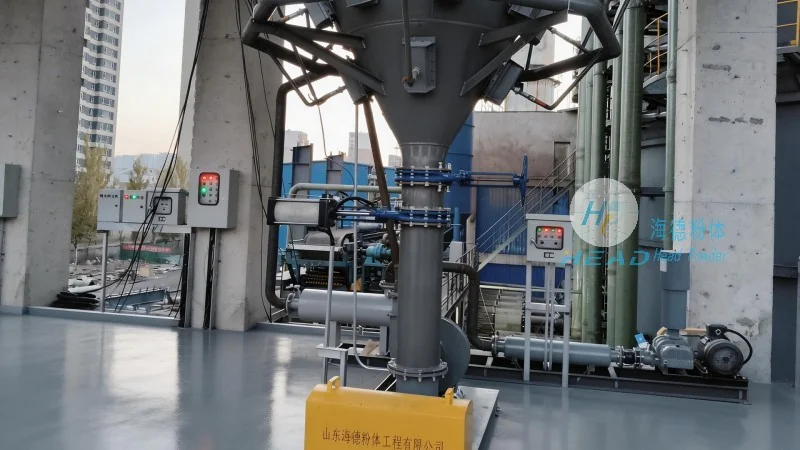
A standard pneumatic conveying system for sand and gravel typically includes several essential components, each playing a vital role in the overall operation. The primary components are the material feeder, which controls the flow rate of the sand or gravel into the system; the conveying pipeline, which transports the material from the feeder to the discharge point; the air compressor or vacuum pump, which provides the necessary pressure or suction to move the material; and the dust collector or filter system, which captures any airborne particles to maintain air quality and prevent contamination. The control unit, often equipped with sensors and automation software, monitors and adjusts the system's parameters in real-time, ensuring optimal performance and preventing issues like blockages or pressure fluctuations.

Advantages Over Traditional Conveying Methods
Compared to traditional mechanical conveyors, pneumatic conveying systems offer several distinct advantages for sand and gravel applications. One of the most significant benefits is the reduction in manual labor, as the system automates the material handling process, minimizing the risk of workplace injuries and improving overall safety. Additionally, pneumatic systems can handle abrasive materials without causing excessive wear on equipment, as the material is transported in a controlled, enclosed environment. The ability to transport materials over long distances without the need for multiple transfer points also enhances operational efficiency, reducing downtime and increasing productivity. Furthermore, these systems are adaptable to various production environments, making them suitable for both small-scale and large-scale operations, from construction sites to industrial manufacturing facilities.
HeadPowder's Customized Solutions for Sand and Gravel Industries
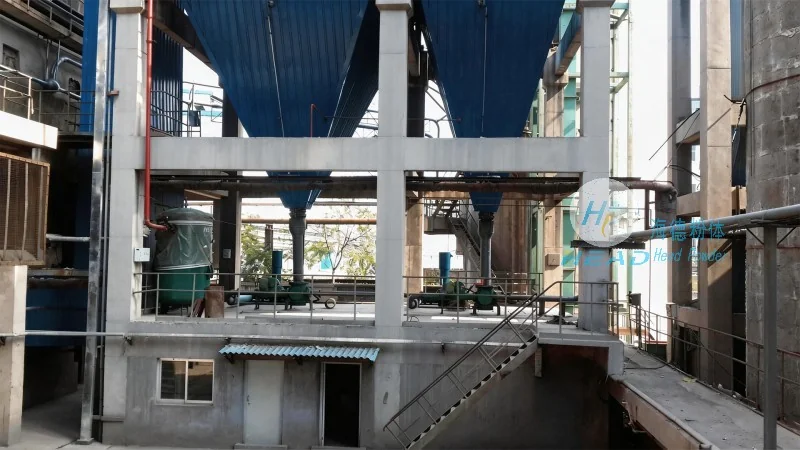
Shandong HeadPowder Engineering Co., Ltd., a leading engineering firm based in Shandong, China, specializes in designing and manufacturing customized pneumatic conveying systems tailored to the specific needs of sand and gravel industries. With a strong focus on innovation and quality, HeadPowder has built a reputation for delivering reliable, efficient, and cost-effective solutions that meet the demands of modern industrial processes. The company's team of experienced engineers and technicians works closely with clients to understand their operational requirements, material characteristics, and budget constraints, ensuring that each system is optimized for performance and longevity. HeadPowder's solutions are designed to handle a wide range of sand and gravel types, from fine powders to coarse aggregates, and can be integrated with existing equipment or new production lines.