

Classification and Composition of White Flour Pneumatic Conveying Systems
White flour pneumatic conveying systems are essential in the food processing industry, particularly for the efficient and hygienic transfer of fine powders like white flour. These systems utilize air to move materials, offering advantages such as reduced contamination, improved safety, and enhanced operational flexibility. Understanding the classification and composition of these systems is crucial for selecting the right solution for specific applications.
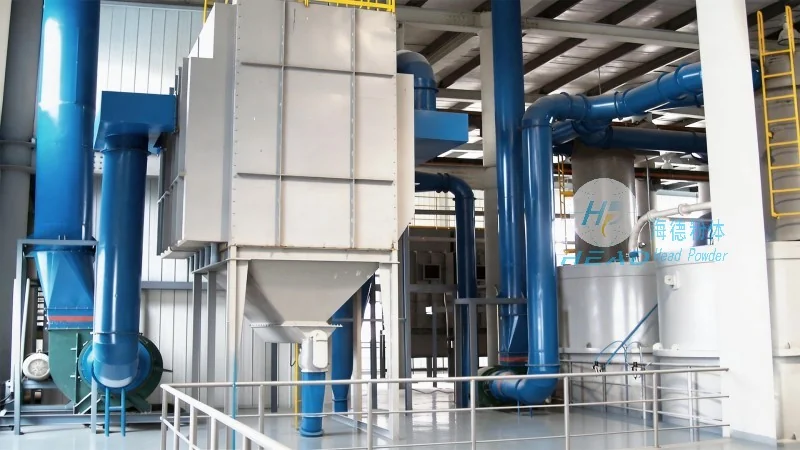
Classification of Pneumatic Conveying Systems
White flour pneumatic conveying systems can be broadly classified into two main categories based on the pressure differential within the system: positive pressure and negative pressure systems. Each type has distinct characteristics and is suitable for different operational requirements.
Positive Pressure Systems
Positive pressure systems operate by blowing air into the conveying line, creating a pressure higher than the ambient air. This method is ideal for applications requiring high material throughput and the ability to convey materials over long distances. In a positive pressure system, the material is drawn into the air stream by the moving air, ensuring a consistent and reliable flow. The system typically includes a positive displacement blower or a rotary lobe blower as the air source, which provides the necessary pressure to move the flour. The components of a positive pressure system for white flour include a feed hopper, a rotary valve or star feeder, a conveying line, and a dust collector or filter to capture any fine particles that may escape. The design emphasizes containment and cleanliness, which are critical in food processing environments.
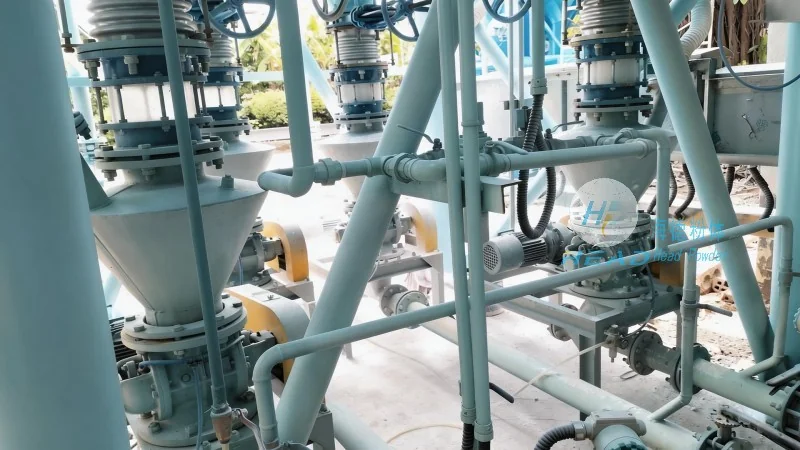
Negative Pressure Systems
Negative pressure systems, also known as vacuum systems, operate by creating a vacuum in the conveying line, drawing material from the source into the system. This approach is often preferred for applications where the material needs to be transferred from a confined space or where the system is located near the source. The negative pressure system uses a vacuum pump or a fan to create the suction, and the material is carried by the air stream as it moves through the line. Key components include a suction hopper, a rotary valve, a conveying line, and a cyclone separator or bag filter to separate the flour from the air. These systems are particularly effective for handling fine powders that are prone to dusting and require careful control of air flow to maintain efficiency and prevent clogging.
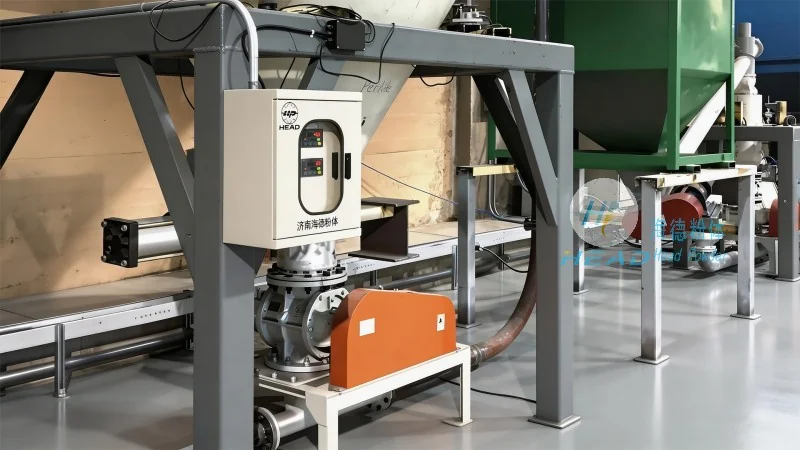
Key Components of White Flour Pneumatic Conveying Systems
Regardless of the classification, white flour pneumatic conveying systems share several critical components that ensure their proper operation and efficiency. These components work together to facilitate the movement of flour from the source to the destination while maintaining the quality and integrity of the product.
Conveying Line and Tubing
The conveying line, typically made of stainless steel or food-grade plastic, is the primary pathway for the flour and air. The material is transported through a series of pipes or hoses, which are designed to handle the pressure and flow requirements of the system. The diameter and length of the line are carefully selected based on the material characteristics, such as particle size and density, and the desired conveying velocity. Proper line sizing is crucial to prevent excessive pressure drop and ensure smooth material flow. The use of smooth, non-porous materials in the line minimizes the risk of material buildup and contamination, which is essential in food processing applications.