

Classification and Composition of Bean Cake Pneumatic Conveying Systems
Bean cake pneumatic conveying systems are specialized equipment designed to transport bean cake efficiently and safely. These systems are widely used in the food processing industry, particularly in facilities that handle soybean cake or similar agricultural byproducts. The primary goal of such systems is to move bulk materials like bean cake from one location to another without the need for mechanical contact, which helps maintain product integrity and hygiene standards. Understanding the classification and composition of these systems is crucial for selecting the right equipment for specific applications.
Classification of Bean Cake Pneumatic Conveying Systems
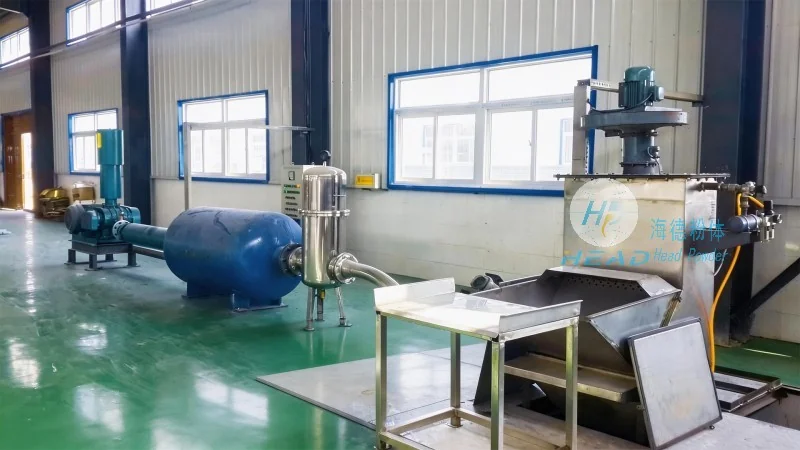
Bean cake pneumatic conveying systems can be broadly classified into two main categories based on the operating principle: suction-type and pressure-type systems. Each type has distinct characteristics and is suitable for different operational requirements.
Suction-type systems, also known as vacuum conveyors, operate by creating a negative pressure in the system to draw material from the source. This method is ideal for applications where the material needs to be moved over short distances or where the source is at a lower elevation than the destination. The suction mechanism typically involves a fan or vacuum pump that pulls air and material particles through a pipeline. These systems are often preferred for handling fine or dusty materials like bean cake, as they can effectively capture and transport particles without causing excessive wear on the equipment.
Pressure-type systems, on the other hand, use positive pressure to push material through the conveying line. In this configuration, a blower or compressor generates high-pressure air that forces the material to move from the source to the destination. Pressure-type systems are generally more suitable for longer conveying distances and when the material needs to be transported at higher velocities. They are often used in applications where the material is more dense or where the system needs to overcome significant elevation changes.
Key Components of a Bean Cake Pneumatic Conveying System
A typical bean cake pneumatic conveying system consists of several essential components that work together to ensure efficient operation. The main components include the feeding device, conveying pipeline, air source equipment, separation and collection equipment, and control systems.
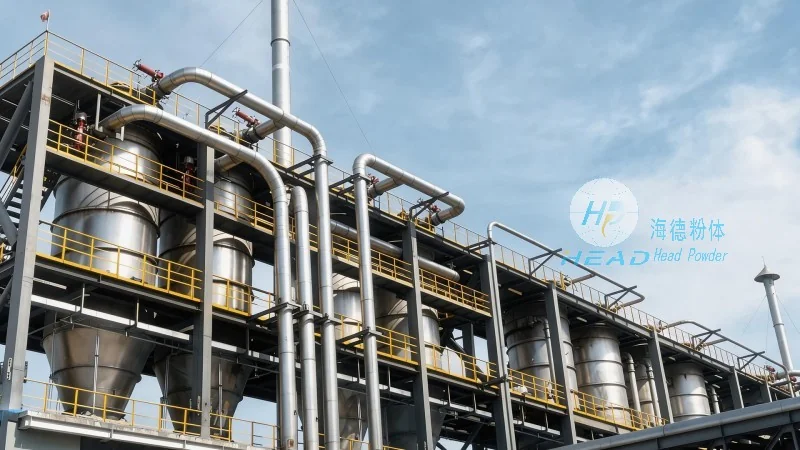
The feeding device is responsible for introducing the bean cake into the conveying system. This component can be a hopper, a rotary valve, or a screw feeder, depending on the material's characteristics and the system's requirements. For bean cake, which can be relatively dense and have a tendency to cake or stick, a hopper with a low-level sensor and a rotary valve is often used to ensure a consistent and controlled feed rate. This helps prevent blockages and maintains the system's efficiency.
The conveying pipeline is the main pathway through which the bean cake and air travel. The material is suspended in the air stream and carried to the destination. The pipeline is typically made of stainless steel or other corrosion-resistant materials to withstand the potential for moisture or dust. The design of the pipeline, including the use of bends, elbows, and straight sections, is critical for minimizing pressure losses and ensuring smooth material flow. For bean cake, which may have irregular shapes or varying sizes, the pipeline diameter and the angle of the bends are carefully selected to avoid material buildup or damage.
The air source equipment provides the necessary air pressure or vacuum to drive the conveying process. This can include a centrifugal fan for suction systems or a positive displacement blower for pressure systems. The air source is typically equipped with filters to remove dust and moisture from the air, ensuring that the material remains clean and the equipment operates reliably. For bean cake applications, where the material may contain fine particles, the air filtration system is often enhanced to prevent clogging and maintain air quality.
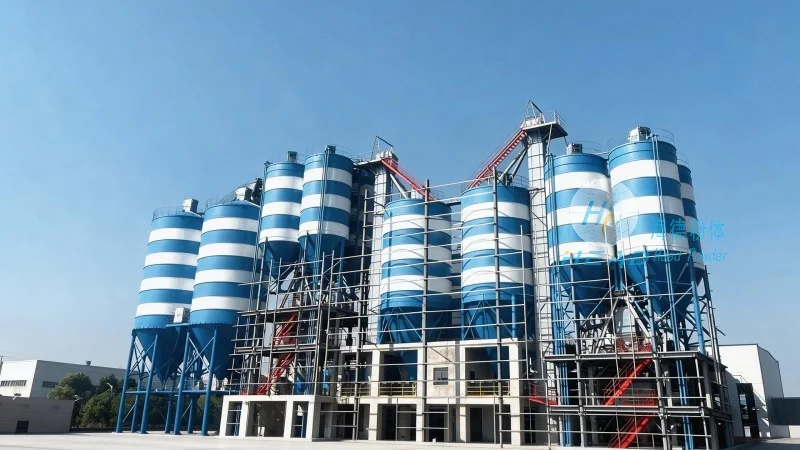
The separation and collection equipment is used to separate the bean cake from the air stream at the end of the conveying process. This component is crucial for recovering the material and preventing dust emissions. Common separation methods include cyclone separators, bag filters, or electrostatic precipitators. The choice of separator depends on the particle size and density of the bean cake. For bean cake, which is relatively dense, a cyclone separator is often used due to its efficiency in separating larger particles from the air stream. The collected material is then discharged into a storage bin or processing unit.
The control system manages the operation of the entire pneumatic conveying system. This includes monitoring the pressure, flow rate, and material level, as well as controlling the start and stop of the equipment. Modern control systems often use programmable logic controllers (PLCs) or computer-based systems to provide real-time data and automate the operation. For bean cake systems, the control system may also include features to detect blockages or overloads, which can help prevent equipment damage and ensure continuous operation.
Applications and Benefits of Bean Cake Pneumatic Conveying Systems
Bean cake pneumatic conveying systems are widely used in various industrial applications, particularly in the food processing and agricultural sectors. These systems are particularly beneficial in facilities that handle large volumes of bean cake, as they can transport the material efficiently and with minimal labor. The benefits of using pneumatic conveying systems for bean cake include improved product quality, reduced labor costs, and enhanced safety.
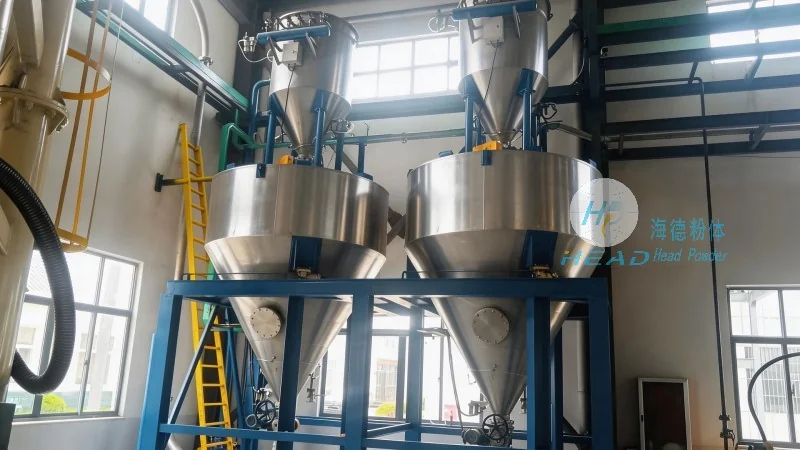
One of the primary benefits is the ability to maintain product integrity. Since the material is not in direct contact with mechanical components, there is less risk of contamination or damage to the bean cake. This is especially important in food processing applications where hygiene and product quality are critical. Additionally, pneumatic conveying systems can handle materials that are difficult to transport using traditional methods, such as those with high moisture content or that tend to cake.
Another significant benefit is the reduction in labor costs. Unlike manual handling or mechanical conveyors, pneumatic systems can operate continuously with minimal human intervention. This not only reduces the need for manual labor but also improves operational efficiency and reduces the risk of accidents. The automated control systems further enhance the system's reliability and reduce downtime.
Safety is also a key consideration when using bean cake pneumatic conveying systems. These systems are designed to minimize the risk of dust explosions or material handling accidents. The use of sealed pipelines and proper ventilation helps to control dust levels and prevent the accumulation of flammable materials. Additionally, the control systems can be equipped with safety features such as emergency stop buttons and overload protection, which further enhance the safety of the operation.
Conclusion
Bean cake pneumatic conveying systems are essential equipment for efficiently transporting bean cake in various industrial applications. By understanding the classification and composition of these systems, users can select the appropriate equipment for their specific needs. The key components, including the feeding device, conveying pipeline, air source equipment, separation equipment, and control system, work together to ensure efficient and reliable operation. The benefits of using pneumatic conveying systems, such as improved product quality, reduced labor costs, and enhanced safety, make them a preferred choice for many facilities handling bean cake. As the demand for efficient and hygienic material handling solutions continues to grow, the importance of well-designed pneumatic conveying systems will only increase.