

Classification and Composition of Feed Pneumatic Conveying Systems
Feed pneumatic conveying systems are primarily classified based on the method of air flow and material transport. The two main categories are suction-type and pressure-type systems. Suction systems utilize a vacuum to draw material from the source into the conveying line, making them suitable for applications where the material needs to be moved from a lower elevation or a confined space. Pressure systems, on the other hand, use compressed air to push material through the pipeline, offering higher conveying capacities and better control over the material flow. Each type has its own advantages and is chosen based on specific operational requirements, such as the distance to be covered, the material characteristics, and the desired system efficiency.
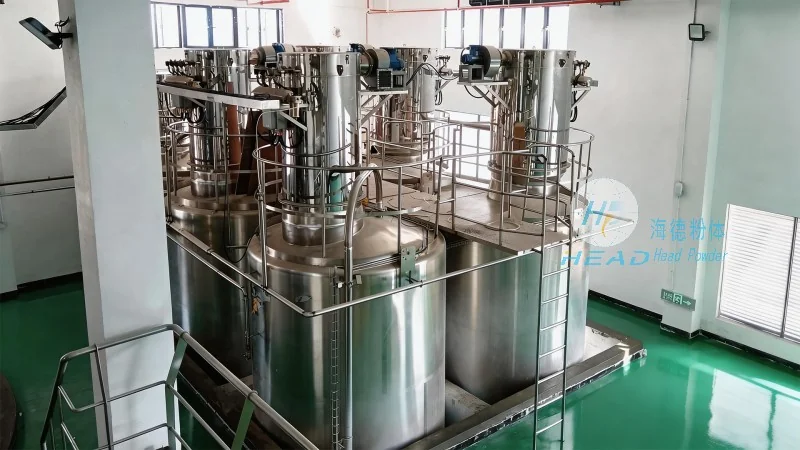
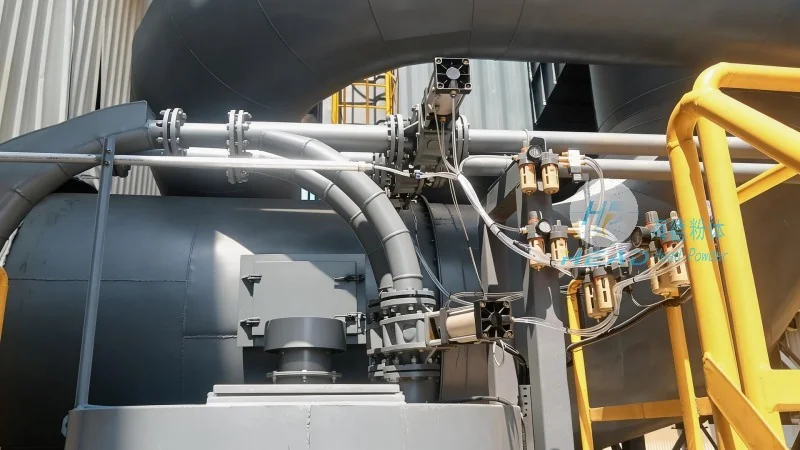
Key Components of a Feed Pneumatic Conveying System
A typical feed pneumatic conveying system consists of several critical components that work in tandem to ensure efficient material handling. The first component is the feed hopper, which stores and feeds the feed material into the system. This hopper is equipped with a feeder, such as a rotary valve or a screw feeder, that controls the flow rate of the material. The feeder ensures a consistent and controlled supply of feed to the conveying line, preventing blockages and maintaining system stability. Next, the conveying pipeline is the main channel through which the material and air travel. The pipeline is typically made of stainless steel or other corrosion-resistant materials to handle the feed's moisture and potential contaminants. The design of the pipeline, including the use of bends, elbows, and expansion joints, is crucial for minimizing pressure losses and ensuring smooth material transport. The third essential component is the air source, which provides the necessary airflow. This can be a vacuum pump for suction systems or a blower or compressor for pressure systems. The air source must be capable of delivering the required volume and pressure to maintain the desired conveying velocity. Finally, the separator and collection system is responsible for separating the material from the air at the end of the conveying line. This component typically includes a cyclone separator or a bag filter, which captures the feed particles and returns them to the system or to a storage bin. The separator is critical for maintaining air quality and preventing material loss.
Application-Specific Considerations in Feed Pneumatic Conveying
The design and selection of a feed pneumatic conveying system often depend on the specific characteristics of the feed material. For example, materials with high moisture content or fine particles may require special considerations to prevent clogging or degradation. In such cases, the system may include additional components like a pre-drying unit or a de-agglomerating device to improve material flow. The conveying distance is another critical factor, as longer distances may necessitate multiple stages of conveying or higher air pressure to maintain the material's velocity. Additionally, the system's capacity and reliability are important for feed mills and animal feed production facilities, where consistent feed supply is essential for operational efficiency. The choice of components, such as the type of feeder or the size of the pipeline, directly impacts the system's performance and longevity. For instance, a properly sized rotary valve can prevent material buildup and reduce maintenance needs, while an appropriately designed separator can ensure high recovery rates of the feed material.

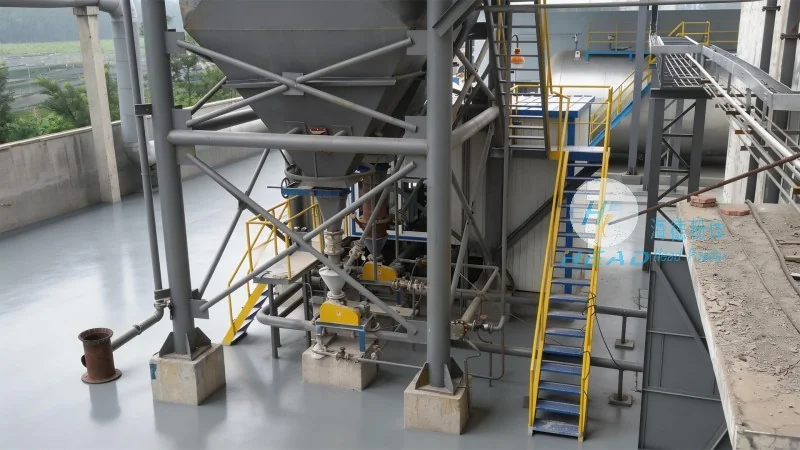
Role of Shandong HeadPowder Engineering Co., Ltd. in Feed Pneumatic Conveying Solutions
Shandong HeadPowder Engineering Co., Ltd., commonly known as HeadPowder, is a leading manufacturer specializing in the design, development, and installation of feed pneumatic conveying systems. With a strong focus on engineering excellence and customer satisfaction, HeadPowder provides tailored solutions for various feed processing applications. The company's expertise lies in understanding the unique requirements of feed materials, such as grain, pellets, or powdered feed, and designing systems that optimize material handling efficiency. HeadPowder's team of engineers utilizes advanced technologies and industry best practices to create systems that are robust, reliable, and cost-effective. The company's products are built with high-quality materials and components, ensuring long service life and minimal downtime. HeadPowder also offers comprehensive after-sales support, including maintenance services and technical assistance, to ensure that clients can maximize the performance of their feed pneumatic conveying systems. By combining technical expertise with practical experience, HeadPowder helps feed mills and animal feed producers improve their operational efficiency and reduce material handling costs.