

Classification and Composition of Solid Powder Pneumatic Conveying Systems
HeadPowder, a leading enterprise in the field of solid powder pneumatic conveying technology, specializes in the design, manufacturing, and application of advanced systems for efficient material handling. This article provides a detailed overview of the classification and key components of solid powder pneumatic conveying systems, highlighting the technical aspects and practical applications that define modern industrial solutions.
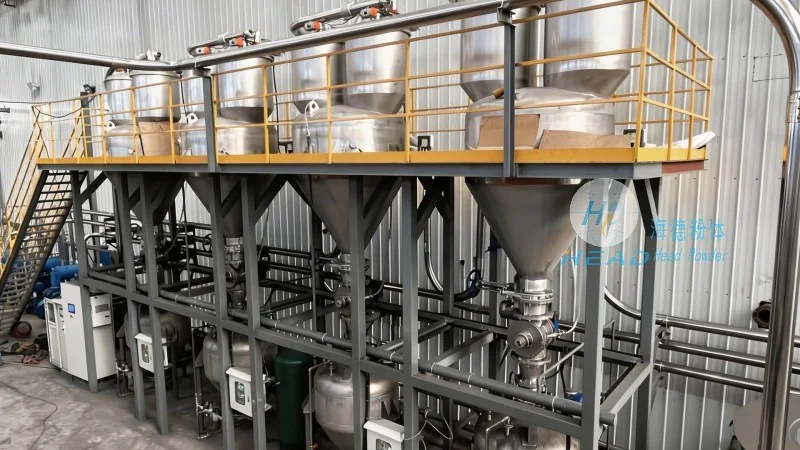
1. Classification of Solid Powder Pneumatic Conveying Systems
Solid powder pneumatic conveying systems are primarily classified based on the method of air flow and the direction of material transport. The two main categories are suction (or vacuum) conveying and pressure conveying. Each type has distinct characteristics and is suitable for different operational scenarios.
2. Suction (Vacuum) Conveying Systems
Suction conveying systems operate by creating a negative pressure at the material intake point, drawing the powder into the system through a pipeline. This method is ideal for applications where the material needs to be collected from multiple sources or transported over relatively short distances. The system typically includes a vacuum pump, a hopper for material storage, and a filter to remove dust from the exhaust air. The design of the suction system focuses on maintaining consistent airflow and preventing material blockages in the pipeline.
3. Pressure Conveying Systems
Pressure conveying systems, on the other hand, use positive pressure to push the material through the pipeline. These systems are more suitable for long-distance transport and high-volume applications, as they can handle larger quantities of material with less risk of clogging. The pressure system comprises a blower or compressor, a material feeder, and a pressure vessel or storage tank. The pressure is maintained throughout the pipeline, ensuring smooth material flow and efficient transport.
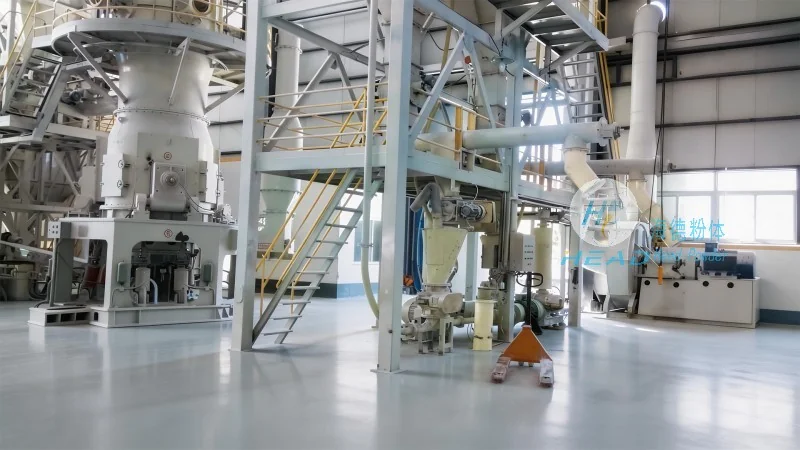
4. Hybrid Conveying Systems
Hybrid systems combine elements of both suction and pressure conveying to offer greater flexibility and efficiency. For instance, a system might use suction to collect material from a source and then switch to pressure to transport it over longer distances. This approach is particularly useful in complex industrial setups where multiple material sources and destinations are involved. The hybrid system integrates the advantages of both methods, providing a versatile solution for various material handling needs.
5. Key Components of Solid Powder Pneumatic Conveying Systems
Regardless of the classification, solid powder pneumatic conveying systems consist of several essential components that work together to ensure reliable operation. These components include:
6. Material Feeding and Hopper
The material feeding and hopper are critical components that ensure a consistent and controlled supply of powder to the conveying system. The hopper is designed to store the bulk material and feed it into the system at a steady rate. Various types of feeders, such as rotary valves, screw feeders, or vibratory feeders, are used to regulate the flow of material. The design of the hopper and feeder is crucial to prevent material bridging or clogging, which can disrupt the conveying process. The material feeding system must be compatible with the specific characteristics of the powder, such as particle size, moisture content, and flowability.
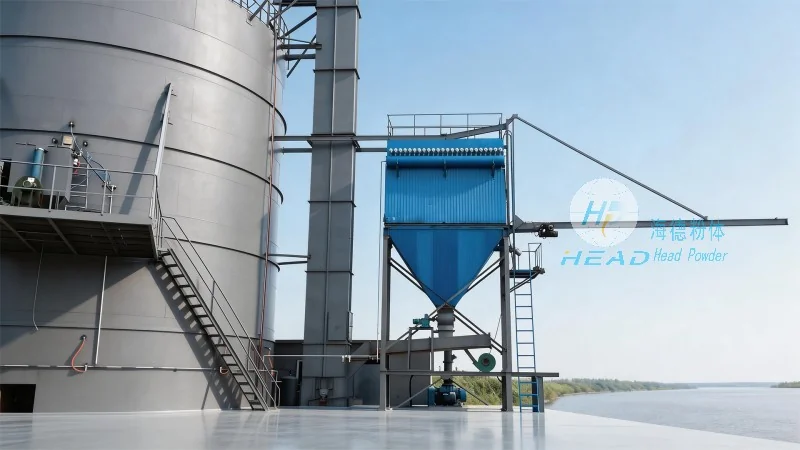
7. Air Supply System
The air supply system is responsible for providing the necessary airflow to move the powder through the pipeline. In suction systems, a vacuum pump generates the negative pressure, while in pressure systems, a blower or compressor produces the positive pressure. The air supply system includes filters to remove contaminants from the air, ensuring that the material remains clean and free from dust. The air flow rate is carefully controlled to match the material's conveying requirements, preventing excessive pressure drops or insufficient airflow that could lead to system inefficiencies.
8. Conveying Pipeline
The conveying pipeline is the main pathway for transporting the powder from the source to the destination. The pipeline is typically made of materials such as stainless steel, plastic, or metal, depending on the material being conveyed and the operating conditions. The design of the pipeline includes bends, elbows, and straight sections, which are optimized to minimize pressure losses and prevent material deposition. The pipeline is equipped with valves and controls to regulate the flow and direction of the material, allowing for precise control over the conveying process.
9. Control and Monitoring Systems
Control and monitoring systems are essential for maintaining the efficiency and safety of the pneumatic conveying system. These systems include sensors to monitor pressure, flow rate, and material level, as well as control panels to adjust the system parameters. The control system can be automated to adjust the airflow and feeding rate based on real-time conditions, ensuring optimal performance. Additionally, safety features such as pressure relief valves and emergency shut-off mechanisms are integrated to prevent accidents and protect the system from damage.
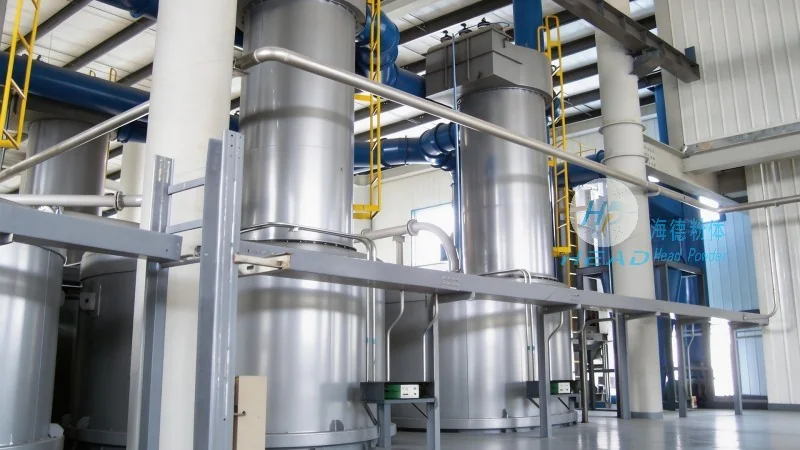
10. Dust Collection and Filtration
Dust collection and filtration are critical components of any pneumatic conveying system, as they help to maintain a clean and safe working environment. The system includes filters and dust collectors that remove fine particles from the exhaust air, preventing them from being released into the atmosphere. The filtration system is designed to capture particles of various sizes, ensuring that the air is clean and free from contaminants. The collected dust is typically stored in a container for disposal or reuse, depending on the material properties and regulatory requirements.
11. Application Examples and Benefits
Solid powder pneumatic conveying systems are widely used in various industries, including pharmaceuticals, food processing, chemical manufacturing, and mining. The benefits of these systems include high efficiency, low maintenance, and the ability to handle a wide range of materials. The systems are designed to minimize material loss and contamination, ensuring product quality and safety. Additionally, the systems can be integrated with other industrial processes, such as mixing and packaging, to create a seamless material handling solution.
HeadPowder Engineering Co., Ltd., based in Shandong, China, is a trusted provider of solid powder pneumatic conveying systems. With years of experience and expertise in the field, the company offers customized solutions tailored to the specific needs of its clients. The company's systems are designed to meet the highest standards of performance and reliability, ensuring that they deliver long-term value and efficiency to industrial operations.