

Classification and Composition of Wheat Starch Pneumatic Conveying Systems
Shandong HeadPowder Engineering Co., Ltd. specializes in the design, manufacturing, and installation of advanced pneumatic conveying systems tailored for the wheat starch industry. With a focus on efficiency, reliability, and customization, our systems are engineered to meet the unique demands of starch processing facilities. This article provides an in-depth look at the classification and key components of wheat starch pneumatic conveying systems, highlighting the technical aspects that ensure optimal performance in industrial applications.
Company Overview and Expertise
HeadPowder, a leading manufacturer in the field, has established itself as a trusted partner for starch processing plants. Based in Shandong, China, the company leverages decades of experience in material handling and process engineering to deliver solutions that enhance productivity and reduce operational costs. Our team of engineers and technicians works closely with clients to understand their specific requirements, ensuring that each system is optimized for the characteristics of wheat starch, such as its granular size, moisture content, and flow properties.
Classification of Wheat Starch Pneumatic Conveying Systems
Wheat starch pneumatic conveying systems can be broadly classified into two main categories based on the conveying principle: pressure and vacuum systems. Each type has distinct advantages and is suitable for different operational scenarios.
1. Pressure Pneumatic Conveying Systems
Pressure systems utilize compressed air or gas to move materials through a pipeline. These systems are commonly used for long-distance or high-capacity conveying, as they can maintain a consistent flow rate and handle abrasive materials like wheat starch without significant wear. The key components of a pressure system include a positive displacement blower or compressor, a hopper for material storage, a feeder to control the flow rate, and a pipeline network with appropriate fittings and valves. The compressed air acts as the motive force, carrying the starch particles through the system. This method is particularly effective for applications requiring continuous operation and minimal downtime.
2. Vacuum Pneumatic Conveying Systems
Vacuum systems, on the other hand, use a vacuum pump to create a negative pressure that draws materials from a hopper or storage bin into the pipeline. These systems are ideal for short-distance conveying or when the material needs to be transported from multiple points to a central collection point. The components of a vacuum system typically include a vacuum pump, a hopper with a rotary valve or gate, and a pipeline with appropriate filters to prevent material blockage. Vacuum systems are often preferred for their ability to handle materials with higher moisture content or for applications where the system needs to be flexible and adaptable to changing production needs.
Key Components of Wheat Starch Pneumatic Conveying Systems
Regardless of the classification, all wheat starch pneumatic conveying systems share several critical components that ensure their proper functioning and longevity. These components are designed to handle the specific properties of wheat starch, including its fine particle size and potential for caking or agglomeration.
1. Material Hopper and Storage
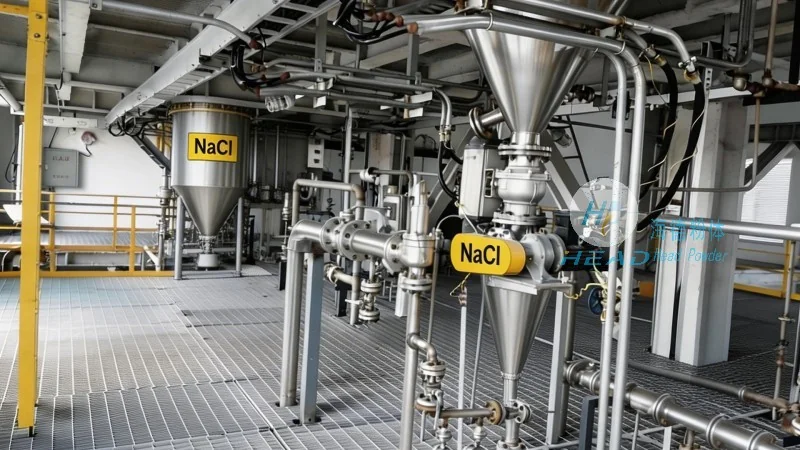
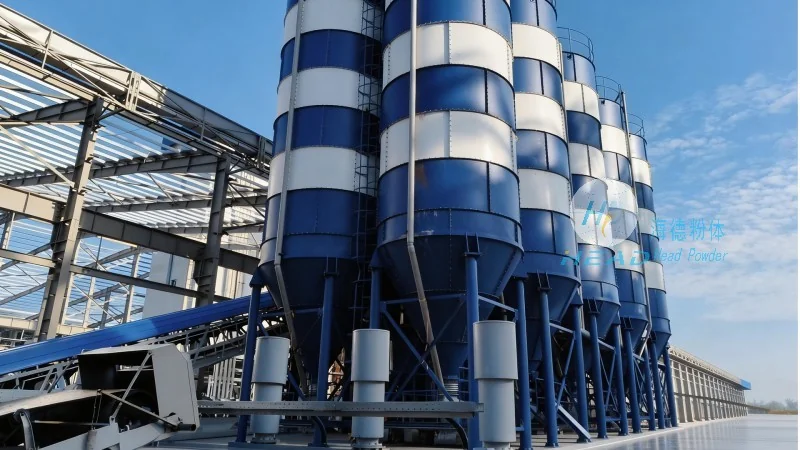
The hopper is the primary storage vessel for wheat starch, designed to hold the raw material before it is conveyed. It is typically made of stainless steel or other corrosion-resistant materials to prevent contamination and ensure durability. The hopper is equipped with a feeding mechanism, such as a rotary valve or a screw feeder, which controls the flow rate of the starch into the system. This component is crucial for maintaining a consistent feed rate, preventing overloading of the conveying line, and ensuring smooth operation.
2. Conveying Pipeline and Fittings
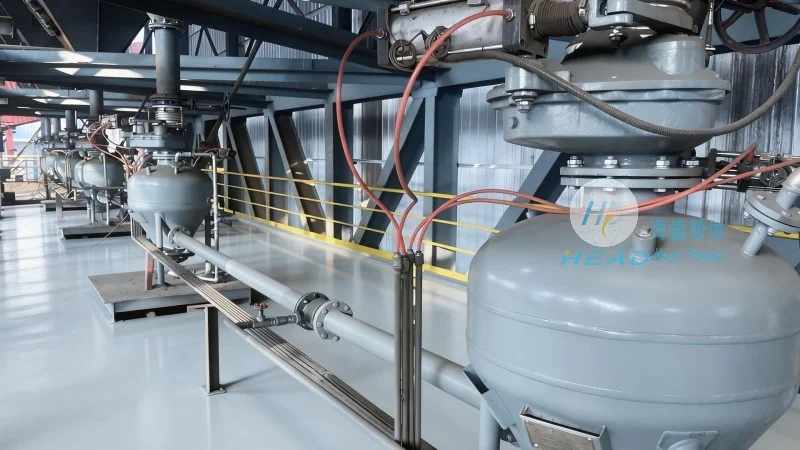
The pipeline network is the backbone of the pneumatic conveying system, responsible for transporting the wheat starch from the hopper to the destination point. The pipeline is usually made of stainless steel or PVC, depending on the material's properties and the system's pressure requirements. It is equipped with various fittings, including elbows, tees, and reducers, to direct the flow and maintain the system's integrity. The pipeline is also fitted with filters and cyclones to separate the starch from the air and prevent blockages or damage to downstream equipment. Proper sizing of the pipeline is essential to ensure efficient flow and minimize pressure drop, which directly impacts the system's performance and energy consumption.
3. Air Supply and Control Systems
The air supply system is responsible for providing the necessary pressure or vacuum to move the wheat starch through the pipeline. For pressure systems, a positive displacement blower or compressor generates the required air pressure, while for vacuum systems, a vacuum pump creates the negative pressure. The air supply is equipped with control valves and regulators to adjust the pressure or vacuum levels as needed. Additionally, the system includes air filters and moisture separators to ensure that the air used is clean and dry, preventing contamination of the starch and reducing wear on the components. Proper maintenance of the air supply system is critical to prevent air leaks and ensure consistent performance.
4. Material Separation and Collection
At the receiving end of the system, the wheat starch is separated from the air and collected in a designated container. This is typically achieved using a cyclone separator or a baghouse filter. The cyclone uses centrifugal force to separate the starch particles from the air, while the baghouse filters the air to capture any fine particles. The collected starch is then discharged into a storage bin or processing equipment. The separation system is designed to handle the high volume of air and the fine particle size of wheat starch, ensuring that the starch is recovered efficiently and without loss.
Advantages of Wheat Starch Pneumatic Conveying Systems
Wheat starch pneumatic conveying systems offer several advantages over traditional mechanical conveying methods. These include reduced labor costs, as the system can operate automatically with minimal human intervention. The systems also minimize material handling and contamination risks, as the starch is transported in a closed pipeline, preventing exposure to dust and moisture. Additionally, pneumatic systems can handle a wide range of material characteristics, including different particle sizes and moisture contents, making them versatile for various starch processing applications. The ability to convey materials over long distances without the need for multiple transfer points also improves overall efficiency and reduces downtime.
Customization and Application Flexibility
HeadPowder understands that each starch processing facility has unique requirements, and therefore, we offer customized pneumatic conveying systems tailored to specific needs. Our engineers work closely with clients to design systems that meet their production capacity, space constraints, and operational goals. Whether the system is for short-distance conveying within a facility or long-distance transport between sites, our solutions are designed to be flexible and adaptable. The use of modular components allows for easy expansion or modification of the system as production needs change. This flexibility ensures that the system remains efficient and cost-effective over its operational life.
Conclusion
Wheat starch pneumatic conveying systems are essential components of modern starch processing facilities, providing efficient, reliable, and flexible material handling solutions. By understanding the classification and key components of these systems, starch manufacturers can make informed decisions about their material handling infrastructure. HeadPowder, with its expertise and commitment to quality, offers comprehensive solutions that enhance productivity and reduce operational costs. Our systems are designed to meet the specific demands of wheat starch, ensuring optimal performance and longevity. For more information on our pneumatic conveying systems, please contact us at Shandong HeadPowder Engineering Co., Ltd., located in Shandong, China.