

Classification and Composition of Pneumatic Conveying Systems for Synthetic Rubber
Shandong HeadPowder Engineering Co., Ltd., commonly known as HeadPowder, is a professional manufacturer specializing in the design, production, and supply of pneumatic conveying systems, particularly for synthetic rubber applications. The company is headquartered in Shandong, China, and has established a strong reputation in the industry for its innovative solutions and reliable performance in material handling.
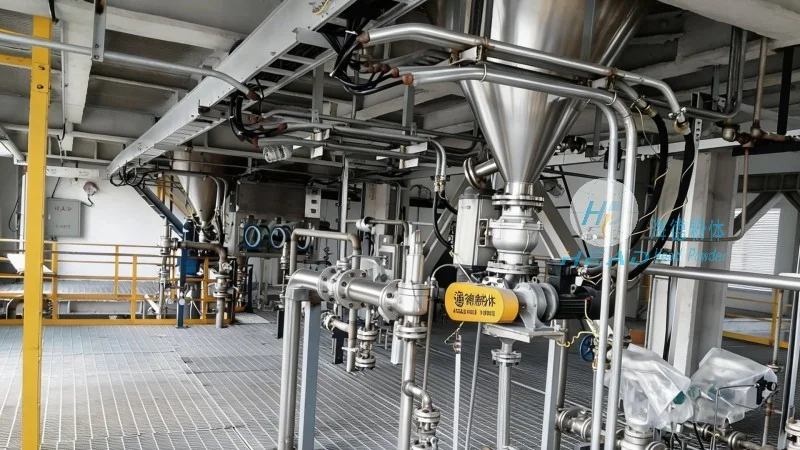
Classification of Synthetic Rubber Pneumatic Conveying Systems
When discussing pneumatic conveying systems for synthetic rubber, it's essential to understand the different classifications based on operational principles and system design. The primary categories include dilute-phase and dense-phase systems, each tailored to specific material characteristics and process requirements. Dilute-phase systems, such as pressure and vacuum conveyors, are commonly used for fine or powdery synthetic rubber, offering high efficiency and low pressure drop. Dense-phase systems, on the other hand, use higher pressure and lower air velocity to transport bulk materials, reducing product degradation and ensuring better control over material flow. HeadPowder's expertise lies in customizing these systems to meet the unique needs of synthetic rubber processing, ensuring optimal performance and durability.
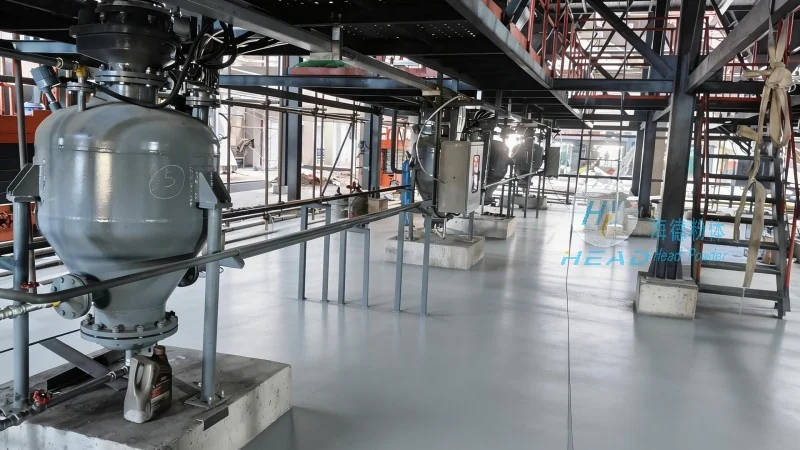
Key Components of Synthetic Rubber Pneumatic Conveying Systems
A pneumatic conveying system for synthetic rubber typically consists of several critical components that work in tandem to ensure efficient material transport. The main components include the material feed hopper, which stores and feeds the synthetic rubber into the system; the conveyor line, which can be either horizontal or vertical, depending on the layout of the processing facility; the air supply unit, which provides the necessary pressure or vacuum to move the material; and the control system, which monitors and regulates the flow of both material and air. Additionally, the system may include accessories like filters, cyclones, and silos to manage dust and ensure a clean operation environment. Each component is carefully selected and engineered to handle the specific properties of synthetic rubber, such as its abrasiveness and potential for caking, ensuring long-term reliability and minimal maintenance.
Customization and Application Considerations
HeadPowder recognizes that synthetic rubber applications vary widely, from small-scale laboratory use to large industrial production lines. Therefore, the company offers customized solutions that adapt to specific operational parameters, such as material flow rates, system length, and environmental conditions. For instance, in applications involving abrasive synthetic rubber, the system components are constructed from corrosion-resistant materials like stainless steel to extend service life. The company also considers factors like dust control and safety regulations, integrating features like explosion-proof designs and dust collection systems to meet industry standards. By focusing on these aspects, HeadPowder ensures that its pneumatic conveying systems not only deliver efficient material transport but also contribute to a safe and sustainable operation.
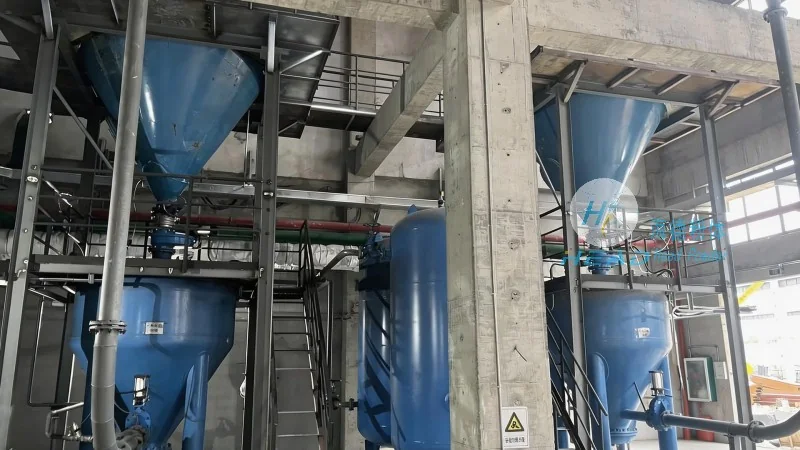
Advantages of Pneumatic Conveying for Synthetic Rubber
Compared to traditional mechanical conveying methods, pneumatic conveying systems offer several advantages when handling synthetic rubber. These include the ability to transport materials over long distances without the need for multiple transfer points, reducing the risk of material degradation and contamination. The systems also provide better control over material flow, allowing for precise dosing and mixing, which is crucial in rubber processing. Additionally, pneumatic conveyors can handle a wide range of synthetic rubber types, from fine powders to bulk granules, without requiring significant modifications. HeadPowder's systems are designed to leverage these benefits, ensuring that clients achieve higher productivity, lower operational costs, and improved product quality. The company's commitment to quality and innovation has made it a trusted partner for businesses seeking reliable pneumatic conveying solutions for synthetic rubber applications.