

Analysis of Bentonite Pneumatic Conveying Systems
Bentonite, a versatile clay material widely used in various industrial applications, often requires efficient and reliable transport solutions. Pneumatic conveying systems have emerged as a preferred method for handling bentonite due to their ability to move bulk materials over long distances with minimal human intervention. This article provides a comprehensive analysis of bentonite pneumatic conveying systems, focusing on their design, operation, and key benefits.
Key Components of Bentonite Pneumatic Conveying Systems
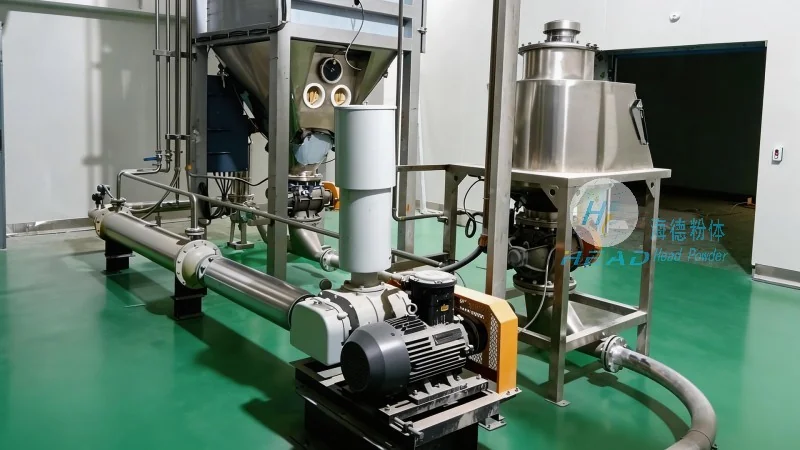
At the core of any pneumatic conveying system are several critical components that work in tandem to ensure smooth material transport. The primary elements include the material feed hopper, which stores and feeds the bentonite into the system; the conveying line, typically made of stainless steel or other corrosion-resistant materials to handle the clay's moisture content; and the air compressor or blower, which generates the necessary pressure to move the material. Additionally, a separator or cyclone is often integrated to separate the bentonite from the air stream, allowing for clean material discharge and air recycling. The system may also incorporate control valves, sensors, and a dust collection system to maintain operational efficiency and safety.
How Bentonite Pneumatic Conveying Works
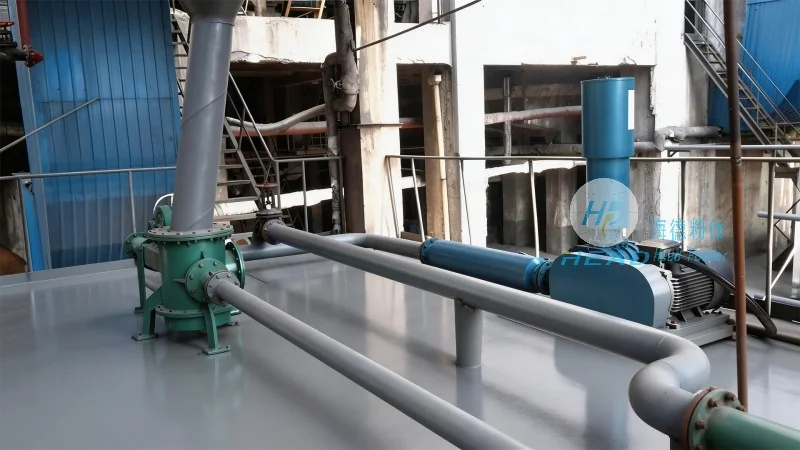
The operation of a bentonite pneumatic conveying system relies on the principle of air movement to transport bulk material. In a typical setup, bentonite is fed from the hopper into the conveying line under pressure. The air compressor supplies compressed air, which creates a flow that carries the bentonite particles through the pipeline. As the material travels, it may encounter various components such as bends, expansions, or restrictions, which are designed to maintain consistent flow and prevent blockages. The system's design, including the air-to-material ratio and pipeline diameter, is carefully optimized to ensure efficient transport without excessive energy consumption or material degradation.
Advantages of Using Bentonite Pneumatic Conveying Systems
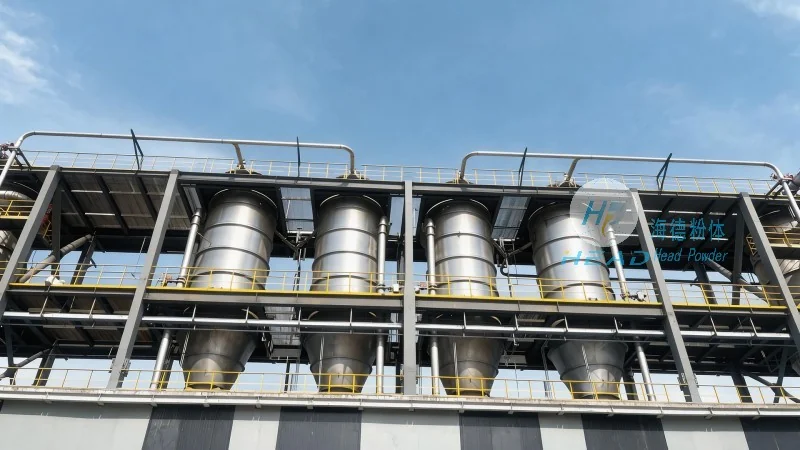
Compared to traditional bulk handling methods like belt conveyors or trucks, pneumatic conveying offers several advantages for bentonite transport. One of the most significant benefits is the ability to handle material in a closed system, reducing dust emissions and minimizing environmental impact. This is particularly important for bentonite, which can generate fine particles that are hazardous if released into the air. Additionally, pneumatic systems can transport bentonite over long distances with minimal maintenance, as they eliminate the need for moving parts in contact with the material. The closed-loop design also allows for better moisture control, which is crucial for maintaining the quality of bentonite, especially in applications where the material's rheological properties are critical.
Applications of Bentonite Pneumatic Conveying Systems
Bentonite pneumatic conveying systems are widely used in various industries where bentonite is a key raw material. In the drilling industry, for example, bentonite is used to create drilling mud, and pneumatic systems are employed to transport it from storage facilities to drilling sites. The construction industry also utilizes bentonite for soil stabilization and waterproofing applications, where the material needs to be delivered to job sites efficiently. Other applications include the paper industry, where bentonite is used as a filler or coating agent, and the pharmaceutical industry, where it serves as a thickening agent or excipient. In each of these applications, the pneumatic conveying system ensures that bentonite is delivered in a consistent, high-quality state, meeting the specific requirements of the end product.
HeadPowder Engineering: Expertise in Bentonite Pneumatic Conveying
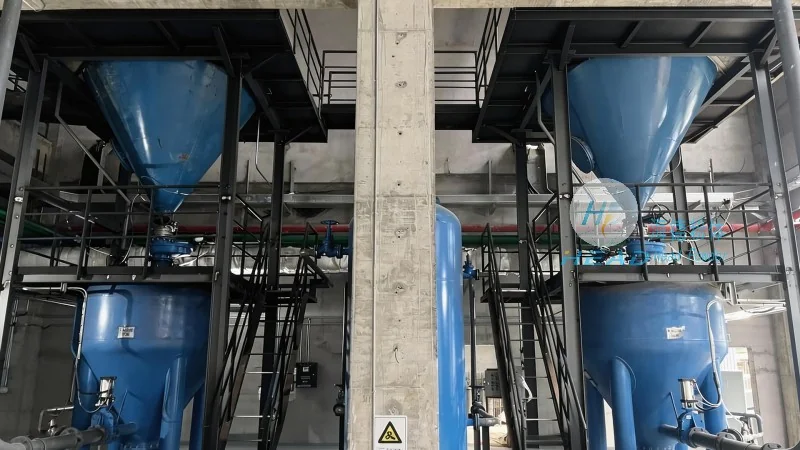
Shandong HeadPowder Engineering Co., Ltd., a leading manufacturer and supplier of bulk material handling solutions, specializes in designing and manufacturing bentonite pneumatic conveying systems tailored to the needs of various industries. With years of experience in the field, HeadPowder has developed a reputation for delivering high-quality, reliable systems that meet the most demanding operational requirements. The company's team of engineers and technicians works closely with clients to understand their specific needs, from material characteristics to site constraints, and designs systems that optimize performance and efficiency. HeadPowder's commitment to quality is evident in its use of advanced materials and manufacturing processes, ensuring that each system is built to last and perform as intended. The company's facilities in Shandong, China, are equipped with state-of-the-art equipment and quality control measures, allowing for the production of systems that comply with international standards and industry best practices.