

Analysis of Barite Pneumatic Conveying Systems
Barite, a mineral composed primarily of barium sulfate (BaSO₄), is widely used in various industrial applications such as oil drilling, chemical manufacturing, and pharmaceutical production. The efficient and reliable transport of barite powder is crucial for maintaining production efficiency and ensuring product quality. Pneumatic conveying systems have emerged as a preferred method for handling barite due to their ability to transport materials in a dust-free environment, reduce labor costs, and enhance safety in industrial settings. This article provides an in-depth analysis of barite pneumatic conveying systems, focusing on their design principles, operational advantages, and practical applications.
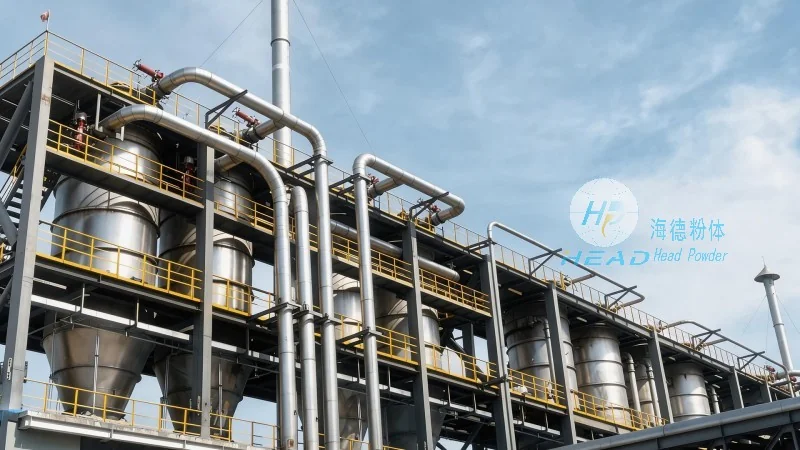
Company Overview: Shandong HeadPowder Engineering Co., Ltd.
HeadPowder, a leading engineering company based in Shandong, China, specializes in the design, manufacturing, and installation of advanced pneumatic conveying systems. With years of experience in the mineral processing industry, HeadPowder has developed a comprehensive range of solutions tailored to the unique requirements of barite handling. The company's commitment to innovation and quality has enabled it to serve clients across various sectors, including mining, chemicals, and construction. HeadPowder's team of engineers and technicians leverages cutting-edge technology and industry best practices to deliver customized pneumatic conveying systems that meet the highest standards of performance and reliability.
Key Components of Barite Pneumatic Conveying Systems
A typical barite pneumatic conveying system consists of several critical components that work in tandem to ensure efficient material transport. These components include the material hopper, feeder, air compressor, conveying line, and dust collector. The material hopper is designed to store and feed the barite powder into the system, while the feeder controls the flow rate to maintain consistent pressure and flow. The air compressor generates the necessary air pressure to move the material through the conveying line. The conveying line, often made of stainless steel or other corrosion-resistant materials, ensures the safe and efficient transport of barite particles. Finally, the dust collector removes any airborne particles, maintaining a clean and safe working environment.
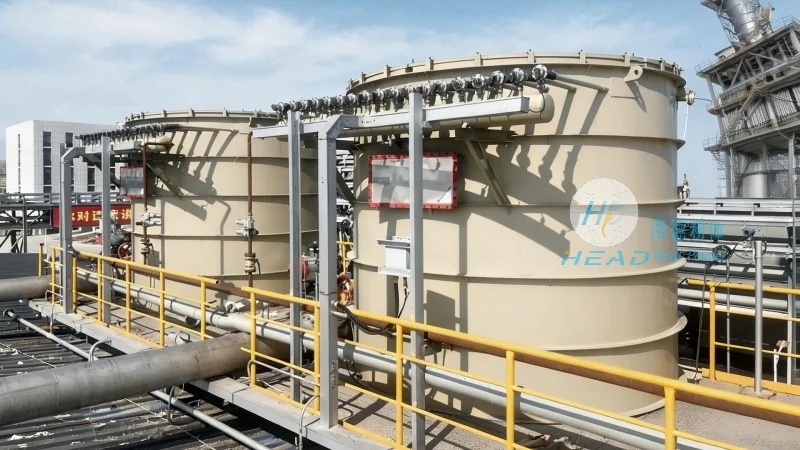
Advantages of Pneumatic Conveying for Barite Handling
Compared to traditional methods like belt conveyors or bucket elevators, pneumatic conveying offers several distinct advantages for barite handling. One of the primary benefits is the ability to transport materials in a closed system, which significantly reduces dust emissions and improves workplace safety. This is particularly important for barite, which can be a respiratory hazard if inhaled in large quantities. Additionally, pneumatic conveying systems are more flexible and adaptable to changes in production volume and material flow rates. They can handle both low and high flow rates without compromising performance, making them suitable for a wide range of applications. Another advantage is the reduced maintenance requirements compared to mechanical systems, as there are fewer moving parts and less wear and tear. This results in lower operational costs and increased system uptime.
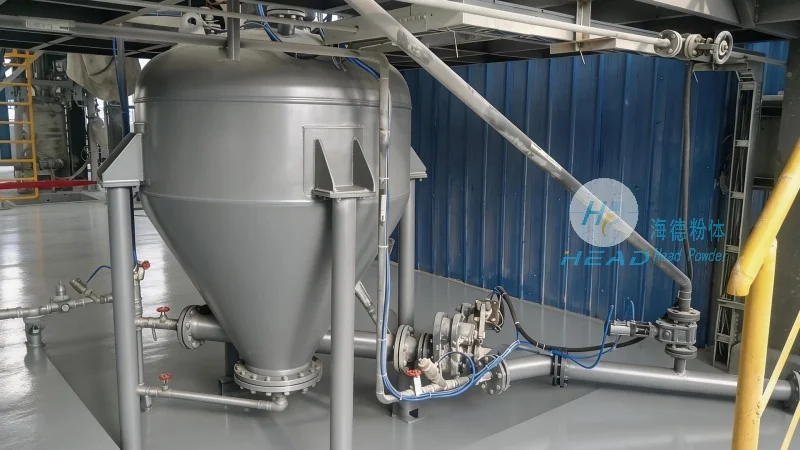
Design Considerations for Barite Pneumatic Conveying Systems
The design of a barite pneumatic conveying system requires careful consideration of several factors to ensure optimal performance and longevity. The first consideration is the material characteristics of barite, such as particle size, density, and moisture content. These factors influence the selection of the appropriate conveying line diameter, air pressure, and feeder type. For example, fine barite particles may require a smaller conveying line diameter and higher air pressure to prevent blockages. The system's layout is also critical, as the distance and elevation changes between the hopper and the discharge point affect the required air pressure and energy consumption. Engineers must also consider the environmental conditions, such as temperature and humidity, which can impact the material's flow properties and the system's performance. Additionally, the system's integration with existing facilities and the need for future expansion must be taken into account during the design phase.
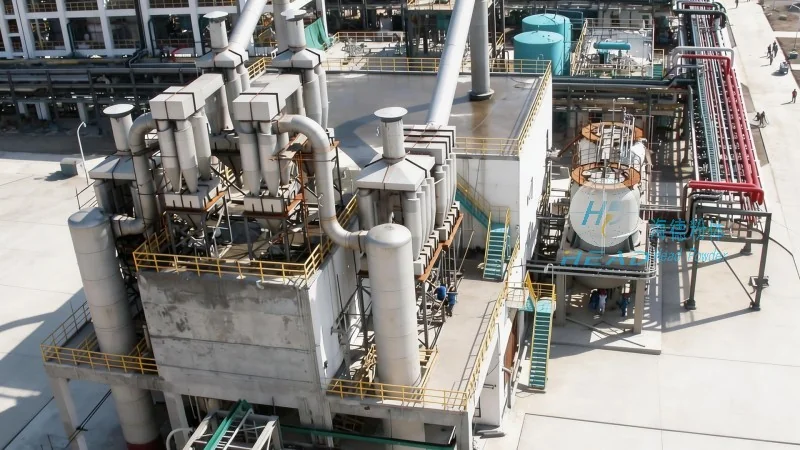
Operational Performance and Maintenance of Barite Pneumatic Conveying Systems
The operational performance of a barite pneumatic conveying system is directly related to its design and maintenance. Regular maintenance is essential to ensure the system operates efficiently and reliably. This includes checking and replacing air filters, inspecting the conveying line for blockages or wear, and maintaining the feeder and hopper components. Proper maintenance can extend the system's lifespan and reduce the risk of downtime. Operational performance metrics, such as material flow rate, pressure drop, and energy consumption, are used to monitor the system's efficiency. HeadPowder provides comprehensive maintenance services and technical support to its clients, ensuring that their pneumatic conveying systems operate at peak performance. By adhering to recommended maintenance schedules and using high-quality replacement parts, clients can maximize the system's productivity and minimize operational costs.
Applications of Barite Pneumatic Conveying Systems
Barite pneumatic conveying systems are widely used in various industries due to their versatility and efficiency. In the oil and gas industry, barite is used as a weighting agent in drilling fluids to increase the density of the fluid and prevent wellbore collapse. Pneumatic conveying systems are used to transport barite from storage facilities to the drilling site, ensuring a consistent supply of material. In the chemical industry, barite is used as a filler in paints, plastics, and rubber products. Pneumatic conveying systems help in the efficient transfer of barite powder from storage to processing equipment, maintaining product quality and reducing contamination. Additionally, in the pharmaceutical industry, barite is used as an inert filler in tablets and capsules. The use of pneumatic conveying systems ensures that the barite is handled in a sterile and dust-free environment, meeting the stringent quality standards required for pharmaceutical products.