

Introduction to Glass Slag Conveying Systems and the Advantages of Glass Slag Pneumatic Conveying
Glass slag, a byproduct of glass manufacturing processes, poses unique challenges in handling and transportation due to its abrasive nature and variable particle size. Conventional methods like belt conveyors or screw conveyors often struggle with the high wear rates and blockages caused by glass slag. To address these issues, specialized glass slag conveying systems have been developed, leveraging advanced pneumatic conveying technologies. These systems are designed to efficiently transport glass slag from collection points to processing or disposal facilities while minimizing operational downtime and equipment wear.
Key Components of Glass Slag Pneumatic Conveying Systems
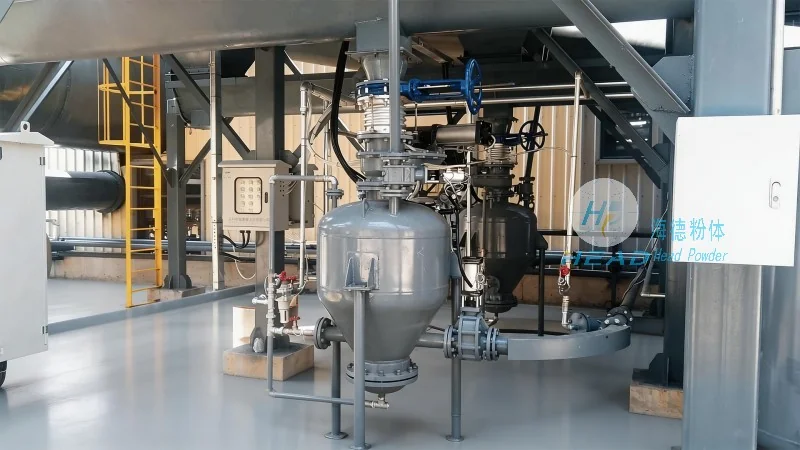
The core components of a glass slag pneumatic conveying system typically include a material hopper, a rotary airlock feeder, a conveying pipeline, a dust collector, and a discharge unit. The material hopper stores the glass slag, ensuring a consistent feed to the system. The rotary airlock feeder controls the flow of glass slag into the pipeline, preventing backflow and maintaining a steady material supply. The conveying pipeline, often made of corrosion-resistant materials like stainless steel or special alloys, transports the glass slag using compressed air. The dust collector captures fine particles and dust generated during the conveying process, ensuring compliance with environmental regulations and improving air quality. The discharge unit delivers the glass slag to the intended destination, such as a storage silo or a processing plant.
Advantages of Glass Slag Pneumatic Conveying
Pneumatic conveying offers several advantages over traditional mechanical conveying methods for glass slag. Firstly, it eliminates the need for moving parts in contact with the abrasive glass slag, significantly reducing wear and maintenance costs. The absence of mechanical components like belts or screws minimizes the risk of blockages and breakdowns, leading to higher system reliability and longer operational life. Secondly, pneumatic systems provide a flexible and scalable solution, allowing for easy expansion or reconfiguration as production needs change. This adaptability is particularly valuable in glass manufacturing facilities where production volumes may fluctuate. Thirdly, the enclosed pipeline design of pneumatic conveying systems prevents dust emissions and environmental contamination, making it a more environmentally friendly option compared to open-air conveying methods. Additionally, the system's ability to handle a wide range of particle sizes and moisture content makes it suitable for various glass slag compositions, ensuring consistent performance across different applications.
Operational Efficiency and Cost Benefits
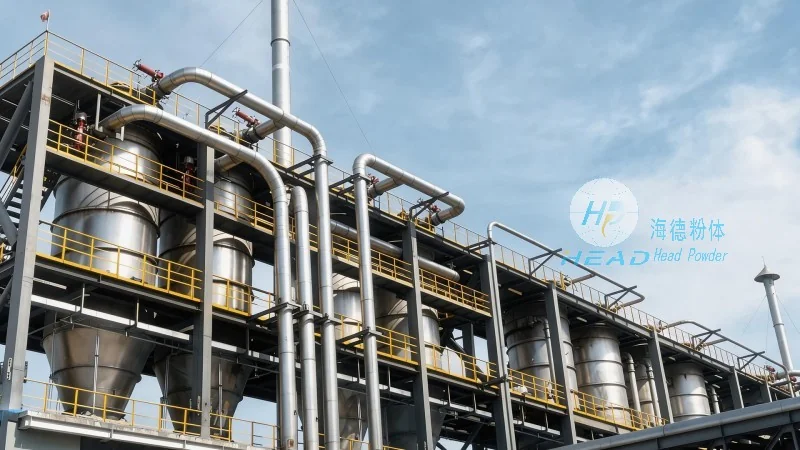
Implementing a glass slag pneumatic conveying system can lead to substantial operational efficiency gains and cost savings for glass manufacturers. By reducing equipment wear and maintenance requirements, the system lowers long-term operational costs. The elimination of blockages and downtime improves overall production throughput, allowing manufacturers to meet higher output demands without additional investments in equipment. Furthermore, the energy efficiency of modern pneumatic conveying systems, particularly those using high-efficiency blowers and optimized pipeline designs, contributes to lower energy consumption and reduced operational expenses. The ability to handle glass slag in bulk without the need for manual handling or intermediate storage also streamlines the material flow process, enhancing overall operational efficiency.
Environmental and Safety Considerations
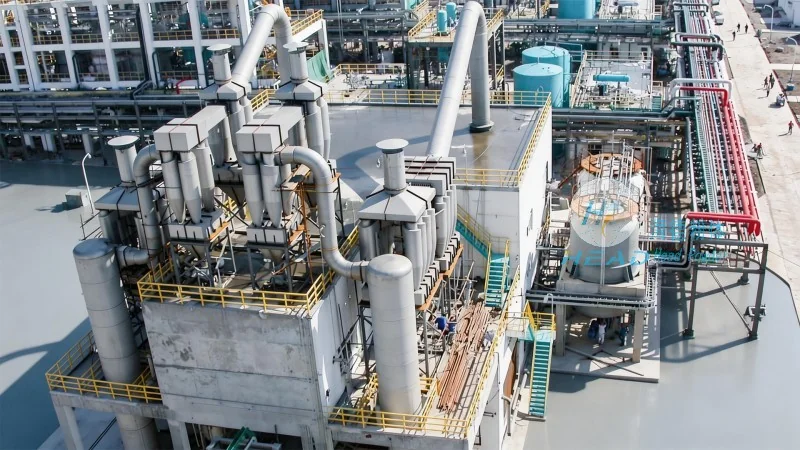
Environmental compliance is a critical factor in glass slag handling, and pneumatic conveying systems address this by minimizing dust emissions and ensuring proper waste management. The enclosed design of the conveying pipeline prevents the release of fine glass particles into the environment, reducing air pollution and health risks for workers. The dust collector integrated into the system captures any residual dust, ensuring that emissions are well within regulatory limits. From a safety perspective, pneumatic conveying systems eliminate the need for manual handling of heavy or abrasive glass slag, reducing the risk of workplace injuries. The enclosed system also protects workers from direct exposure to glass slag particles, improving workplace safety and reducing the likelihood of respiratory issues associated with fine dust inhalation.
Customization and Scalability
Shandong HeadPowder Engineering Co., Ltd., a leading provider of industrial conveying solutions, offers customized glass slag pneumatic conveying systems tailored to the specific needs of glass manufacturing facilities. The company's expertise in material handling and pneumatic technology allows for the design of systems that match the unique characteristics of each client's glass slag composition, production volume, and operational requirements. Whether for small-scale glass production or large industrial plants, HeadPowder provides scalable solutions that can be expanded or modified as production needs evolve. The company's commitment to quality and innovation ensures that their systems are built to withstand the harsh conditions of glass slag handling, providing reliable and long-lasting performance.