

Introduction to Fine Coal Powder Conveying Systems and the Advantages of Pneumatic Conveying for Fin
Shandong HeadPowder Engineering Co., Ltd. specializes in the design, manufacturing, and installation of advanced fine coal powder conveying systems. Based in Shandong, China, the company leverages decades of industry experience to deliver reliable solutions for the efficient transport of fine coal powders. This article provides an overview of fine coal powder conveying systems, highlighting the key components and the significant advantages of pneumatic conveying technology in this application.
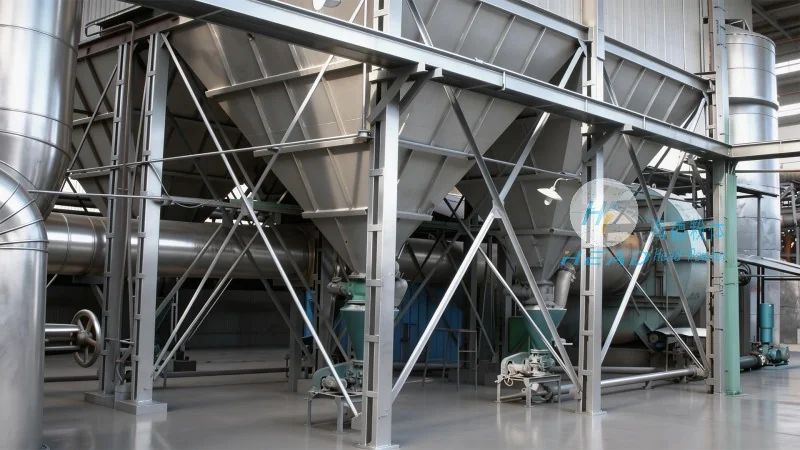
Overview of Fine Coal Powder Conveying Systems
Fine coal powder conveying systems are engineered to handle the transportation of coal powders with particle sizes typically ranging from 0.1 to 2 millimeters. These systems are critical in various industrial applications, including power generation, cement production, and chemical processing, where the consistent and safe movement of fine coal is essential for operational efficiency and environmental compliance. The core components of a typical fine coal powder conveying system include a material feeder, a conveying pipeline, a dust collector, and a control system. The material feeder ensures a steady flow of coal powder into the system, while the conveying pipeline transports the material under pressure or vacuum. The dust collector captures any airborne particles, maintaining air quality and preventing contamination. The control system monitors and regulates the entire process, ensuring optimal performance and safety.
Advantages of Pneumatic Conveying for Fine Coal Powder
Pneumatic conveying is widely recognized as the most effective method for transporting fine coal powders due to its numerous advantages over traditional mechanical conveying systems. One of the primary benefits is the ability to handle fine, abrasive materials without the need for complex and costly equipment. Unlike mechanical systems that rely on belts or buckets, pneumatic conveyors use air pressure or vacuum to move the material, reducing wear and tear on components and extending the system's lifespan. This results in lower maintenance costs and higher overall reliability. Additionally, pneumatic conveying systems offer superior flexibility in terms of layout and installation. They can be easily adapted to existing plant structures, allowing for the integration of conveying lines in tight spaces or around obstacles. This flexibility is particularly valuable in retrofitting older facilities or in new construction projects where space constraints are a factor.
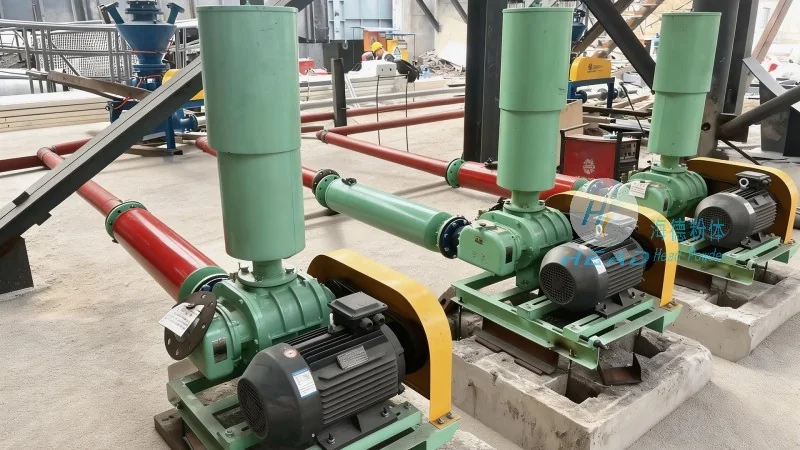
Key Technical Features and Performance Benefits
The performance of fine coal powder conveying systems is enhanced by several technical features that optimize material handling and system efficiency. One critical feature is the use of high-efficiency dust collectors, such as cartridge or bag filters, which capture fine particles and return them to the conveying line, minimizing material loss and improving overall system recovery rates. Another important aspect is the integration of advanced control systems that monitor pressure, flow rate, and temperature in real-time. These systems can automatically adjust parameters to maintain optimal conveying conditions, preventing blockages and ensuring consistent material delivery. Furthermore, modern pneumatic conveying systems employ high-quality materials, such as stainless steel or special alloys, to resist corrosion and abrasion from the fine coal particles. This not only improves durability but also ensures the system meets stringent environmental and safety standards.
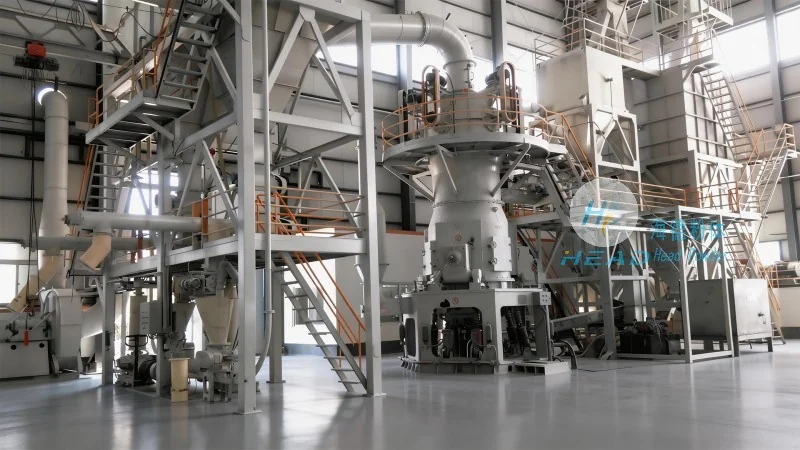
Applications and Industry Impact
Fine coal powder conveying systems, particularly those utilizing pneumatic technology, play a vital role in modern industrial operations. In power plants, for example, these systems enable the efficient delivery of coal to boilers, supporting consistent energy production and reducing downtime. In the cement industry, the reliable transport of coal powders is essential for maintaining the quality of clinker production, which directly impacts the final product's strength and durability. The chemical processing sector also benefits from these systems, as they facilitate the handling of coal-derived materials in various chemical reactions and processes. By improving the efficiency and safety of material handling, fine coal powder conveying systems contribute to cost savings, reduced environmental impact, and enhanced operational performance across multiple industries.
Conclusion
Shandong HeadPowder Engineering Co., Ltd. continues to innovate in the field of fine coal powder conveying systems, leveraging advanced pneumatic technology to meet the evolving needs of industrial applications. The company's commitment to quality, reliability, and customer satisfaction ensures that its systems deliver long-term value and performance. As industries increasingly prioritize efficiency and sustainability, the role of fine coal powder conveying systems will remain critical, and companies like HeadPowder are at the forefront of developing solutions that meet these demands. With a focus on technical excellence and practical application, HeadPowder's systems provide a reliable foundation for the safe and efficient transport of fine coal powders, supporting the continued growth and success of industrial operations worldwide.