

Working Principle and Classification Applications of Bean Powder Pneumatic Conveying
HeadPowder, a leading engineering firm based in Shandong, China, specializes in the design and implementation of advanced pneumatic conveying systems tailored for handling bean powders. This article provides a comprehensive overview of the fundamental principles behind pneumatic conveying technology and its various classification applications in industrial settings.
Understanding the Working Principle of Pneumatic Conveying for Bean Powders
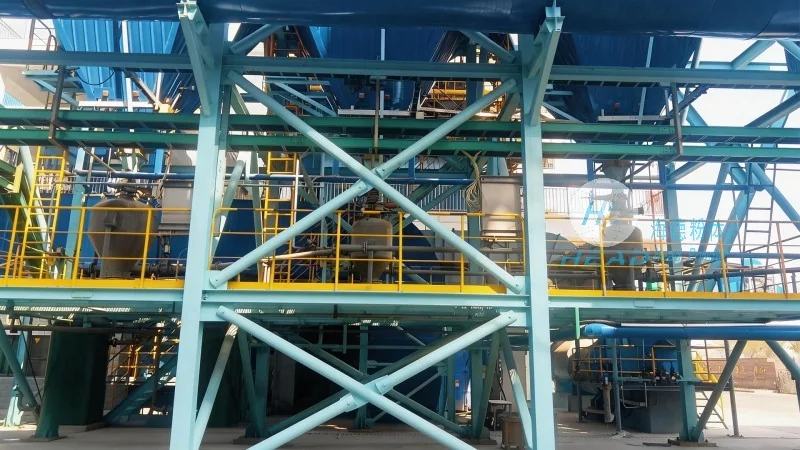
Pneumatic conveying is a method of transporting bulk materials, such as bean powders, through a pipeline using a gas stream, typically air or other gases. The core principle involves creating a pressure differential within the system to move the material from the source to the destination. There are two primary modes of pneumatic conveying: pressure and vacuum systems. In pressure systems, compressed air is introduced at the material inlet, generating a positive pressure that pushes the powder through the pipeline. Vacuum systems, on the other hand, use a vacuum pump to create a negative pressure at the outlet, drawing the material into the pipeline. For bean powders, which often have specific flow characteristics and particle size distributions, the choice of system depends on factors like material density, moisture content, and the distance and elevation changes required for transport.
The process typically begins with the material being fed into a hopper or feeder, where it is then introduced into the conveying line. The gas stream, controlled by a blower or compressor, moves the powder along the pipeline. Key components in a pneumatic conveying system include the feeder, the conveying line, the receiver (where the material is deposited), and the gas handling equipment. The efficiency of the system is influenced by the design of these components, particularly the feeder, which must ensure a consistent flow rate to maintain system stability and prevent blockages. The conveying line is usually made of materials resistant to corrosion and wear, such as stainless steel or plastic, to accommodate the abrasive nature of bean powders.

Classification of Pneumatic Conveying Systems for Bean Powder Applications
Based on the operating pressure and the method of material transport, pneumatic conveying systems for bean powders can be classified into several categories. The most common types include dilute-phase, dense-phase, and hybrid systems. Dilute-phase systems operate at relatively low pressure and high gas-to-solid ratios, where the material is suspended in the gas stream, similar to a cloud. This method is suitable for short distances and low to moderate material loads. Dense-phase systems, conversely, operate at higher pressures and lower gas-to-solid ratios, where the material is conveyed in a slurry-like state, with particles moving in a more compact form. This mode is ideal for longer distances, higher material loads, and applications requiring precise control over the material flow.
Another classification is based on the direction of material flow, with horizontal, vertical, and combined (both horizontal and vertical) systems. Horizontal systems are used when the material needs to be transported over short distances or across a facility, while vertical systems are employed for elevating the material to higher levels. Combined systems are versatile and can handle complex layouts, including both horizontal and vertical transport segments. For bean powders, the selection of a system classification is critical to ensure optimal performance, minimize material degradation, and maximize system efficiency.
Application Scenarios in Industrial Settings
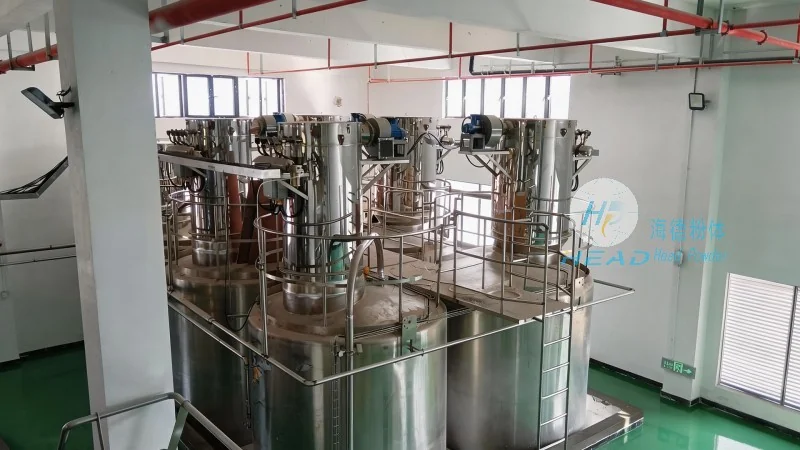
HeadPowder's pneumatic conveying solutions for bean powders are widely applied in various industrial processes. One primary application is in the food processing industry, where bean powders are used as ingredients in beverages, snacks, and other food products. The systems are designed to maintain the quality and integrity of the powder, preventing caking, agglomeration, or contamination during transport. Another application is in the chemical and pharmaceutical sectors, where bean powders may be used as raw materials or additives in manufacturing processes. Here, the systems must adhere to strict hygiene and safety standards to ensure compliance with industry regulations.
In agricultural and processing facilities, pneumatic conveying is used for the handling of bean powders from storage silos to processing equipment, such as mills or mixers. The systems help streamline the production line, reducing manual handling and improving operational efficiency. Additionally, in research and development settings, specialized pneumatic conveying systems are used for testing and analyzing bean powders, allowing for precise control over material flow rates and particle size distributions.
Key Considerations for System Design and Implementation
When designing a pneumatic conveying system for bean powders, several factors must be carefully considered to ensure optimal performance and longevity. Material properties, such as particle size, density, and moisture content, play a crucial role in determining the appropriate system type and operating parameters. For example, fine or highly abrasive bean powders may require more robust components, such as wear-resistant liners and high-efficiency filters, to prevent system degradation. The distance and elevation changes between the source and destination also impact the system design, as these factors influence the required pressure and energy consumption.
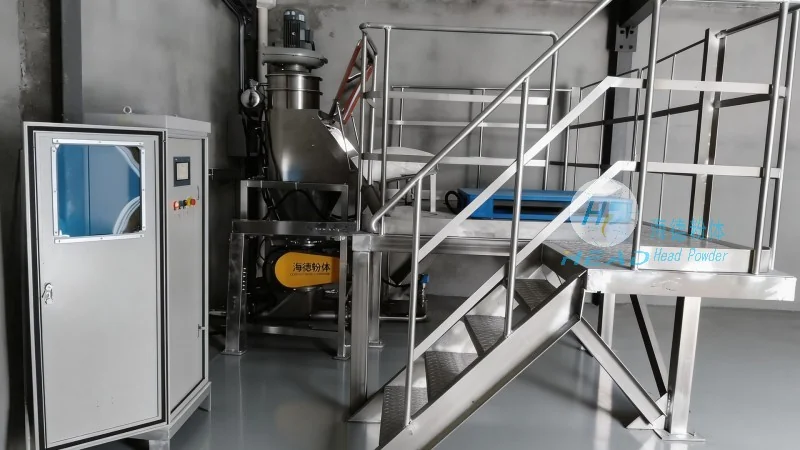
System maintenance and operational efficiency are also critical considerations. Regular cleaning and maintenance of the conveying line and gas handling equipment are necessary to prevent material buildup and ensure consistent performance. Additionally, the use of advanced control systems can help optimize the operation of the pneumatic conveying system, reducing energy consumption and improving material throughput. HeadPowder's expertise in customizing and implementing these systems ensures that clients receive solutions tailored to their specific needs and operational requirements.
Conclusion
Pneumatic conveying technology offers a versatile and efficient solution for transporting bean powders in various industrial applications. By understanding the working principles and classification of these systems, as well as the key considerations for design and implementation, industries can optimize their material handling processes. HeadPowder, with its extensive experience and expertise in engineering, continues to provide innovative solutions that enhance the efficiency and reliability of pneumatic conveying systems for bean powders, supporting the growth and success of its clients in the food, chemical, and agricultural sectors.