

Silica Sand Pneumatic Conveying: Working Principles and Classification Applications
Silica sand, a vital raw material in numerous industrial sectors, is frequently transported using pneumatic conveying systems. This method offers an efficient and reliable means of moving bulk materials, particularly in scenarios where traditional mechanical conveyors may be unsuitable. The process involves utilizing air or other gases to transport the material through a pipeline, ensuring a clean and dust-free operation. Understanding the working principles and classification of these systems is essential for selecting the appropriate equipment for specific industrial needs.
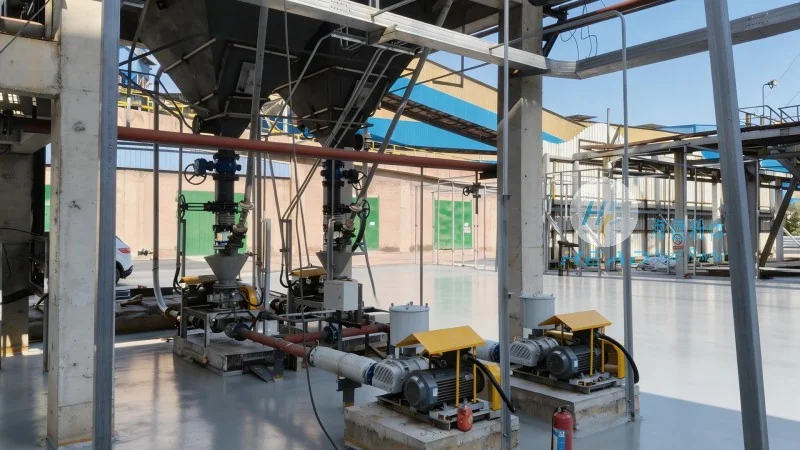
Working Principles of Pneumatic Conveying Systems
The core of pneumatic conveying systems lies in the interaction between the material being transported and the air or gas used as the conveying medium. The process typically begins with the material being fed into a hopper or feeder, where it is then introduced into a pipeline. The air, under pressure, moves through the pipeline, carrying the material along with it. There are two primary types of pneumatic conveying based on the pressure used: positive pressure and negative pressure systems.
Positive pressure systems operate by blowing air into the pipeline, pushing the material forward. This method is commonly used for short to medium distances and for materials that are not too abrasive. The air velocity must be sufficient to keep the material suspended and prevent it from settling in the pipe. On the other hand, negative pressure systems draw air out of the pipeline, creating a vacuum that pulls the material from the source. This approach is often used for longer distances and for materials that are more sensitive to pressure changes.
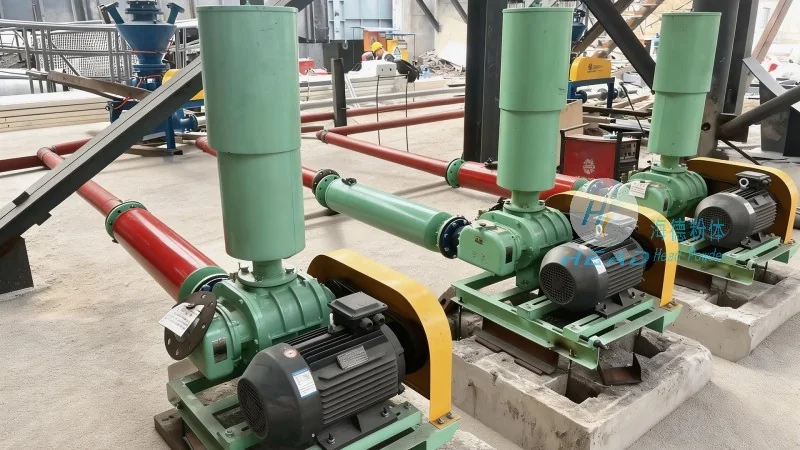
Classification of Pneumatic Conveying Systems
Pneumatic conveying systems for silica sand can be classified based on several factors, including the pressure used, the type of flow, and the application requirements. The most common classifications are dilute phase and dense phase systems.
Dilute phase systems are characterized by the material being carried in a relatively low concentration, typically with air velocities ranging from 20 to 100 meters per second. This method is suitable for short to medium transport distances and for materials that are light and non-abrasive. The material is kept in suspension by the high air velocity, ensuring smooth and continuous transport. Dense phase systems, in contrast, operate at lower air velocities and higher material concentrations. The material is conveyed in a more compact form, often in slugs or plugs, which reduces wear on the pipeline and equipment. This type of system is ideal for longer distances and for materials that are abrasive or have a high density.
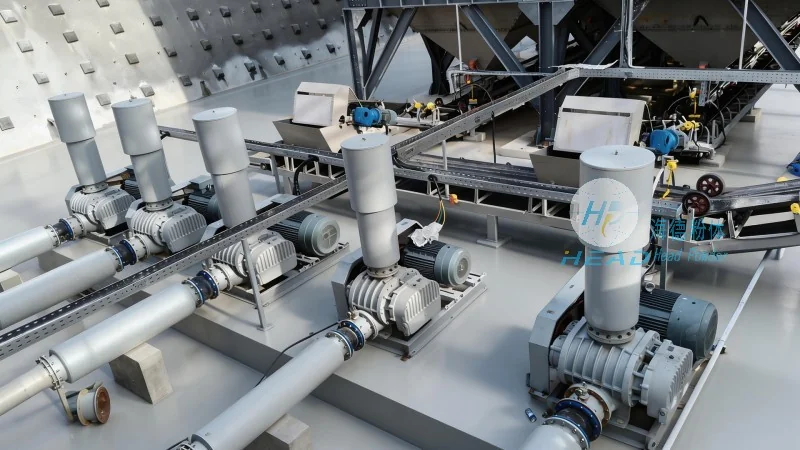
Applications of Pneumatic Conveying in Silica Sand Processing
The versatility of pneumatic conveying systems makes them suitable for a wide range of applications in silica sand processing. In mining operations, these systems are used to transport raw silica sand from the extraction site to processing facilities. The ability to handle large volumes of material efficiently reduces the time and cost associated with material handling. In manufacturing processes, such as glass production, the precise control of material flow is crucial. Pneumatic conveying ensures that the silica sand is delivered to the furnace at the correct rate and in the right condition, optimizing the production process.
In construction and foundry industries, the transport of silica sand is essential for casting and molding applications. The clean and dust-free operation of pneumatic systems minimizes contamination and improves the quality of the final products. Additionally, these systems can be integrated with other processing equipment, such as classifiers and dryers, to form a complete material handling system.
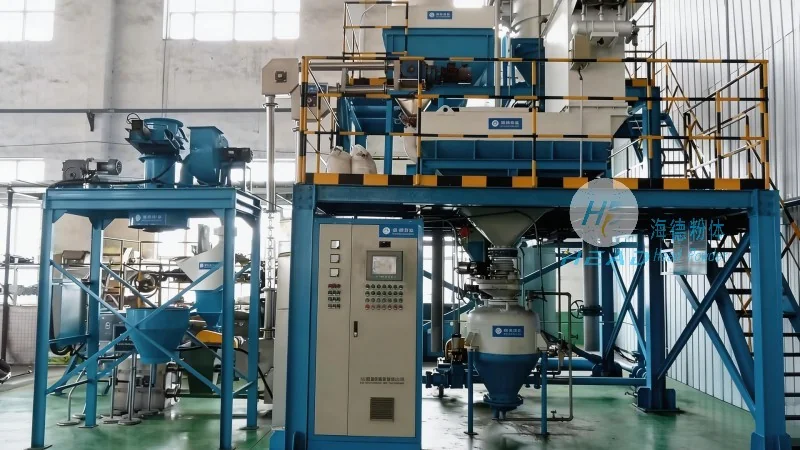
Factors to Consider When Selecting a Pneumatic Conveying System
When choosing a pneumatic conveying system for silica sand applications, several factors must be considered to ensure optimal performance and efficiency. The first factor is the distance and layout of the transport route. The type of system (positive or negative pressure) and the air velocity required will depend on the distance between the source and the destination. The second factor is the material characteristics, including particle size, density, and abrasiveness. These properties will influence the choice of system and the necessary equipment, such as hoppers, feeders, and pipelines. The third factor is the required flow rate and capacity. The system must be capable of handling the desired volume of material without causing blockages or excessive pressure drops. Finally, the cost and maintenance requirements of the system should be evaluated to ensure it is a cost-effective solution for the specific application.
About Shandong HeadPowder Engineering Co., Ltd.
Shandong HeadPowder Engineering Co., Ltd., operating under the brand name HeadPowder, specializes in the design and manufacturing of pneumatic conveying systems for bulk materials, including silica sand. HeadPowder is committed to providing high-quality, efficient solutions that meet the diverse needs of industrial clients. The company's headquarters is located in Shandong, China, where it has established a strong presence in the material handling industry. With years of experience and a team of skilled engineers, HeadPowder has become a leading provider of pneumatic conveying equipment, offering tailored solutions that enhance productivity and reduce operational costs for clients worldwide.