

Application and Optimization of Pneumatic Conveying Technology in Hay/Forage Material Transport Desi
HeadPowder, a leading engineering firm based in Shandong, China, specializes in advanced material handling solutions, particularly focusing on the application and optimization of pneumatic conveying technology for hay and forage material transport. This technology represents a critical advancement in agricultural and animal feed processing, offering efficient, hygienic, and cost-effective methods to move bulk materials over long distances or within complex layouts.

Understanding Pneumatic Conveying Technology for Hay and Forage
Pneumatic conveying systems utilize air pressure to transport dry bulk materials like hay, straw, and other forage products. Unlike traditional mechanical systems such as belt conveyors or screw conveyors, pneumatic conveyors can handle a wide range of particle sizes and moisture contents, making them ideal for agricultural applications. The core principle involves creating a flow of air through a pipeline, which draws or pushes the material along the path. This method minimizes material degradation, reduces contamination risks, and ensures consistent flow rates, all of which are essential for maintaining the quality of feed ingredients.
Key Advantages of Pneumatic Conveying in Forage Transport
Implementing pneumatic conveying technology in hay and forage transport offers several distinct advantages. First, it provides a hygienic and clean environment, as the material is enclosed within a sealed system, preventing exposure to dust, pests, or external contaminants. This is crucial for maintaining the nutritional value and safety of animal feed. Second, the system is highly flexible, allowing for easy integration into existing farm layouts or new construction projects. It can handle both horizontal and vertical transport, adapting to the spatial constraints of agricultural facilities. Third, pneumatic conveyors are energy-efficient compared to some mechanical alternatives, as they can use less power while achieving higher throughput rates. Additionally, the technology reduces labor costs by automating the material handling process, allowing farmers and feed producers to streamline their operations and focus on other critical tasks.
Optimizing Pneumatic Conveying Systems for Specific Applications
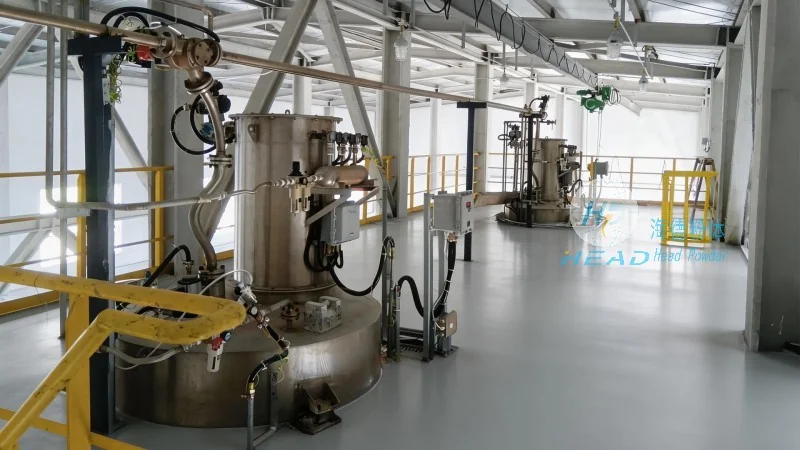
Optimizing pneumatic conveying systems requires careful consideration of several factors tailored to the specific needs of hay and forage transport. One key aspect is the selection of the appropriate air velocity and pressure. Too low a velocity may cause material deposition or blockages, while too high a velocity can lead to excessive energy consumption and wear on the system components. Engineers at HeadPowder conduct thorough analyses to determine the optimal air flow rates based on the material's characteristics, such as particle size, density, and moisture content. Another critical factor is the design of the pipeline system, including the use of appropriate fittings, bends, and expansion joints to minimize pressure losses and prevent material buildup. The choice of materials for the pipeline, such as stainless steel or food-grade plastic, also plays a vital role in ensuring durability and compliance with hygiene standards. Furthermore, the integration of control systems, such as variable frequency drives (VFDs) and sensors, allows for real-time monitoring and adjustment of the conveying process, enhancing efficiency and reducing downtime.
Case Studies and Real-World Applications
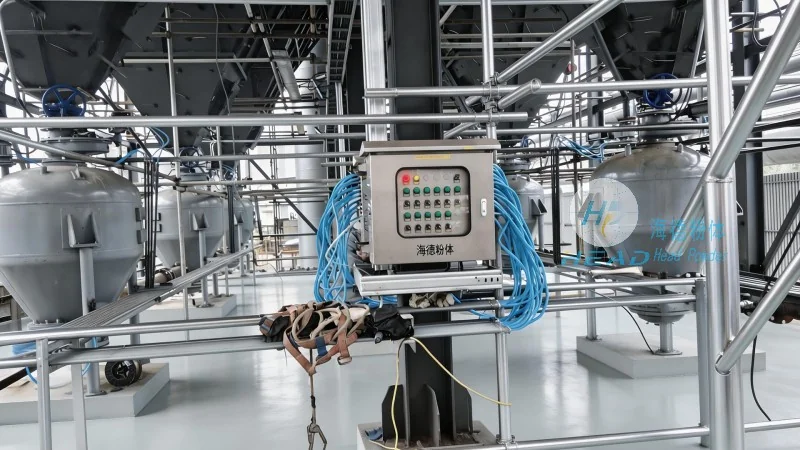
HeadPowder has successfully implemented pneumatic conveying solutions for numerous hay and forage transport projects across China. For instance, a large-scale dairy farm in Shandong adopted a pneumatic conveying system to move silage from storage silos to feeding stations. The system, designed by HeadPowder engineers, consisted of a series of horizontal and vertical pipelines, equipped with VFDs to regulate air flow. The result was a significant reduction in labor costs, as the manual handling of silage was eliminated, and the feed quality was maintained due to the enclosed system. Another project involved a feed mill that needed to transport dried forage from a processing line to storage silos. The HeadPowder team designed a custom system with a combination of positive and negative pressure conveying, ensuring efficient transport even with varying material conditions. These case studies highlight the versatility and effectiveness of pneumatic conveying technology in real-world agricultural settings.
Conclusion and Future Directions
As the demand for efficient and sustainable agricultural practices grows, the application and optimization of pneumatic conveying technology in hay and forage transport will continue to be a key focus for industries like animal feed production and farming. Companies like Shandong HeadPowder Engineering Co., Ltd. play a vital role in developing and implementing these advanced systems, ensuring that farmers and feed producers can meet the needs of modern agriculture while maintaining high standards of quality and efficiency. By leveraging the expertise in material handling engineering, HeadPowder continues to provide tailored solutions that enhance the performance of hay and forage transport processes, contributing to the overall productivity and profitability of agricultural operations.