

Efficient and Clean Solution for Refractory Material Handling: A Detailed Explanation of Pneumatic C
For industries dealing with refractory materials, optimizing material handling processes is crucial for enhancing operational efficiency and maintaining a clean working environment. Traditional methods such as belt conveyors or bucket elevators often face challenges like material degradation, dust generation, and limited flexibility. Pneumatic conveying technology emerges as a superior alternative, offering a clean, efficient, and versatile solution for transporting refractory powders and bulk materials. This article delves into the principles, benefits, and practical applications of pneumatic conveying systems, highlighting how they can revolutionize refractory material handling in industrial settings.
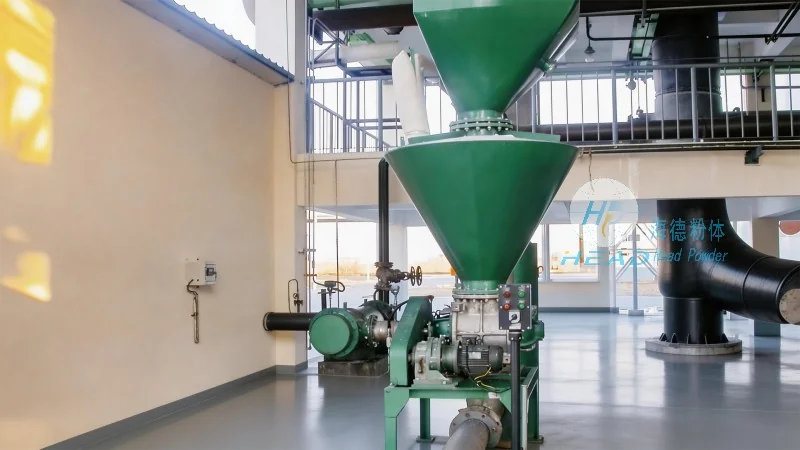
HeadPowder: Leading the Way in Pneumatic Conveying Solutions for Refractory Industries
Shandong HeadPowder Engineering Co., Ltd., a prominent player in the engineering sector, specializes in developing and implementing advanced pneumatic conveying systems tailored for refractory material applications. With a strong commitment to innovation and customer satisfaction, HeadPowder leverages decades of industry experience to design customized solutions that meet the unique demands of refractory manufacturers. The company’s headquarters is located in Shandong, China, where it maintains a state-of-the-art research and development facility dedicated to advancing material handling technologies. By focusing on the specific challenges faced by refractory producers, HeadPowder ensures that its systems deliver optimal performance, reliability, and cost-effectiveness.
How Pneumatic Conveying Systems Work: The Core Technology
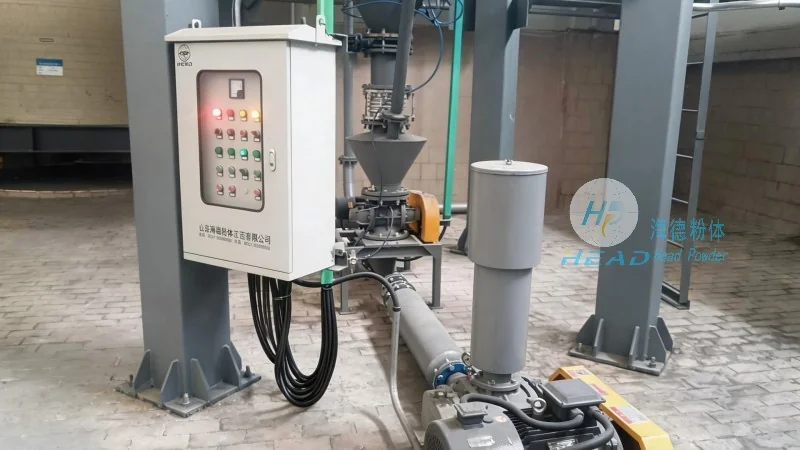
Pneumatic conveying systems utilize compressed air or other gases to transport bulk materials through a network of pipes. The process involves several key components, including a hopper for material storage, a feeder to control the flow rate, a conveying line, and a receiver for material discharge. There are two primary types of pneumatic conveying systems: pressure and vacuum. Pressure systems use compressed air to push material through the pipeline, while vacuum systems create a negative pressure to draw material from the source. For refractory materials, which are often abrasive and sensitive to moisture, pressure systems are commonly preferred due to their ability to maintain high material velocities and minimize particle degradation. The system operates by feeding the refractory material into the hopper, where it is then drawn into the conveying line by the moving air stream. The air and material mixture travels through the pipeline, with the material being separated from the air at the receiver end through a cyclone or other separation device. This separation process ensures that the material is delivered in a dry, clean state, ready for further processing or storage.
Key Advantages of Pneumatic Conveying for Refractory Material Handling
Implementing pneumatic conveying systems for refractory material handling offers numerous advantages that directly impact operational efficiency and product quality. One of the most significant benefits is the reduction in dust and contamination, which is critical for maintaining a safe and healthy working environment. Unlike traditional methods that generate large amounts of dust, pneumatic systems enclose the material in a sealed pipeline, preventing dust from escaping into the workplace. This not only improves air quality but also reduces the risk of respiratory issues among workers. Additionally, pneumatic conveying systems provide greater flexibility in material transport, allowing for horizontal, vertical, or even complex multi-directional routes. This flexibility enables manufacturers to optimize their plant layout and integrate material handling seamlessly with other production processes. Another key advantage is the ability to handle a wide range of refractory materials, including powders, granules, and even larger chunks, with minimal degradation. The high velocity of the air stream ensures that particles are transported efficiently without causing breakage or agglomeration, preserving the material's integrity throughout the process. Furthermore, pneumatic systems offer improved control over material flow, allowing for precise dosing and consistent delivery to downstream processes. This level of control is essential for maintaining product quality and reducing waste in refractory production.
Real-World Applications and Performance Metrics
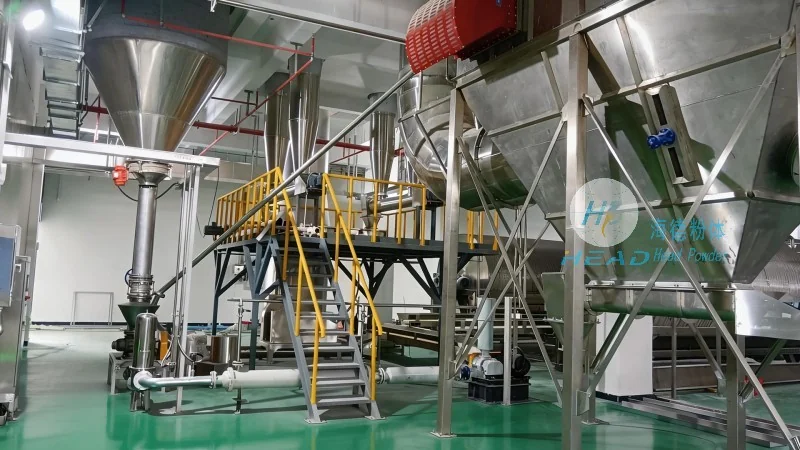
HeadPowder has successfully implemented pneumatic conveying systems in various refractory manufacturing facilities across China. These systems have demonstrated consistent performance in handling materials such as alumina, silica, and other refractory compounds. For instance, a client in the refractory brick production industry reported a 30% increase in production efficiency after upgrading to a pneumatic conveying system from HeadPowder. The system's ability to handle high volumes of material with minimal downtime and maintenance contributed significantly to this improvement. Another notable case involved a refractory powder supplier that reduced material handling costs by 20% by replacing traditional bucket elevators with a pneumatic conveying system. The system's energy efficiency and reduced labor requirements were key factors in achieving this cost savings. Performance metrics from these applications consistently show that pneumatic conveying systems can achieve material transport rates of up to 100 tons per hour, with minimal material loss and high separation efficiency. The systems also exhibit low maintenance requirements, with most components designed for durability and easy replacement, ensuring long-term reliability and operational continuity.
Conclusion: The Future of Refractory Material Handling with Pneumatic Conveying
As the refractory industry continues to evolve, the demand for efficient and clean material handling solutions remains high. Pneumatic conveying technology, with its proven advantages in handling refractory materials, is increasingly becoming the preferred choice for manufacturers seeking to enhance productivity and maintain quality standards. HeadPowder Engineering Co., Ltd., with its expertise and commitment to innovation, plays a vital role in providing tailored pneumatic conveying solutions that meet the specific needs of refractory producers. By leveraging advanced engineering and customer-focused design, HeadPowder ensures that its systems deliver optimal performance, reliability, and cost-effectiveness, helping refractory manufacturers achieve their operational goals. The adoption of pneumatic conveying systems not only improves the efficiency of material handling processes but also contributes to a safer and more sustainable working environment. As the industry moves forward, the integration of such advanced technologies will be essential for staying competitive and meeting the evolving demands of the market.