

Preventing Dust Leakage in Pneumatic Conveying Systems for Potassium Chloride Transport
When it comes to transporting bulk materials like potassium chloride, selecting the right equipment is crucial for efficiency and safety. Pneumatic conveying systems offer a reliable solution, but managing dust leakage during operation requires careful consideration. This article explores effective strategies to prevent dust leakage in such systems, ensuring optimal performance and compliance with safety standards.
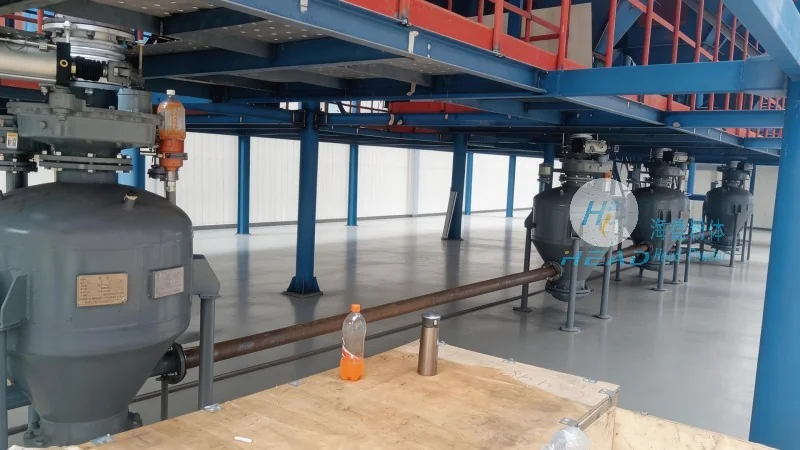
Understanding the Challenges of Potassium Chloride Conveyance
Potassium chloride is a hygroscopic and fine-grained material, making it prone to generating dust during handling. Traditional methods may lead to environmental contamination and health risks for operators. Pneumatic conveying systems, while efficient, can exacerbate these issues if not properly designed and maintained. The key lies in integrating advanced technologies and best practices to mitigate dust leakage effectively.

Key Components of Effective Pneumatic Conveying Systems for Potassium Chloride
HeadPowder Engineering Co., Ltd. specializes in designing and manufacturing pneumatic conveying solutions tailored to the unique properties of potassium chloride. Our systems incorporate several critical components to prevent dust leakage:
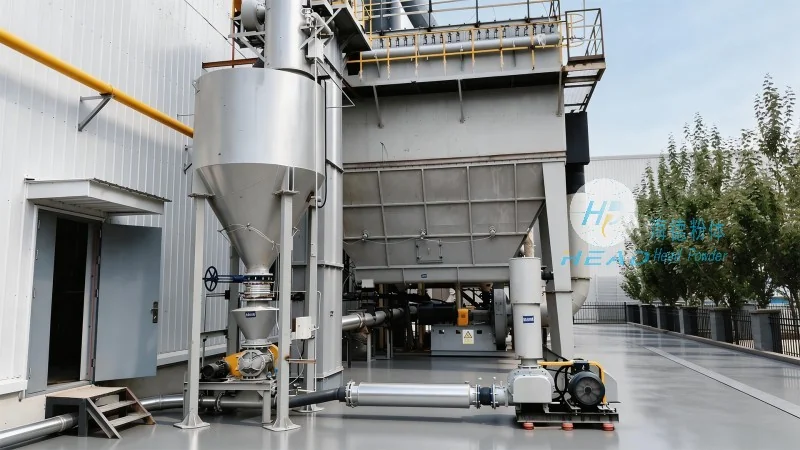
- Sealed Hopper and Storage: Properly sealed hoppers and storage silos minimize material exposure to air, reducing dust generation at the source.
- Advanced Air Locks and Valves: High-quality air locks and control valves ensure smooth material transfer while maintaining airtight seals, preventing backflow and dust escape.
- Filter Systems and Dust Collection: Integrated dust collection and filtration units capture airborne particles, ensuring clean air discharge and compliance with environmental regulations.
- Material Handling and Conditioning: Conditioning the material before transport, such as using agitators or pre-drying, can improve flowability and reduce dust formation during conveying.
Preventive Measures and Best Practices
Implementing the following measures can significantly reduce dust leakage in pneumatic conveying systems for potassium chloride:
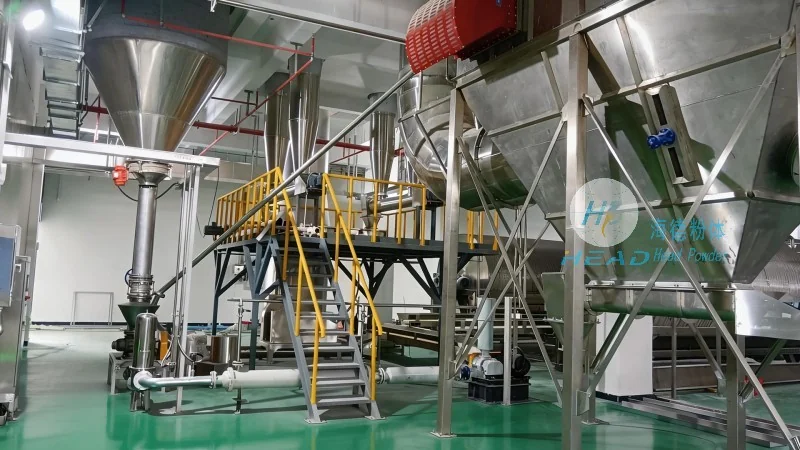
- Regular Maintenance and Inspection: Routine checks of seals, valves, and filter systems are essential to identify and address potential leaks promptly.
- Proper System Sizing and Design: Ensuring the system is appropriately sized for the material flow rate and pressure requirements prevents overloading and excessive dust generation.
- Use of Anti-Static Materials: Potassium chloride can be electrostatically charged during handling, which may cause dust to accumulate and potentially ignite. Incorporating anti-static components in the system helps mitigate this risk.
- Environmental Controls: Implementing local exhaust ventilation and dust suppression systems in the conveying area further reduces airborne dust levels and protects the working environment.
Conclusion and Recommendations
Preventing dust leakage in pneumatic conveying systems for potassium chloride is a multifaceted challenge that requires a combination of advanced technology, proper design, and diligent maintenance. By leveraging the expertise of companies like Shandong HeadPowder Engineering Co., Ltd., and adhering to industry best practices, operators can achieve efficient, safe, and environmentally compliant material handling. Investing in robust pneumatic conveying solutions not only enhances operational efficiency but also ensures long-term sustainability in the handling of potassium chloride.