

Organic Salt Transport: Positive vs. Negative Pressure - How to Differentiate
When it comes to transporting organic salts, selecting the right pressure system is crucial for efficiency, safety, and operational reliability. The choice between positive pressure and negative pressure transport methods significantly impacts the handling of these materials, which often require specialized equipment and processes. Understanding the distinctions between these two approaches is essential for industries dealing with organic salts, such as chemical manufacturing, pharmaceuticals, and food processing.
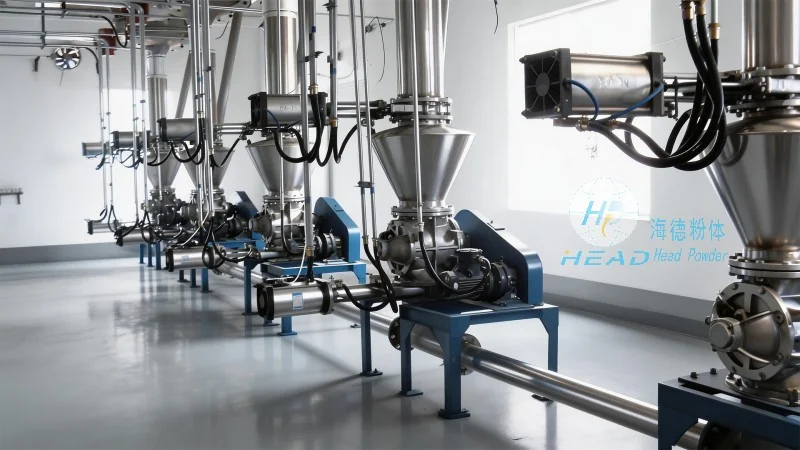
Understanding Positive Pressure Transport for Organic Salts
Positive pressure transport involves using a pressurized system to push the organic salt through pipelines or containers. This method is particularly effective for materials that are viscous, have high solid content, or are prone to caking. The pressurized environment ensures that the material moves consistently without blockages, which can occur in gravity-fed systems. For example, in the chemical industry, positive pressure systems are commonly used for transporting sodium carbonate or potassium nitrate, where maintaining a steady flow is critical to production continuity.
One of the key advantages of positive pressure transport is its ability to handle abrasive or corrosive organic salts. The pressurized pumps and pipelines can be designed to withstand the chemical properties of these materials, reducing wear and tear over time. Additionally, positive pressure systems allow for precise control over flow rates, which is vital for processes that require exact dosing, such as in pharmaceutical manufacturing. This level of control minimizes product loss and ensures compliance with quality standards.
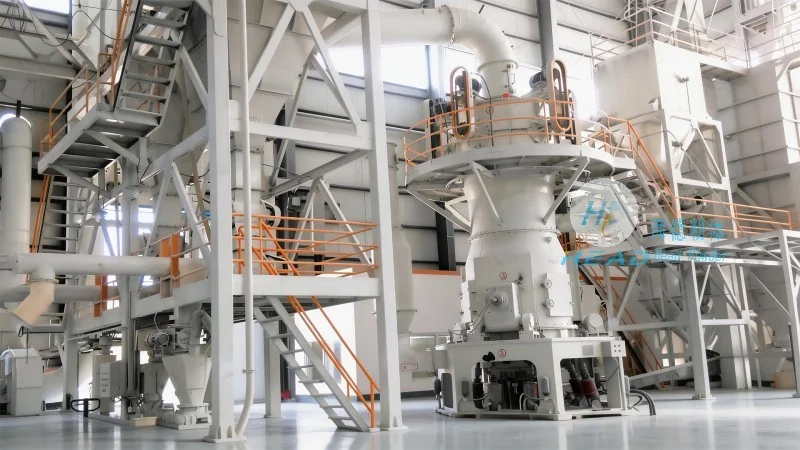
Differentiating Negative Pressure Transport for Organic Salts
Negative pressure transport, also known as suction or vacuum systems, relies on creating a vacuum to draw the organic salt into the transport system. This method is often used for materials that are light, have low density, or are sensitive to pressure changes. The vacuum created in the system pulls the material through the pipelines, eliminating the need for mechanical pumps in some cases. For instance, in food processing, negative pressure systems may be employed to transport organic salts like citric acid or amino acids, where maintaining product integrity is paramount.
A major benefit of negative pressure transport is its gentler handling of delicate organic salts. The absence of high pressure reduces the risk of particle breakage or degradation, which can affect the quality of the final product. This is especially important in the pharmaceutical and food industries, where product purity is a top priority. Furthermore, negative pressure systems are generally more energy-efficient compared to their positive pressure counterparts, as they do not require powerful pumps to force the material through the system.
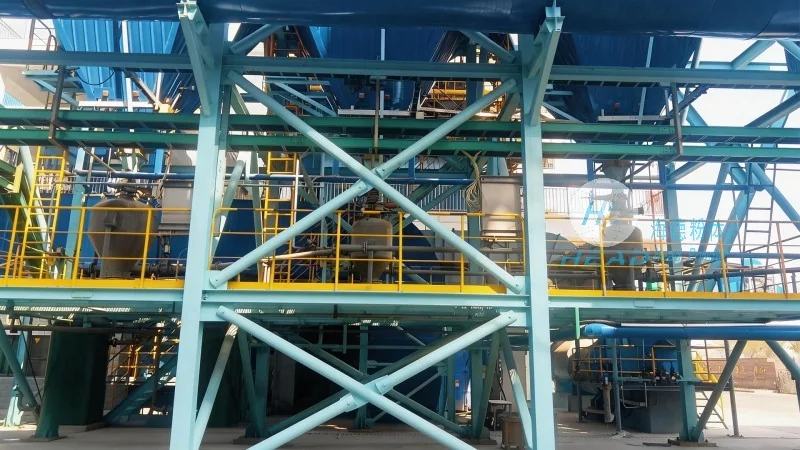
Key Factors to Consider When Choosing Between Pressure Systems
Deciding whether to use positive or negative pressure transport for organic salts depends on several factors, including the physical properties of the material, the distance of transport, and the required flow rate. The viscosity and solid content of the organic salt are primary considerations. Highly viscous or high-solids materials are better suited for positive pressure systems, as they require external force to move. Conversely, low-density or light materials are more compatible with negative pressure systems, which rely on suction to draw the material.
The distance of transport also plays a role. For short distances, both systems can be effective, but for longer pipelines, positive pressure systems may be more reliable due to the potential for pressure loss in vacuum systems. Additionally, the scale of operation and the need for automation influence the choice. Larger industrial facilities often opt for positive pressure systems for their robustness and ability to integrate with automated control systems, while smaller operations might find negative pressure systems more cost-effective for their lower energy consumption.
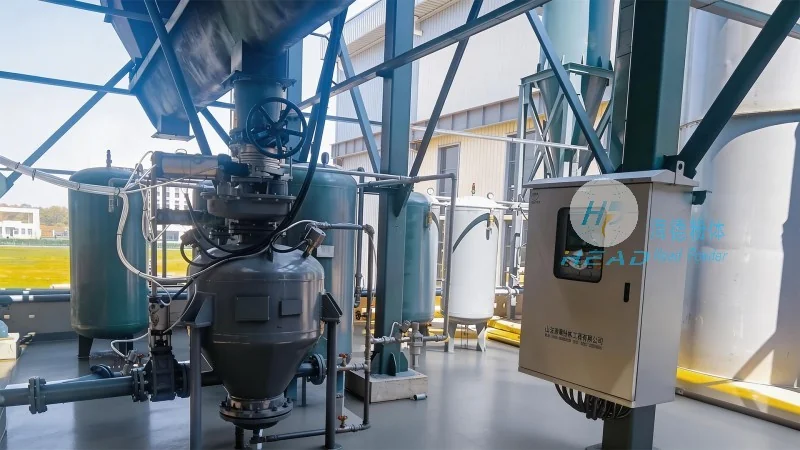
Company Profile: Shandong HeadPowder Engineering Co., Ltd.
Shandong HeadPowder Engineering Co., Ltd., commonly known as HeadPowder, is a leading provider of specialized transport solutions for organic salts. With a focus on innovation and customer-centric design, HeadPowder offers tailored pressure systems that meet the unique needs of various industries. The company’s headquarters is located in Shandong, China, where it leverages advanced engineering expertise to develop high-quality equipment for organic salt handling.
HeadPowder’s team of engineers and technicians work closely with clients to assess their specific requirements, ensuring that the chosen transport system optimizes efficiency and safety. The company’s products are designed to withstand the challenging conditions of organic salt transport, including corrosion, abrasion, and temperature variations. By combining technical knowledge with practical experience, HeadPowder delivers reliable solutions that enhance operational performance and reduce downtime for its clients.