

Clay Sand Conveying: Choosing Positive Pressure or Negative Pressure? How to Distinguish?
When it comes to transporting clay sand in industrial settings, the choice between positive pressure and negative pressure conveying systems is a critical decision that impacts efficiency, cost, and operational safety. Both methods have their unique advantages and are suited to different applications. Understanding the fundamental differences and key characteristics of each approach is essential for selecting the most appropriate system for your specific needs.
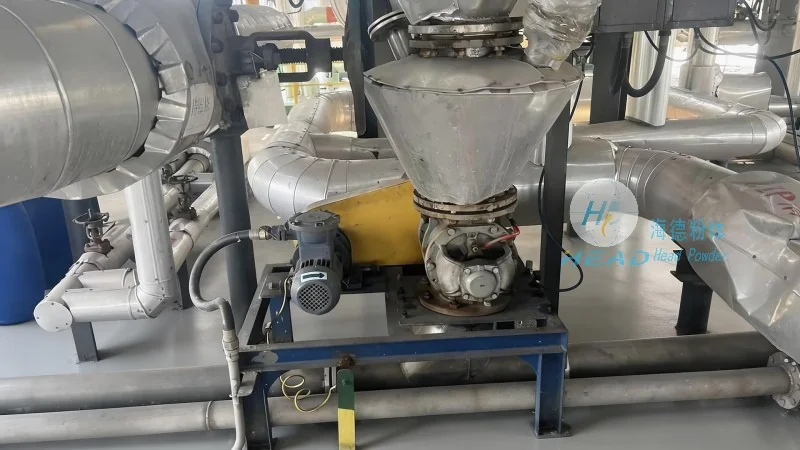
Introduction to Clay Sand Conveying Methods
Clay sand, a common material in foundry and construction industries, requires specialized handling due to its abrasive nature and tendency to clog or block conventional conveying equipment. Conveying systems are designed to move this material from storage to processing points without excessive wear or operational issues. The two primary methods—positive pressure and negative pressure—differ in how they generate the force to move the material through the system.
Understanding Positive Pressure Conveying
Positive pressure conveying systems operate by forcing air or gas through the conveying line, creating a pressure higher than the ambient air pressure. This method is often referred to as "blowing" the material. The system typically uses a positive displacement blower or compressor to generate the necessary pressure. The primary advantage of positive pressure is its ability to handle abrasive and sticky materials like clay sand effectively, as the high-pressure air helps to break up agglomerates and maintain flow. However, it may require more maintenance due to the higher stress on components and can be less energy-efficient compared to negative pressure systems.
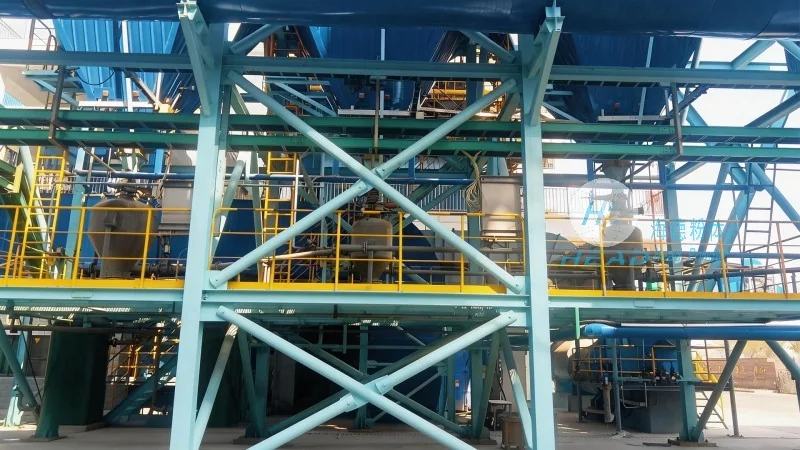
Understanding Negative Pressure Conveying
Negative pressure conveying, also known as "suction" or "vacuum" conveying, works by creating a vacuum in the conveying line, which draws the material into the system. This method uses a vacuum pump to reduce the pressure inside the line below ambient levels. The key benefits of negative pressure include lower energy consumption and reduced wear on components, as the system relies on the natural movement of air rather than forcing it. However, it may struggle with very fine or sticky materials, as the vacuum can be insufficient to maintain consistent flow. Additionally, the system may require more space for the vacuum pump and ductwork.
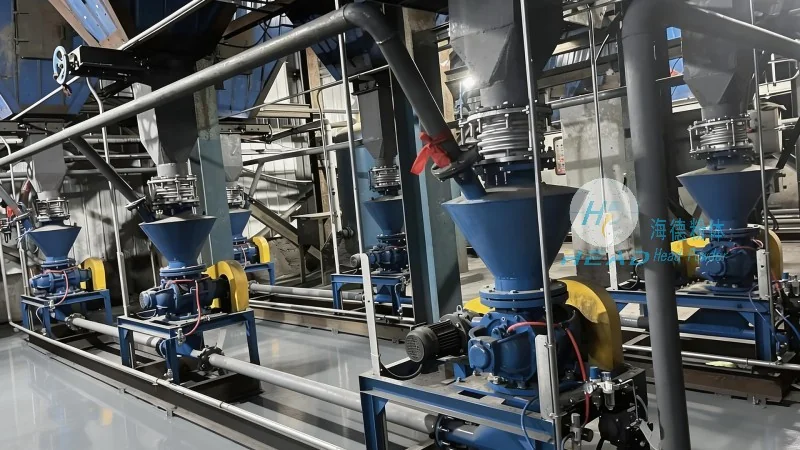
Key Factors to Distinguish Between the Two Methods
Several factors should be considered when deciding between positive and negative pressure conveying for clay sand applications. The first is the material characteristics: positive pressure is generally better suited for abrasive or sticky materials that require high air pressure to maintain flow, while negative pressure is more effective for lighter, less abrasive materials. The second factor is the system length and layout: longer conveying distances may benefit from positive pressure due to its ability to maintain pressure over greater distances, whereas shorter distances or enclosed systems may work well with negative pressure. Thirdly, operational costs and maintenance: negative pressure systems often have lower energy costs and maintenance requirements, making them more economical for smaller or medium-scale operations. Conversely, positive pressure systems may be more suitable for large-scale industrial applications where high throughput is required.
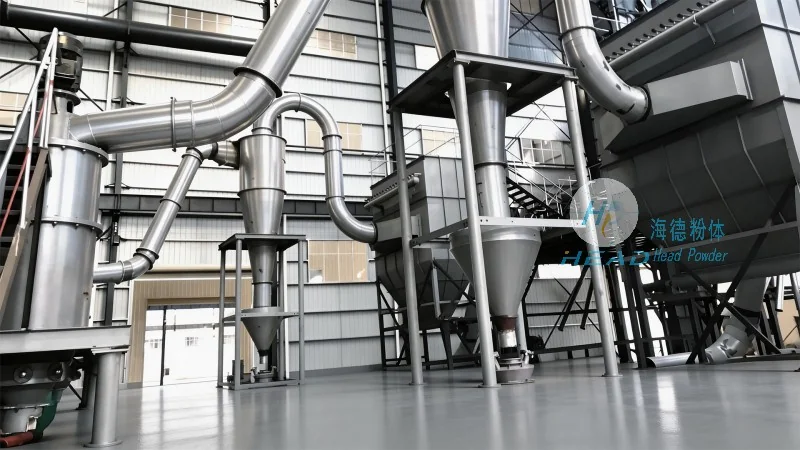
Application Scenarios and Practical Considerations
In practice, the choice between positive and negative pressure conveying for clay sand often depends on the specific application. For example, in foundry operations where large volumes of clay sand need to be moved over long distances, a positive pressure system may be preferred due to its ability to handle high volumes and maintain consistent flow. On the other hand, in smaller-scale construction projects or material handling where space is limited and energy efficiency is a priority, a negative pressure system might be more appropriate. It is also important to consider the impact on the environment and safety: positive pressure systems may require additional filtration to prevent dust emissions, while negative pressure systems can help contain dust within the system, reducing exposure risks.
Conclusion and Company Information
Choosing between positive and negative pressure conveying for clay sand requires a careful evaluation of material properties, system requirements, and operational constraints. By understanding the fundamental differences and key factors influencing each method, industrial operators can select the most effective and efficient conveying solution. Shandong HeadPowder Engineering Co., Ltd., a leading provider of material handling solutions, specializes in designing and manufacturing custom conveying systems tailored to the unique needs of clients. With decades of experience in the industry, HeadPowder offers expert guidance and high-quality equipment to ensure optimal performance and reliability in clay sand transportation. Based in Shandong, China, the company serves a wide range of industries, including foundries, construction, and manufacturing, providing comprehensive solutions that enhance productivity and reduce operational costs.