

Fertilizer Granule Conveying: Choosing Positive Pressure vs. Negative Pressure - How to Distinguish?
When it comes to transporting fertilizer granules efficiently and safely, selecting the right conveying system is crucial. Two primary methods stand out in the industry: positive pressure conveying and negative pressure conveying. Understanding the differences between these systems and how to distinguish them is essential for optimizing operations in agricultural and industrial settings. This article explores the key aspects of both positive and negative pressure systems, providing insights into their applications and distinguishing features.
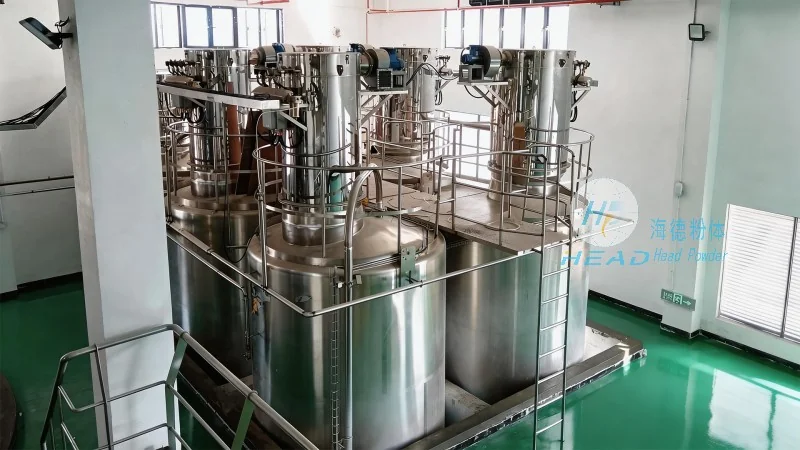
Understanding Positive Pressure Conveying for Fertilizer Granules
Positive pressure conveying systems operate by blowing air or gas into the conveying line, creating a pressure higher than the ambient air. This method is commonly used for transporting dry, free-flowing materials like fertilizer granules. The primary advantage of positive pressure systems is their ability to handle abrasive or sticky materials without causing excessive wear on the equipment. They are also effective in conveying materials over long distances and through complex layouts, as the positive pressure ensures consistent material flow. In fertilizer granule applications, positive pressure systems are often preferred for their reliability and ability to maintain a consistent flow rate, which is critical for maintaining production efficiency.
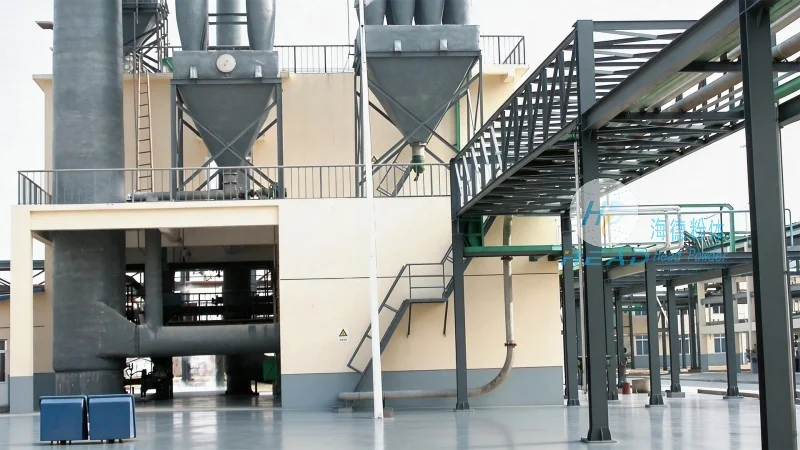
Exploring Negative Pressure Conveying for Fertilizer Granules
Negative pressure conveying, also known as vacuum conveying, works by creating a vacuum in the conveying line, drawing material from the source into the system. This method is typically used for materials that are light, dusty, or require gentle handling to prevent degradation. Negative pressure systems are particularly suitable for conveying fine powders or granules that are prone to caking or agglomeration. The key benefit of negative pressure conveying is its ability to handle materials with lower bulk density, as the vacuum pulls the material through the line. However, these systems may be less efficient for long-distance or high-volume conveying compared to positive pressure systems, as the vacuum strength can diminish over distance.
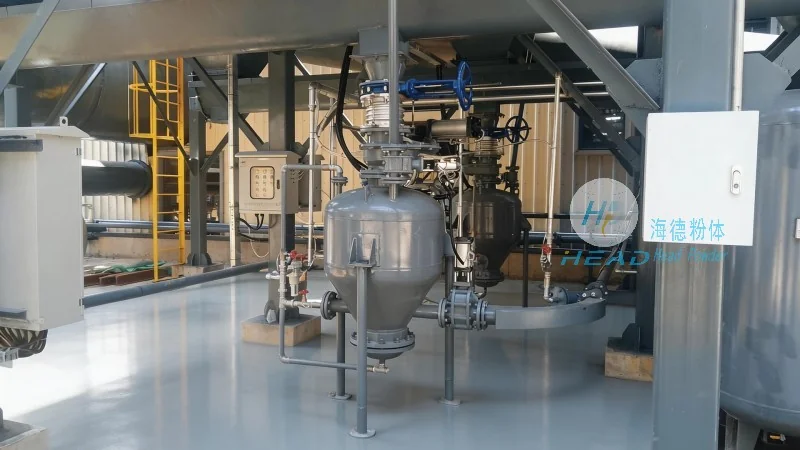
Distinguishing Between Positive and Negative Pressure Conveying
Differentiating between positive and negative pressure conveying systems involves considering several factors, including material characteristics, conveying distance, and operational requirements. The first step is to assess the physical properties of the fertilizer granules, such as particle size, moisture content, and bulk density. For materials that are abrasive or have high bulk density, positive pressure systems are generally more suitable due to their ability to handle higher flow rates and maintain consistent pressure. Conversely, if the granules are fine, dusty, or require gentle handling to avoid degradation, negative pressure systems may be the better choice. Additionally, the distance between the source and destination plays a critical role. Positive pressure systems are often preferred for longer conveying distances, as they can maintain pressure over extended lengths, while negative pressure systems may require more frequent vacuum pump maintenance for longer runs.
Factors to Consider When Choosing a Conveying System
When deciding between positive and negative pressure conveying for fertilizer granules, several factors must be evaluated to ensure optimal performance. The first consideration is the material's flow characteristics. If the granules are free-flowing and have a high bulk density, positive pressure systems offer better control and efficiency. If the material is prone to dusting or requires gentle handling, negative pressure systems may be more appropriate. Another critical factor is the conveying distance and layout. For short to medium distances with simple layouts, both systems can be effective, but for long distances or complex routes, positive pressure systems typically provide better performance. Energy consumption is also a key consideration. Positive pressure systems generally consume more energy due to the need to maintain pressure, while negative pressure systems may have lower energy costs but require more maintenance for vacuum pumps. Finally, the overall cost of ownership, including equipment maintenance and operational costs, should be weighed against the benefits of each system. By carefully evaluating these factors, operators can select the most suitable conveying system for their fertilizer granule handling needs.
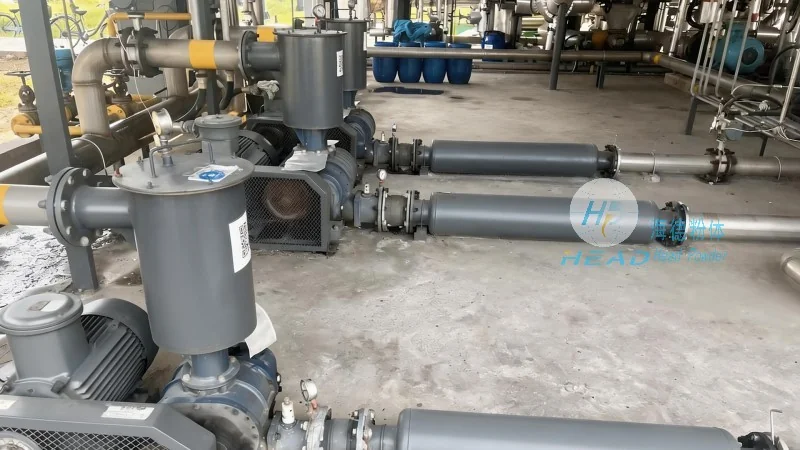
Conclusion and Company Information
Choosing between positive pressure and negative pressure conveying for fertilizer granules requires a thorough understanding of the material properties, operational requirements, and system capabilities. Positive pressure systems excel in handling abrasive or high-density materials over long distances, while negative pressure systems are better suited for fine, delicate materials that require gentle handling. By distinguishing between these systems based on material characteristics, conveying distance, and operational needs, businesses can optimize their fertilizer granule conveying processes. For expert guidance and customized solutions, Shandong HeadPowder Engineering Co., Ltd. offers comprehensive services tailored to the specific needs of agricultural and industrial applications. With a focus on efficiency, reliability, and durability, HeadPowder provides high-quality conveying systems that meet the demands of modern fertilizer handling operations. Located in Shandong, China, HeadPowder is committed to delivering innovative solutions that enhance productivity and safety in fertilizer granule transportation. Whether you need assistance in selecting the right conveying system or customizing equipment for your specific requirements, HeadPowder is the trusted partner for all your fertilizer granule conveying needs.