

Choosing Between Positive Pressure and Negative Pressure for Asbestos Powder Pneumatic Conveying? Ho
When it comes to transporting asbestos powder, selecting the right pneumatic conveying system is crucial for efficiency, safety, and operational reliability. The two primary types of pneumatic conveying systems are positive pressure and negative pressure. Understanding the differences between these two approaches is essential for making an informed decision that aligns with your specific material handling needs. This article will explore the key distinctions between positive pressure and negative pressure pneumatic conveying for asbestos powder, helping you determine which system is best suited for your application.
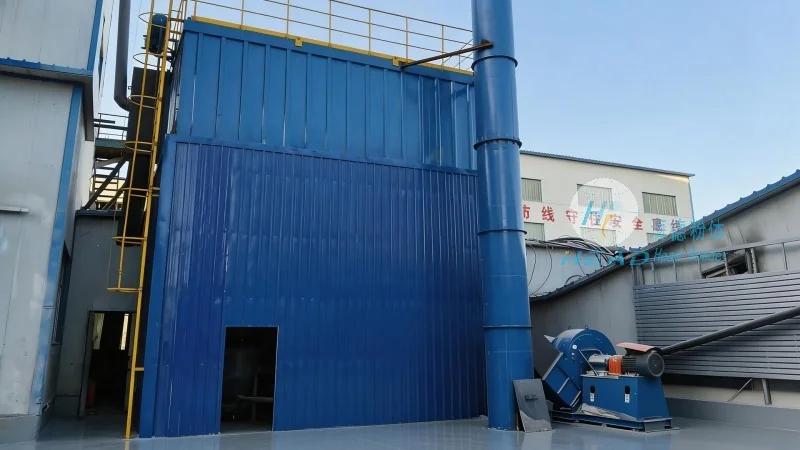
Understanding Pneumatic Conveying Basics
Pneumatic conveying is a method of transporting bulk materials through a pipeline using air or gas as the conveying medium. It offers several advantages over traditional mechanical conveying systems, including reduced equipment wear, lower maintenance costs, and the ability to handle materials that are difficult to transport by other means. For asbestos powder, which is a hazardous material due to its health risks, the choice of conveying system is particularly important as it impacts both safety and operational efficiency.
Positive Pressure Pneumatic Conveying
Positive pressure conveying operates by blowing air or gas into the material to be transported, creating a pressure higher than the ambient air pressure. This method pushes the material through the pipeline. In the context of asbestos powder, positive pressure systems are often preferred for applications requiring high material concentration and short to medium transport distances. These systems typically use a blower or compressor to generate the necessary pressure, ensuring that the material is continuously moved through the pipeline without significant pressure drops. The high pressure in positive pressure systems helps maintain the material's flowability and reduces the risk of clogging, which is critical when handling fine powders like asbestos. Additionally, positive pressure systems can be equipped with advanced filtration and dust collection systems to minimize the release of airborne particles, enhancing safety during operation.
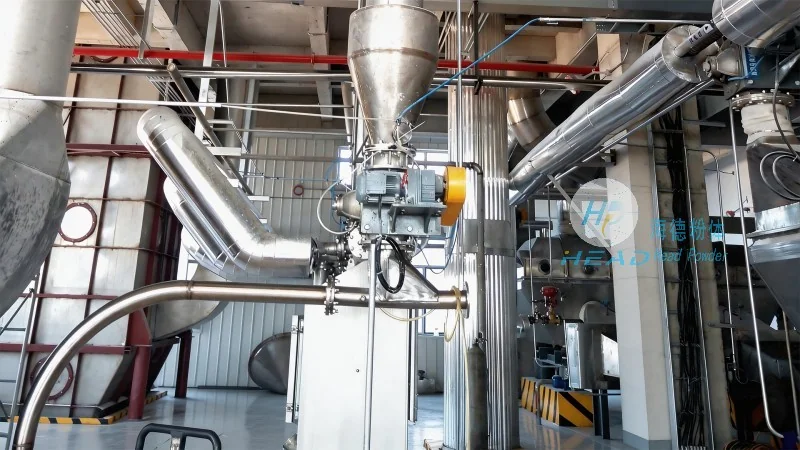
Negative Pressure Pneumatic Conveying
Negative pressure conveying, also known as suction or vacuum conveying, operates by creating a vacuum in the pipeline, which draws the material into the system. This method is suitable for transporting materials over longer distances and at lower material concentrations. For asbestos powder, negative pressure systems are often used when the material needs to be collected from multiple points or when the transport distance is significant. The vacuum created in the system pulls the material from the source, through the pipeline, and into a collection hopper or storage area. Unlike positive pressure systems, negative pressure systems do not require high-pressure blowers but instead rely on vacuum pumps to maintain the necessary suction. This can be more energy-efficient for long-distance transport but may require more careful management of air intake to prevent the ingress of contaminants or dust into the system.
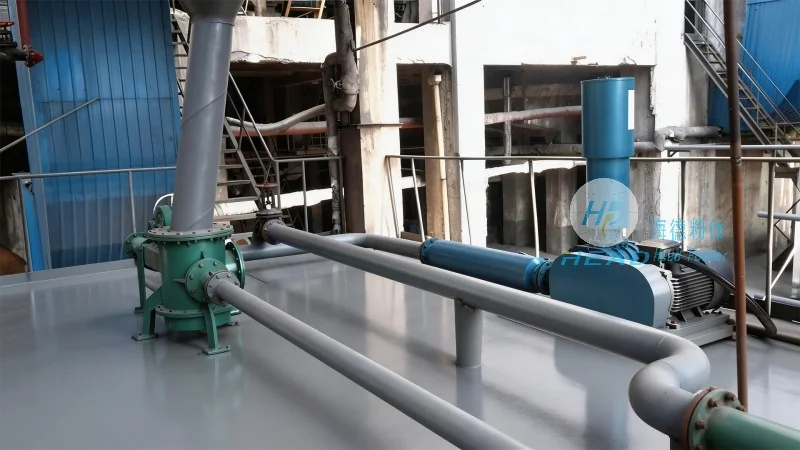
Distinguishing Between Positive and Negative Pressure Systems
The primary distinction between positive and negative pressure pneumatic conveying lies in the direction of air flow and the pressure differential within the system. Positive pressure systems push material through the pipeline by increasing the pressure inside the line, while negative pressure systems pull material by creating a vacuum. This fundamental difference impacts several key aspects of the system's performance and suitability for asbestos powder. For instance, positive pressure systems are generally more effective for high-concentration, short-distance transport due to their ability to maintain consistent material flow and reduce the risk of blockages. Negative pressure systems, on the other hand, excel in long-distance, low-concentration transport and are often more suitable for applications where the material needs to be collected from multiple sources or where the environment requires a lower risk of dust release at the source.
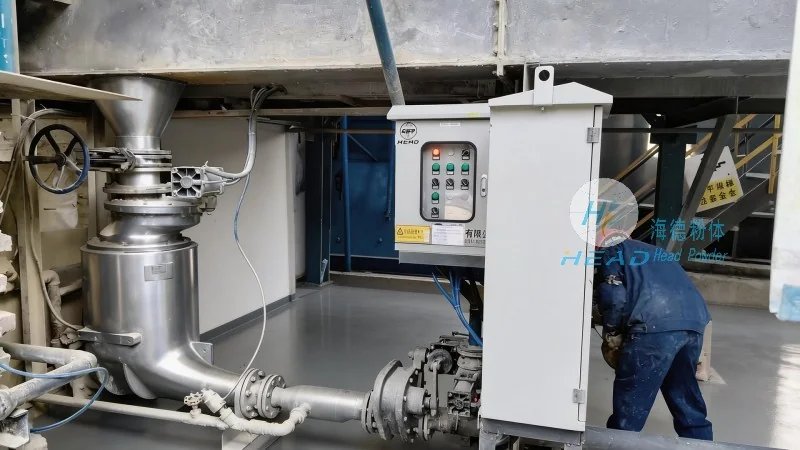
Factors to Consider When Choosing a System for Asbestos Powder
When deciding between positive and negative pressure pneumatic conveying for asbestos powder, several factors must be considered. The first is the transport distance and material concentration. Short distances with high material concentration are better suited for positive pressure systems, while longer distances with lower concentrations are more appropriate for negative pressure systems. The second factor is the need for material handling flexibility. If the system needs to collect material from multiple points or transport it to different destinations, negative pressure systems may offer more versatility. Third, safety considerations are paramount when handling asbestos powder. Positive pressure systems can be equipped with robust filtration and containment measures to prevent dust release, while negative pressure systems may require careful sealing of the intake points to avoid airborne particle exposure. Finally, energy efficiency and operational costs should be evaluated. Positive pressure systems may consume more energy due to the need for high-pressure blowers, whereas negative pressure systems can be more energy-efficient for long-distance transport but may require more maintenance for vacuum pumps.
Conclusion
Choosing between positive and negative pressure pneumatic conveying for asbestos powder requires a careful assessment of the specific application requirements. Positive pressure systems are ideal for high-concentration, short-distance transport with strong emphasis on safety and material flow consistency. Negative pressure systems are better suited for long-distance, low-concentration transport and applications requiring flexibility in material collection. By understanding the operational characteristics and suitability of each system, you can select the most appropriate pneumatic conveying solution for your asbestos powder handling needs. Whether you opt for a positive pressure or negative pressure system, ensuring compliance with safety regulations and implementing effective dust control measures is essential for safe and efficient operation. Shandong HeadPowder Engineering Co., Ltd., a leading provider of engineering solutions for bulk material handling, offers expertise in designing and implementing custom pneumatic conveying systems tailored to the unique needs of asbestos powder applications. With a focus on safety, efficiency, and reliability, HeadPowder Engineering helps clients optimize their material handling processes while minimizing risks associated with handling hazardous materials like asbestos powder.