

Choosing Between Positive and Negative Pressure for Fine Coal Powder Pneumatic Conveying: How to Dis
The selection between positive pressure and negative pressure systems for fine coal powder pneumatic conveying is a critical decision that impacts operational efficiency, safety, and cost-effectiveness. Understanding the fundamental differences and distinguishing factors is essential for optimizing material handling processes.
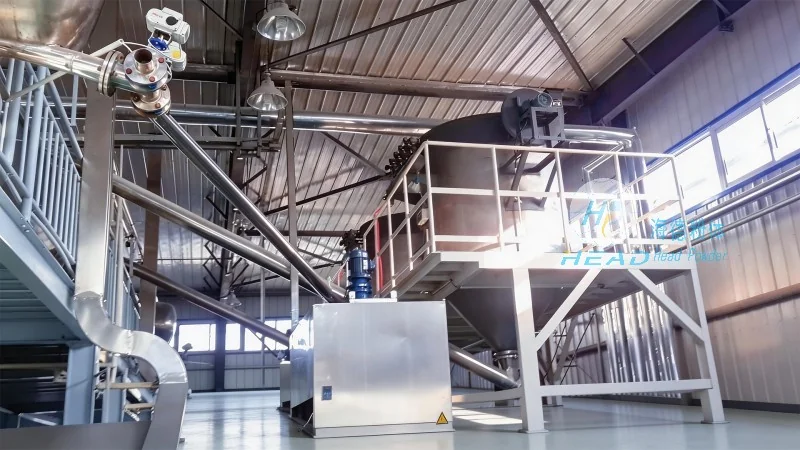
Positive Pressure Pneumatic Conveying Systems
Positive pressure pneumatic conveying systems operate by blowing air or gas into the conveying line, pushing the material through the system. This method is often preferred for applications requiring high material throughput, long-distance transport, or the handling of abrasive or corrosive powders. The positive pressure system typically involves a blower or compressor at the material source, which generates the necessary pressure to move the powder. The system design includes a sealed hopper, a feeder, and a pipeline that transports the material to the destination, often with a receiver or silo at the end. This approach ensures that the material is contained within the system, minimizing dust emissions and environmental impact.
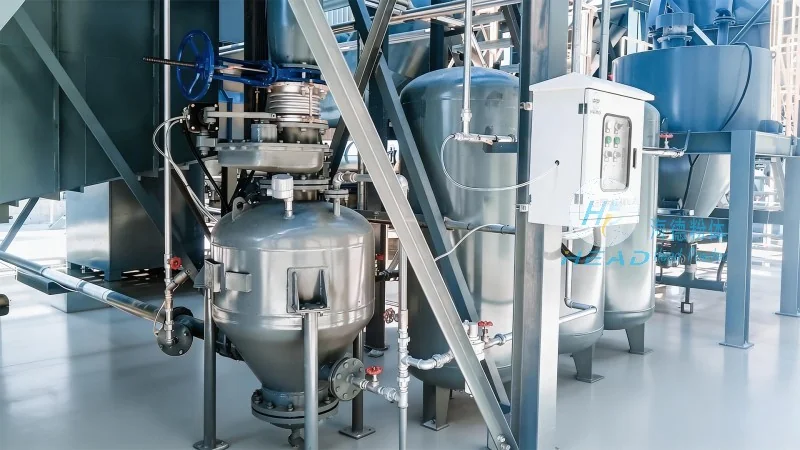
Negative Pressure (Vacuum) Pneumatic Conveying Systems
Negative pressure (or vacuum) systems, on the other hand, create a vacuum in the conveying line by extracting air from the system, pulling the material into the pipeline. This method is commonly used for applications where the material is sensitive to pressure, or where the system needs to handle fine powders that are prone to clogging. The negative pressure system includes a vacuum pump at the receiving end, which draws the material from the source and transports it to the destination. The source material is typically stored in a hopper or bin, with a feeder that controls the material flow into the vacuum line. This approach is often used for shorter distances and for materials that are less abrasive, as the lower pressure reduces the risk of material degradation.
Distinguishing Factors Between Positive and Negative Pressure Systems
Several key factors can help distinguish between positive and negative pressure systems. First, the pressure differential: positive pressure systems operate at pressures above atmospheric, while negative pressure systems operate at pressures below atmospheric. Second, the direction of material flow: in positive pressure systems, material is pushed from the source to the destination, whereas in negative pressure systems, material is pulled from the source to the destination. Third, the system components: positive pressure systems require a blower or compressor at the source, while negative pressure systems need a vacuum pump at the destination. Fourth, the application suitability: positive pressure is ideal for high-volume, long-distance transport and handling of abrasive materials, while negative pressure is better for sensitive powders and shorter distances.
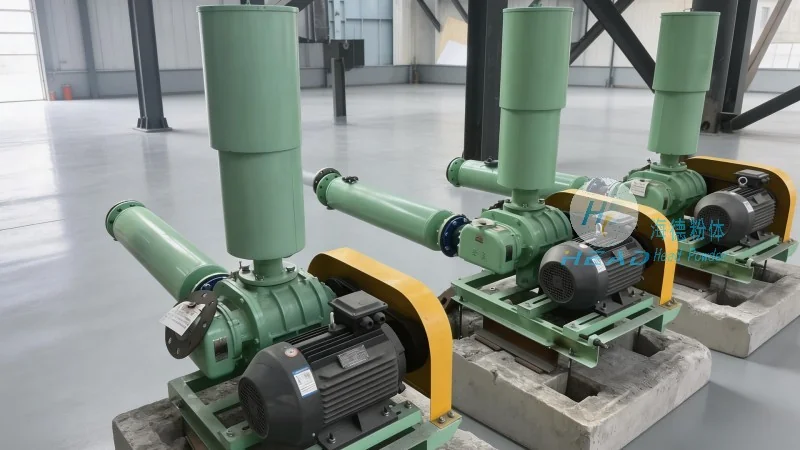
About HeadPowder Engineering
HeadPowder, a leading provider of pneumatic conveying solutions, offers expert guidance in selecting the appropriate system for fine coal powder applications. With a focus on engineering excellence and customer-centric solutions, HeadPowder's team of professionals helps clients evaluate their specific needs to determine whether a positive or negative pressure system is the best fit. The company's headquarters is located in Shandong, China, where it has established a strong presence in the industry, delivering reliable and efficient material handling systems.