

Choosing Between Positive and Negative Pressure Conveying for Silica Fume Pneumatic Transport: How t
When it comes to transporting silica fume—a fine, highly reactive powder used in concrete and other construction materials—choosing the right pneumatic conveying system is critical. The two primary options are positive pressure conveying and negative pressure conveying. Each has distinct advantages and is suited to different operational requirements. Understanding the differences between these systems is essential for optimizing material handling efficiency, minimizing downtime, and ensuring the safety of personnel and equipment.
Understanding Pneumatic Conveying Basics
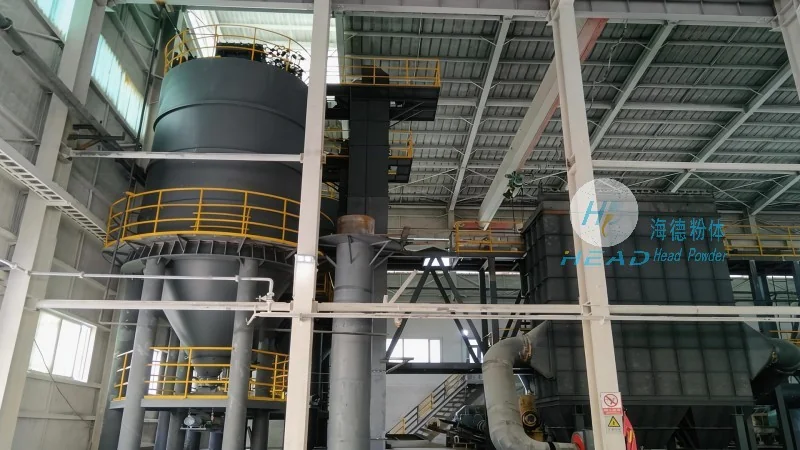
Pneumatic conveying uses air to move bulk materials through a pipeline. The system can operate under either positive or negative pressure, depending on the direction of air flow relative to the material being transported. Positive pressure systems force air and material through the pipeline, while negative pressure systems draw material into the pipeline using suction. The choice between these methods depends on factors such as material properties, distance, number of transfer points, and environmental considerations.
Positive Pressure Conveying for Silica Fume
Positive pressure conveying, also known as pressure conveying, is often preferred for transporting silica fume over longer distances or through complex networks with multiple transfer points. In this system, a blower or compressor generates positive pressure, pushing air and the material through the pipeline. This method is effective for handling fine powders like silica fume because it reduces the risk of blockages and ensures consistent flow. The high pressure also helps maintain the material's integrity, preventing agglomeration or degradation during transport.
One of the key advantages of positive pressure systems is their ability to handle multiple branch lines. This makes them ideal for industrial applications where the material needs to be distributed to several destinations from a single source. For example, in a concrete mixing plant, silica fume may need to be delivered to multiple batching units or storage silos. Positive pressure conveyors can efficiently manage these multiple transfers without significant loss of pressure or material.
Another benefit is the lower maintenance requirements compared to negative pressure systems. Since the air is forced through the system, there is less risk of dust leakage or contamination, which can be a concern in negative pressure setups. This makes positive pressure systems more suitable for environments where dust control is critical, such as in food processing or pharmaceutical industries, though silica fume applications are typically in construction, where dust is managed through proper ventilation and filtration.
Negative Pressure Conveying for Silica Fume
Negative pressure conveying, or vacuum conveying, is better suited for shorter transport distances and when the material needs to be collected from a source with minimal disruption. This system uses a vacuum pump to create a negative pressure, drawing the material into the pipeline. Negative pressure conveyors are often used for loading or unloading bulk material from containers or silos, as they can effectively capture material from a wide area without the need for direct contact.
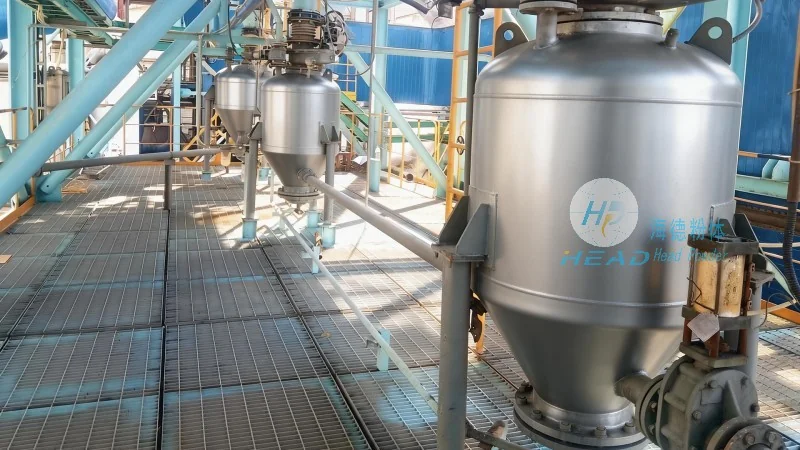
For silica fume, negative pressure systems are particularly useful when the material is being transferred from a storage silo to a processing unit over a short distance, such as within a factory or plant. The vacuum created by the pump ensures that the fine powder is drawn into the pipeline without the need for high pressure, reducing the risk of equipment wear and tear. This method is also advantageous when the material is sensitive to pressure changes, as negative pressure systems maintain a lower pressure environment.
However, negative pressure conveyors have limitations, especially when dealing with long distances or multiple transfer points. The suction power decreases with distance, and the system may struggle to maintain sufficient airflow over longer pipelines. Additionally, negative pressure systems are more prone to dust leakage and require more stringent filtration to prevent air pollution. This makes them less suitable for large-scale, long-distance silica fume transport compared to positive pressure systems.
Key Factors to Consider When Choosing a Conveying System
When deciding between positive and negative pressure conveying for silica fume, several factors must be evaluated. The first is the distance between the source and destination. For distances exceeding 100 meters or involving multiple transfer points, positive pressure conveying is generally more efficient. For shorter distances, such as within a plant or between adjacent silos, negative pressure systems may be sufficient.
Material properties are another critical consideration. Silica fume is a fine powder with a high surface area, which can lead to agglomeration or caking if not handled properly. Positive pressure systems, with their consistent airflow and pressure, help prevent these issues by maintaining the material's flowability. Negative pressure systems, while effective for short distances, may require additional equipment like pre-screws or feeders to ensure smooth material transfer, especially if the powder is prone to sticking to the pipeline walls.
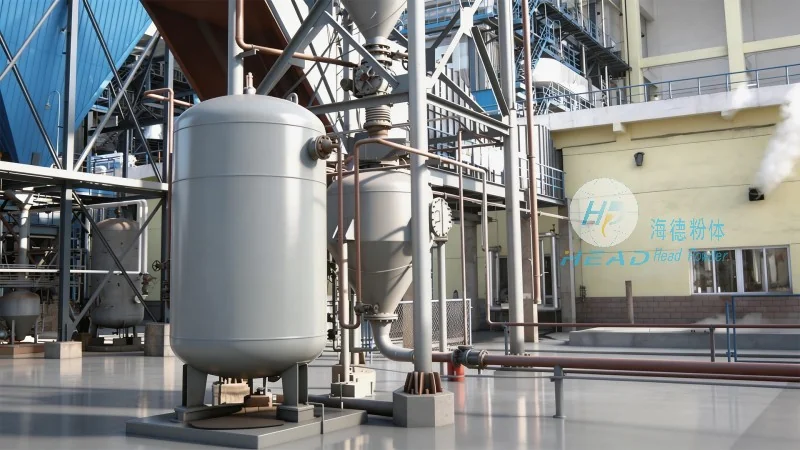
Environmental and safety regulations also play a role. Positive pressure systems are often preferred in environments where dust control is paramount, as they minimize the risk of dust escaping into the workplace. However, negative pressure systems may be required in applications where the material is hazardous or where strict emission standards must be met. In such cases, the system must be equipped with high-efficiency particulate air (HEPA) filters to ensure compliance with air quality regulations.
Cost and maintenance are also important factors. Positive pressure systems typically have lower maintenance costs due to fewer moving parts and less wear on components. However, they may require more energy to operate, especially for long-distance transport. Negative pressure systems, while potentially more energy-efficient for short distances, may need more frequent filter changes and maintenance to prevent dust buildup and ensure optimal performance.
Conclusion: Selecting the Right Conveying System for Silica Fume
Choosing between positive and negative pressure conveying for silica fume requires a careful assessment of operational needs, material characteristics, and environmental constraints. Positive pressure systems offer advantages in terms of efficiency, reliability, and maintenance for long-distance or complex transport scenarios. Negative pressure systems, on the other hand, are suitable for short distances and applications where dust control is less of a concern or where the material is sensitive to pressure changes.
For industrial applications, it is often beneficial to consider a hybrid system that combines both positive and negative pressure components. For example, a positive pressure system can be used for the main transport line, while a negative pressure feeder can be used to load material into the pipeline from a silo. This approach leverages the strengths of both systems while mitigating their weaknesses.
Ultimately, the best conveying system for silica fume depends on the specific requirements of the project. By understanding the differences between positive and negative pressure conveying and evaluating the relevant factors, manufacturers can select a system that maximizes efficiency, minimizes costs, and ensures safe and effective material handling. Whether using positive or negative pressure, proper design and maintenance are essential to achieve optimal performance and prolong the lifespan of the conveying equipment.