

Potato Pneumatic Conveying: Choosing Positive Pressure or Negative Pressure? How to Distinguish Them
When it comes to the efficient handling of potatoes in industrial processing, the choice between positive pressure and negative pressure pneumatic conveying systems is a critical decision. Understanding the fundamental differences and operational characteristics of each system is essential for selecting the most suitable solution for potato processing applications. This article provides a detailed analysis of positive pressure versus negative pressure potato pneumatic conveying, outlining key factors to consider and practical guidance on how to distinguish between the two methods.
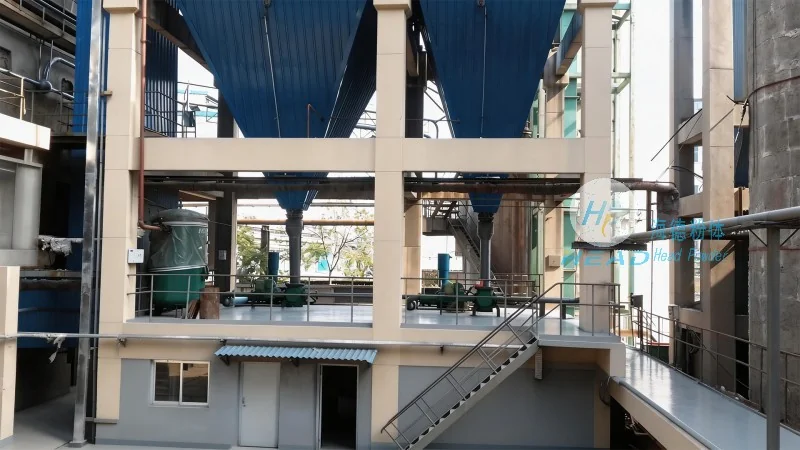
Introduction to Pneumatic Conveying Systems for Potatoes
Pneumatic conveying systems are widely used in the food processing industry for transporting bulk materials like potatoes. These systems utilize air or gas to move materials through a pipeline, offering advantages such as reduced labor costs, improved hygiene, and the ability to handle materials in a closed system. For potato processing, where maintaining product quality and minimizing damage is paramount, the selection of an appropriate conveying method is vital. Two primary types of pneumatic conveying systems are commonly employed: positive pressure and negative pressure systems. Each has distinct operational principles, advantages, and limitations that influence their suitability for different potato handling scenarios.
Positive Pressure Pneumatic Conveying for Potatoes
Positive pressure conveying systems operate by generating air pressure within the conveying line, typically using a positive displacement blower or a centrifugal fan. The air is forced through the pipeline, carrying the potato particles along with it. This method is often preferred for applications requiring high material flow rates and long-distance transport. The positive pressure system ensures that the conveying line is under pressure, preventing external air from entering and potentially contaminating the product. For potato processing, positive pressure systems are particularly effective when dealing with large volumes of potatoes that need to be moved from storage to processing facilities or between different processing stages. The high air pressure helps maintain the integrity of the potatoes by minimizing friction and impact during transport.
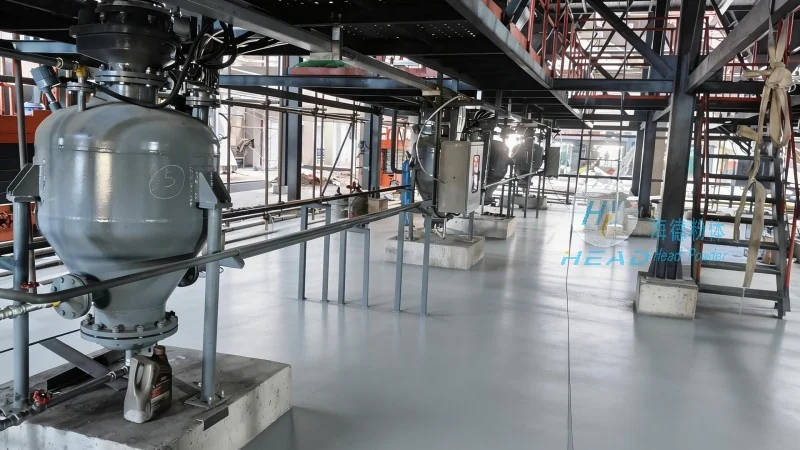
Negative Pressure Pneumatic Conveying for Potatoes
Negative pressure conveying systems, on the other hand, create a vacuum or negative pressure within the conveying line. This is achieved by using an air extractor or a vacuum pump. The system draws the potato particles into the pipeline using the pressure differential between the intake and the outlet. Negative pressure systems are commonly used for shorter distances and when the material is being transported from a processing area back to a storage or collection point. They are particularly suitable for applications where the material is being moved from a high point to a lower point, as the vacuum helps pull the potatoes downward. However, negative pressure systems may be more susceptible to contamination from external air, as the intake is open to the environment. This can be a concern for potato processing, where maintaining product purity is essential.
Distinguishing Between Positive and Negative Pressure Systems
Identifying whether a pneumatic conveying system is positive or negative pressure can be done by observing the pressure conditions within the pipeline and the direction of material flow. Positive pressure systems are characterized by a pressurized pipeline, with air being expelled from the discharge point. In contrast, negative pressure systems have a vacuum or low-pressure environment in the pipeline, with air being drawn into the intake. Another key distinction is the method of material intake: positive pressure systems typically use a sealed hopper or feeder, while negative pressure systems may employ an open or vented intake. For potato processing, the choice between the two often depends on the specific operational requirements, such as the distance of transport, the volume of potatoes being handled, and the need for product containment and hygiene. Positive pressure systems are generally more suitable for long-distance or high-volume transport, while negative pressure systems are better suited for short-distance or return transport where the material is being moved from a processing area back to a storage location.
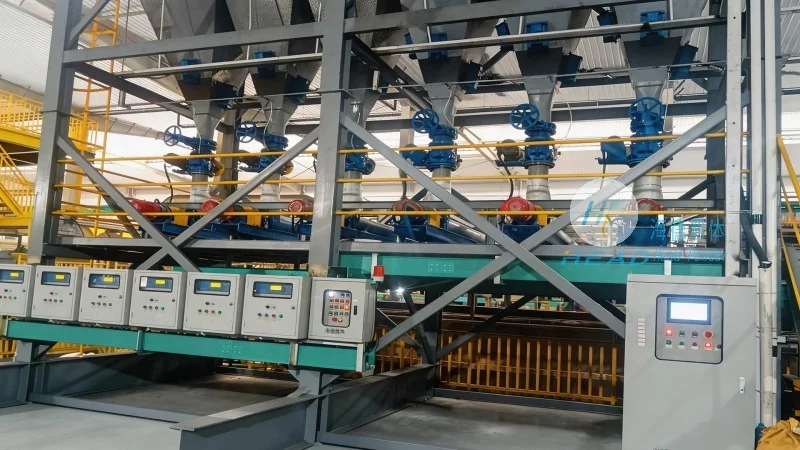
Factors to Consider When Choosing a Potato Pneumatic Conveying System
When selecting between positive and negative pressure pneumatic conveying systems for potato processing, several factors must be evaluated. The first consideration is the distance and volume of potato transport. Positive pressure systems are more efficient for long distances and high material flow rates, as they can maintain consistent pressure and flow. Negative pressure systems are better suited for shorter distances and lower volumes, where the vacuum can effectively draw the potatoes without excessive energy consumption. Another critical factor is the need for product containment and hygiene. Positive pressure systems are generally preferred in food processing applications, as they prevent external contaminants from entering the system and maintain a sterile environment. Negative pressure systems may require additional filtration and sealing measures to ensure product purity. The type of potato being handled also plays a role, as some varieties may be more susceptible to damage from high air velocities or pressure changes. Additionally, the cost and maintenance requirements of each system should be considered. Positive pressure systems may have higher initial costs due to the need for robust blower systems, but they often have lower maintenance requirements compared to negative pressure systems, which may require more frequent filter changes and vacuum pump maintenance.
Conclusion
Choosing between positive pressure and negative pressure pneumatic conveying systems for potato processing requires a thorough understanding of the operational needs and characteristics of the system. Positive pressure systems offer advantages in terms of high material flow rates, long-distance transport, and product containment, making them ideal for large-scale potato processing facilities. Negative pressure systems, while suitable for shorter distances and return transport, may present challenges in maintaining product purity and may require additional measures to ensure hygiene. By carefully evaluating the specific requirements of the potato handling process, including distance, volume, and product quality considerations, processors can select the most appropriate pneumatic conveying system. Shandong HeadPowder Engineering Co., Ltd., a leading manufacturer of pneumatic conveying equipment based in China, specializes in providing customized solutions for potato processing applications. With years of experience in the industry, HeadPowder offers a range of high-quality positive and negative pressure conveying systems designed to meet the unique needs of potato processors, ensuring efficient and hygienic material handling throughout the production process.