

Choosing Between Positive Pressure and Negative Pressure for Additive Pneumatic Conveying: How to Di
Pneumatic conveying is a critical technology in the processing and handling of additives, offering efficient and flexible material transport solutions. When selecting a pneumatic conveying system, one of the most fundamental decisions is choosing between positive pressure and negative pressure (vacuum) systems. Each approach has distinct characteristics, advantages, and applications, making it essential to understand the differences to ensure optimal performance and cost-effectiveness. This article provides a comprehensive guide to help you distinguish between these two types of systems, considering key factors such as material properties, system design, and operational requirements.
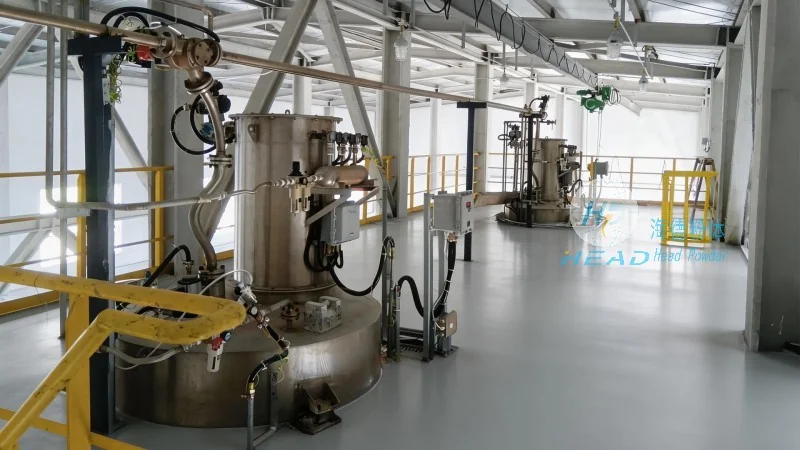
Understanding Positive Pressure Pneumatic Conveying
Positive pressure pneumatic conveying systems operate by blowing air or a gas mixture into a pipeline to move material. The system generates pressure above atmospheric levels, pushing the material forward through the pipeline. This method is particularly effective for long-distance transport and for handling materials that are prone to degradation or contamination from external air. Positive pressure systems are commonly used in applications where the material needs to be conveyed from a central source to multiple destinations or where the process requires a closed system to maintain product integrity. The primary advantage of positive pressure systems is their ability to handle a wide range of materials, including powders, granules, and even bulk solids, with minimal risk of product degradation due to exposure to ambient air.
Understanding Negative Pressure (Vacuum) Pneumatic Conveying
Negative pressure, or vacuum, pneumatic conveying systems work by creating a partial vacuum in the pipeline, which draws material from a source into the system. The system uses a vacuum pump to pull air and material through the pipeline, typically from a hopper or storage bin to a processing unit. This approach is ideal for applications where the material is to be drawn from a single source or where the process requires a clean, enclosed environment. Negative pressure systems are often preferred for handling materials that are sensitive to air exposure, such as pharmaceuticals, food additives, or fine powders that could degrade or become contaminated when exposed to ambient air. The main benefit of vacuum systems is their ability to minimize product loss and contamination, as the material is drawn into the system without direct contact with external air.

Key Factors to Consider When Choosing Between Positive and Negative Pressure Systems
The choice between positive pressure and negative pressure pneumatic conveying systems depends on several critical factors. First, the physical properties of the additive material, such as particle size, moisture content, and dustiness, play a significant role. For example, fine powders with high moisture content may require a positive pressure system to prevent caking or agglomeration, while highly sensitive materials may benefit from a vacuum system to avoid contamination. Second, the distance and layout of the conveying route are important considerations. Positive pressure systems are generally more suitable for longer distances due to their ability to maintain pressure and overcome friction losses. In contrast, vacuum systems are often used for shorter distances or when the material needs to be drawn from a single point. Third, the operational environment and safety requirements must be evaluated. Positive pressure systems may require additional safety measures to prevent pressure buildup and leaks, while vacuum systems need to ensure adequate air filtration to maintain a clean environment. Finally, the cost and maintenance considerations should be taken into account. Positive pressure systems may have higher initial costs due to the need for robust air compressors and pressure vessels, but they can offer lower long-term maintenance costs compared to vacuum systems, which may require more frequent filter changes and pump maintenance.

Application Examples and Practical Considerations
Real-world applications provide valuable insights into the appropriate use of each system. For instance, in the food and beverage industry, negative pressure systems are commonly used to convey ingredients like spices, flavorings, and colorants to production lines, as these materials are highly sensitive to air exposure and require a clean, sterile environment. In contrast, in the chemical industry, positive pressure systems are often employed to transport bulk chemicals, such as pigments and fillers, over long distances from storage silos to processing facilities. Another practical consideration is the impact of system design on material flow. Positive pressure systems may require additional components, such as rotary valves and pressure regulators, to ensure smooth material transfer, while vacuum systems may need specialized hoppers and suction nozzles to maintain consistent material flow. Ultimately, the selection of a pneumatic conveying system should be based on a thorough analysis of the specific requirements of the additive handling process, balancing performance, cost, and operational efficiency.
About HeadPowder: Your Expert Partner in Pneumatic Conveying Solutions
HeadPowder, a leading provider of pneumatic conveying solutions, specializes in designing and manufacturing customized systems tailored to the unique needs of additive processing. With years of experience in the industry, HeadPowder offers a comprehensive range of positive and negative pressure systems, backed by expert engineering and technical support. HeadPowder's solutions are designed to optimize material handling efficiency while ensuring product integrity and safety. The company's headquarters is located in Shandong, China, providing a strong local presence and access to advanced manufacturing capabilities. Whether you are looking to upgrade an existing system or design a new one, HeadPowder is committed to delivering high-quality, reliable pneumatic conveying solutions that meet the highest industry standards. For more information on how HeadPowder can assist with your additive pneumatic conveying needs, contact us at our address in Shandong, China.