

White Bean Slice Pneumatic Conveying: Choosing Positive Pressure or Negative Pressure? How to Distin
When it comes to transporting white bean slices, the choice between positive pressure and negative pressure pneumatic conveying systems is a critical decision for many processing facilities. Understanding the differences and advantages of each approach is essential for optimizing efficiency, maintaining product quality, and ensuring operational reliability. This article provides a detailed comparison of positive and negative pressure systems, helping you make an informed choice for your white bean slice handling needs.
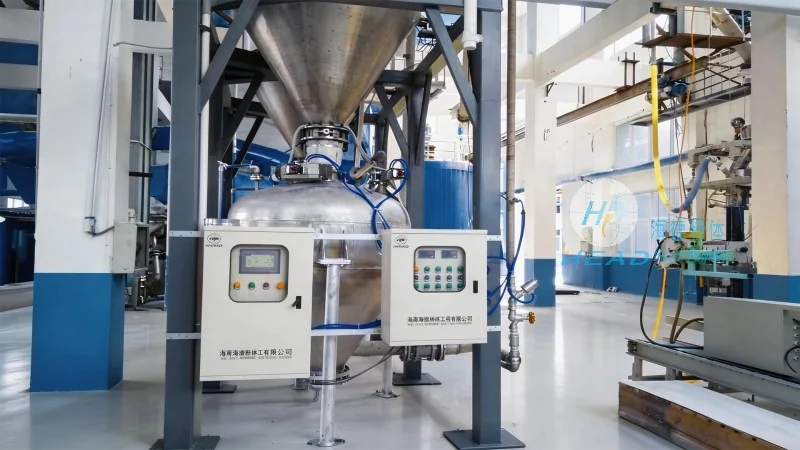
Understanding Pneumatic Conveying Systems
Pneumatic conveying is a method of transporting bulk materials like white bean slices through a pipeline using air or gas. The two primary types are positive pressure and negative pressure systems. Both systems rely on air movement to move the material, but they differ in how the air is introduced and managed within the system.
Positive Pressure Pneumatic Conveying
Positive pressure systems operate by blowing air into the conveying line, creating a pressure higher than the ambient air. The material is drawn into the system by the pressure differential and is propelled forward through the pipeline. This method is often preferred for short to medium distance conveying and when the material is relatively dry and free-flowing. For white bean slices, positive pressure can be effective in maintaining product integrity, as the material is not exposed to negative pressure that might cause dust or moisture issues.

Negative Pressure Pneumatic Conveying
Negative pressure systems, also known as vacuum systems, create a vacuum in the conveying line, drawing the material and air into the system. The material is pulled through the pipeline by the pressure difference between the system and the ambient environment. This approach is typically used for longer distances or when the material is more abrasive or contains moisture. For white bean slices, negative pressure can be advantageous in controlling dust and maintaining a clean environment, but it may require more robust equipment to handle potential material buildup or blockages.
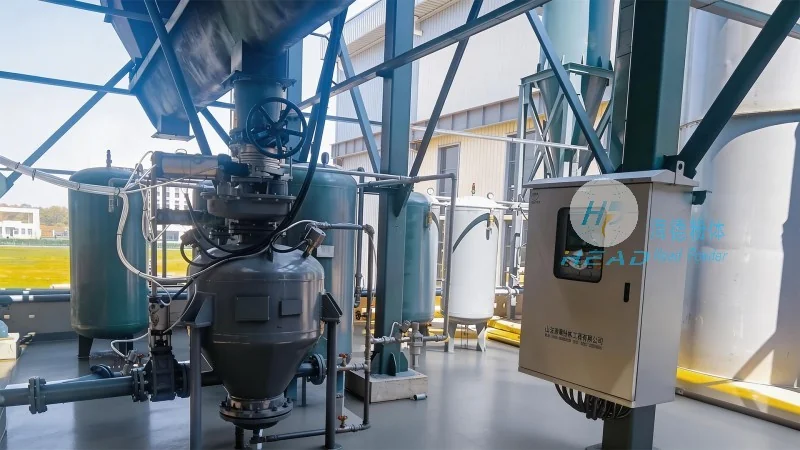
Distinguishing Between Positive and Negative Pressure Systems
Several key factors help distinguish between positive and negative pressure systems for white bean slice pneumatic conveying:

- Conveying Distance: Positive pressure is generally suitable for shorter distances (typically up to 100 meters), while negative pressure is better for longer distances (up to several hundred meters).
- Material Characteristics: Positive pressure works well with dry, free-flowing materials like white bean slices, whereas negative pressure can handle more abrasive or sticky materials with higher moisture content.
- Environmental Impact: Negative pressure systems are often preferred in environments where dust control is critical, as they draw material into the system rather than blowing it out. Positive pressure systems may require additional filtration to manage dust emissions.
- System Complexity and Maintenance: Positive pressure systems are generally simpler and require less maintenance, while negative pressure systems may have more complex vacuum components and require regular cleaning to prevent blockages.
Choosing the Right System for White Bean Slice Handling
When selecting between positive and negative pressure pneumatic conveying for white bean slices, consider the specific requirements of your operation. For facilities with shorter conveying distances and dry, free-flowing white bean slices, a positive pressure system may offer cost-effective and reliable performance. Conversely, if your operation involves longer distances or materials with higher moisture content, a negative pressure system might be more suitable. It is also important to evaluate the overall system cost, including equipment, installation, and maintenance, to ensure it aligns with your budget and operational goals.
Conclusion
Choosing the right pneumatic conveying system for white bean slices is a decision that impacts efficiency, product quality, and operational costs. By understanding the differences between positive and negative pressure systems and considering factors such as conveying distance, material characteristics, and environmental requirements, you can select the most appropriate system for your needs. Shandong HeadPowder Engineering Co., Ltd., with its expertise in bulk material handling, can provide tailored solutions to meet your white bean slice conveying challenges. Whether you opt for positive or negative pressure, investing in the right system will enhance your processing capabilities and ensure consistent, high-quality white bean slice handling.