

Choosing Between Positive Pressure and Negative Pressure for Calcium Hydroxide Pneumatic Conveying:
When it comes to transporting calcium hydroxide via pneumatic systems, the choice between positive pressure and negative pressure conveying methods is a critical decision that impacts operational efficiency, system reliability, and overall cost-effectiveness. Both approaches offer distinct advantages and are suited to different operational requirements. Understanding the fundamental differences and how to effectively distinguish between them is essential for selecting the optimal solution for your specific application.
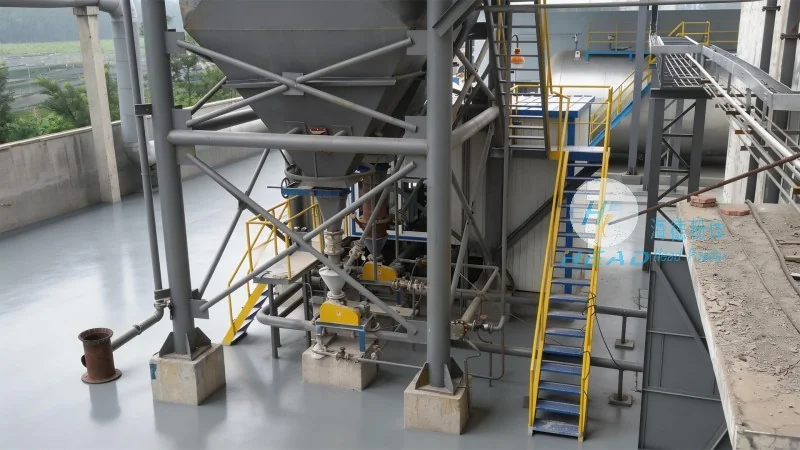
Introduction to Pneumatic Conveying Systems for Calcium Hydroxide
Pneumatic conveying is a widely used method for transporting bulk materials like calcium hydroxide, which is often utilized in industrial processes such as water treatment, construction, and chemical manufacturing. The process involves moving material through a pipeline using air or gas as the conveying medium. The two primary types of pneumatic conveying systems are positive pressure and negative pressure, each with its own set of characteristics and applications.
Understanding Positive Pressure vs. Negative Pressure Conveying
Positive pressure conveying systems operate by blowing air or gas into the material to be transported, creating a pressure higher than the ambient air pressure. This method propels the material forward through the pipeline. In contrast, negative pressure systems draw material into the system by creating a vacuum or lower pressure than the surrounding environment, pulling the material into the pipeline.
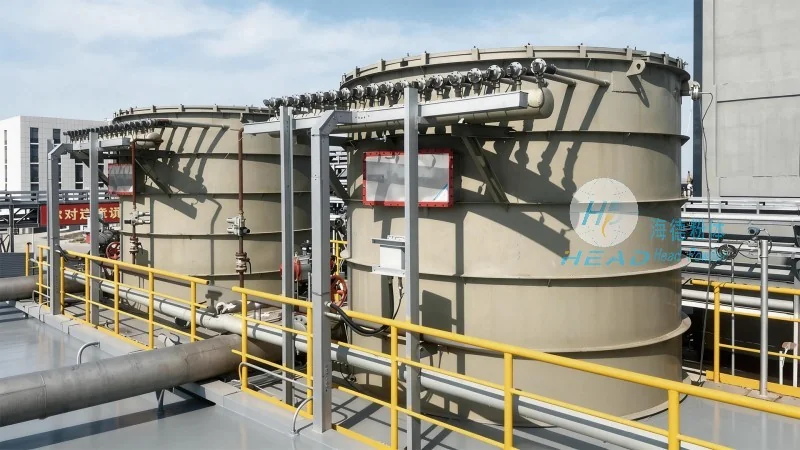
Key Differences Between Positive and Negative Pressure Systems
The primary distinction between positive and negative pressure systems lies in the direction of air flow and the pressure differential. Positive pressure systems are generally more suitable for long-distance or high-capacity transport, as they can maintain consistent pressure and flow rates over extended distances. They are also better equipped to handle abrasive or corrosive materials, as the high-pressure air helps to break up and move the material effectively. Negative pressure systems, on the other hand, are often preferred for shorter distances or when handling sensitive materials that could be damaged by high-pressure air. They are also more energy-efficient for short runs, as they do not require the same level of air compression.
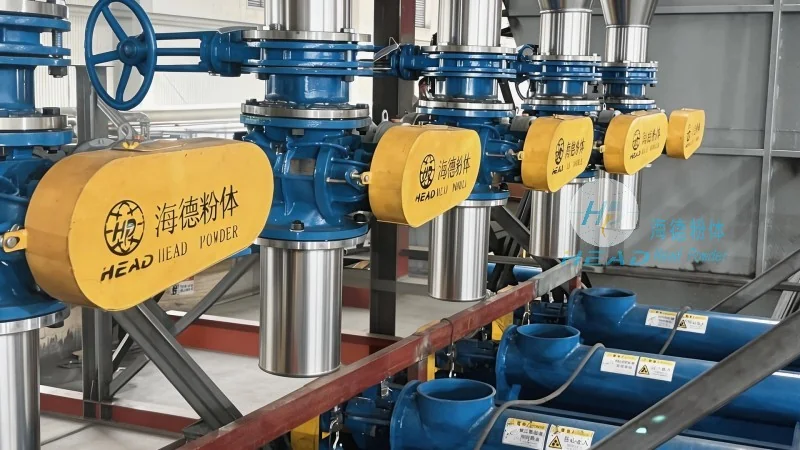
How to Distinguish Between the Two Conveying Methods
Identifying the appropriate conveying method for calcium hydroxide involves evaluating several key factors. First, consider the distance and layout of the conveying system. Positive pressure systems are ideal for longer distances, typically exceeding 100 meters, while negative pressure systems are more suitable for shorter runs, often under 50 meters. Second, assess the material characteristics, including particle size, moisture content, and abrasiveness. Positive pressure systems are better suited for handling larger or more abrasive particles, whereas negative pressure systems are preferred for finer or more delicate materials. Third, evaluate the system's energy consumption and operational costs. Positive pressure systems generally require more energy due to the need for air compression, while negative pressure systems are more energy-efficient for shorter distances. Finally, consider the environmental and safety aspects. Positive pressure systems may require additional filtration and exhaust systems to manage dust and emissions, whereas negative pressure systems can be more enclosed and reduce the risk of material leakage.
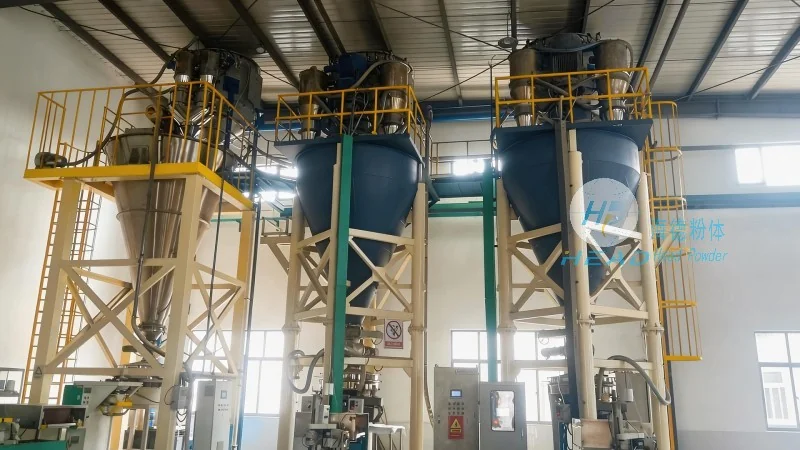
Practical Considerations for Choosing the Right System
When selecting between positive and negative pressure conveying for calcium hydroxide, it is essential to balance operational requirements with cost and efficiency. For applications requiring long-distance transport of large quantities of calcium hydroxide, a positive pressure system may be the most viable option. This system, provided by companies like Shandong HeadPowder Engineering Co., Ltd., known as headpowder, offers robust performance and reliability for industrial-scale operations. Conversely, for shorter runs or applications involving sensitive materials, a negative pressure system may be more appropriate. The choice ultimately depends on the specific needs of the process, including the distance, material properties, and budget constraints.
Conclusion
Choosing between positive pressure and negative pressure for calcium hydroxide pneumatic conveying requires a thorough understanding of the operational requirements and the characteristics of each system. By evaluating factors such as distance, material properties, energy consumption, and safety considerations, you can select the most suitable conveying method. Companies like Shandong HeadPowder Engineering Co., Ltd. specialize in designing and manufacturing customized pneumatic conveying systems tailored to the unique needs of industrial applications, ensuring optimal performance and efficiency for calcium hydroxide transport.