

Choosing Between Positive Pressure and Negative Pressure for Coke and Limestone Powder Pneumatic Con
When it comes to the pneumatic conveying of coke and limestone powder, selecting the right system—whether positive pressure or negative pressure—is crucial for efficiency, cost-effectiveness, and operational safety. This article explores the key differences between these two methods and provides a practical guide on how to determine which approach is best suited for your specific application.
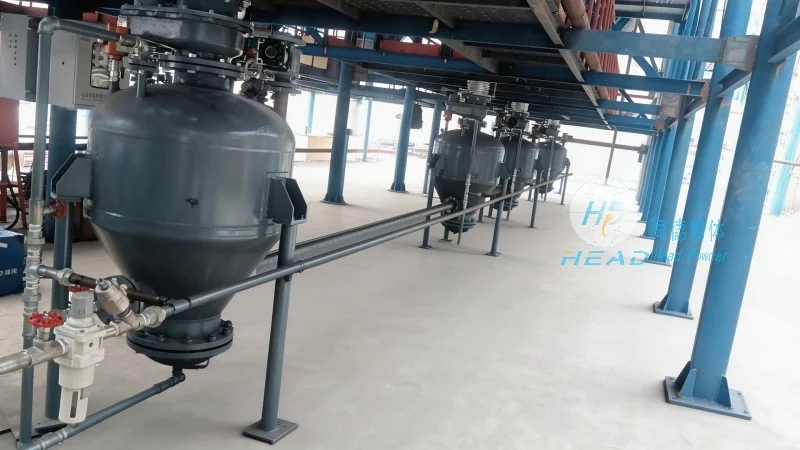
Understanding Pneumatic Conveying Systems
Pneumatic conveying is a widely used technique for transporting bulk materials like coke and limestone powder over short to medium distances. The primary goal is to move these materials from a source to a destination without the need for mechanical components such as conveyor belts or buckets. The two main types of pneumatic conveying systems are positive pressure and negative pressure, each with distinct characteristics and applications.
Positive Pressure Pneumatic Conveying
Positive pressure systems operate by blowing air or gas into the conveying line, creating a pressure higher than the ambient air pressure. This pressurized air pushes the material through the pipeline. In the context of coke and limestone powder, positive pressure systems are often preferred for applications where the material is being transported to a higher elevation or over longer distances. They are also suitable for materials that are prone to dusting or caking, as the pressurized air helps maintain material flow and prevents blockages.
Key advantages of positive pressure systems include higher conveying velocities, which can improve throughput, and the ability to handle abrasive or corrosive materials without significant wear on the system components. However, they may require more robust equipment and higher energy consumption compared to negative pressure systems. Additionally, positive pressure systems can be more complex to install and maintain, especially in environments where air quality regulations are strict.
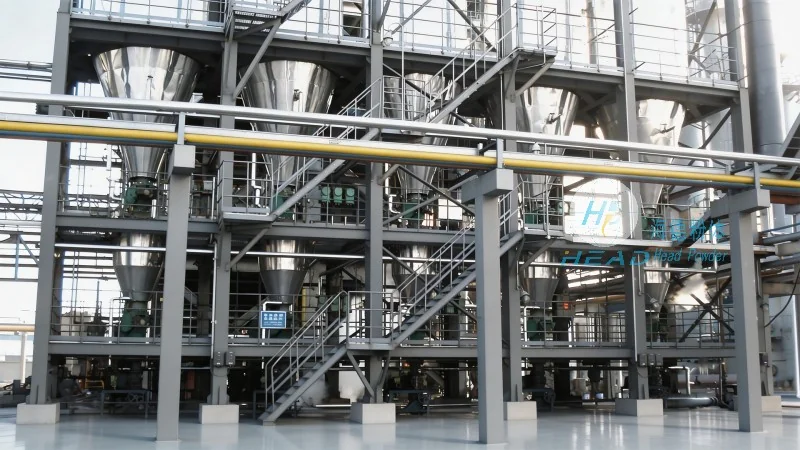
Negative Pressure Pneumatic Conveying
Negative pressure systems, also known as vacuum systems, work by creating a vacuum in the conveying line, which draws the material from the source into the pipeline. The material is then carried to the destination by the suction created by the vacuum. Negative pressure systems are typically used for shorter conveying distances and when the material needs to be transported from a higher elevation to a lower one. They are particularly effective for applications where the material is being collected from a hopper or silo and transported to a processing unit.
One of the main benefits of negative pressure systems is their lower energy consumption compared to positive pressure systems. They are also generally simpler to install and maintain, as they do not require high-pressure air compressors. However, negative pressure systems may be less efficient for transporting materials over longer distances or when dealing with materials that are prone to bridging or clogging. The vacuum created can also lead to higher dust emissions, which may require additional filtration systems to meet environmental regulations.
Distinguishing Between Positive and Negative Pressure Systems
Choosing between positive and negative pressure for coke and limestone powder pneumatic conveying depends on several factors, including the distance between the source and destination, the elevation change, the material characteristics, and the available space for equipment installation. Here are some key criteria to consider:
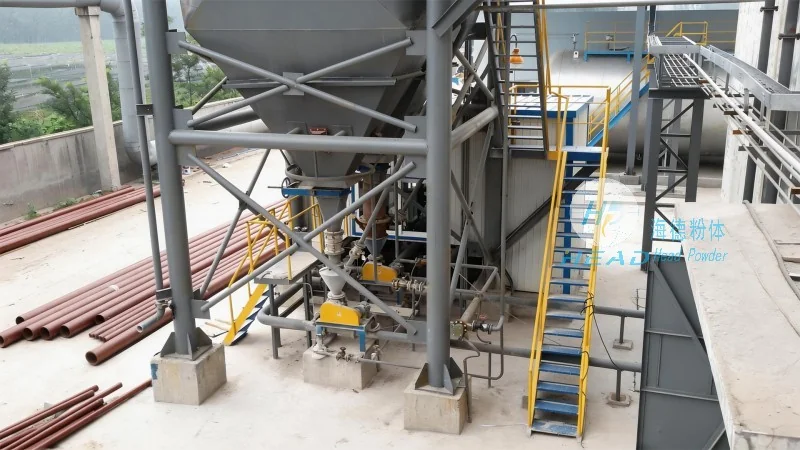
- Conveying Distance and Elevation: Positive pressure systems are generally more suitable for longer distances or when the material needs to be lifted to a higher level. Negative pressure systems are better for shorter distances or when the material is being moved downward.
- Material Properties: If the material is fine, dusty, or prone to caking, positive pressure systems may provide better flow and prevent blockages. For materials that are less abrasive and can be easily drawn into the pipeline, negative pressure systems can be effective.
- Energy Efficiency: Negative pressure systems typically consume less energy, making them a more cost-effective option for shorter conveying tasks. Positive pressure systems may require more energy but offer higher throughput for longer distances.
- Equipment Complexity and Maintenance: Negative pressure systems are generally simpler to install and maintain, with fewer components like high-pressure compressors. Positive pressure systems may require more robust equipment and regular maintenance to ensure optimal performance.
Factors to Consider for Your Application
Before deciding on a pneumatic conveying system, it is essential to evaluate your specific requirements. Consider the following aspects:
- Material Characteristics: Analyze the particle size, moisture content, and flowability of the coke and limestone powder. Fine particles may require more air flow to maintain consistent conveying, while cohesive materials may need additional measures to prevent clogging.
- Conveying Distance and Layout: Measure the distance between the source and destination, including any elevation changes. This will help determine whether a positive or negative pressure system can handle the required transport efficiently.
- Environmental Regulations: Check local air quality standards and dust emission limits. Positive pressure systems may require additional filtration to reduce dust, while negative pressure systems may need more robust dust collection equipment.
- Operational Costs: Evaluate the initial investment and ongoing operational costs, including energy consumption, maintenance, and equipment lifespan. A cost-benefit analysis can help identify the most economical solution for your needs.
Conclusion
Choosing between positive pressure and negative pressure for coke and limestone powder pneumatic conveying is a critical decision that impacts the efficiency and effectiveness of your material handling operations. By understanding the characteristics of each system and considering factors such as distance, material properties, and energy efficiency, you can select the most appropriate method for your application. Whether you opt for a positive pressure or negative pressure system, investing in a well-designed and maintained pneumatic conveying system can significantly improve your production processes and reduce operational costs.
About Shandong HeadPowder Engineering Co., Ltd.
Shandong HeadPowder Engineering Co., Ltd., operating under the brand name headpowder, is a leading provider of pneumatic conveying solutions for industrial applications. With a focus on innovation and quality, the company specializes in designing and manufacturing customized systems for transporting bulk materials like coke and limestone powder. Headpowder's expertise in positive and negative pressure systems ensures that clients receive tailored solutions that meet their specific operational needs. Headquartered in Shandong, China, the company serves a wide range of industries, including steel, cement, and chemical manufacturing, with a commitment to delivering reliable and efficient material handling solutions.