

Choosing Between Positive Pressure and Negative Pressure for Cement Powder Pneumatic Conveying: How
Cement powder pneumatic conveying is a critical process in the cement industry, enabling the efficient transport of bulk materials over long distances or through complex piping systems. When selecting the appropriate conveying method, two primary approaches are commonly considered: positive pressure and negative pressure systems. Understanding the differences between these two systems is essential for optimizing operational efficiency, ensuring material integrity, and minimizing maintenance costs. This article will explore the key distinctions between positive and negative pressure pneumatic conveying for cement powder, providing insights into how to choose the right system for specific applications.
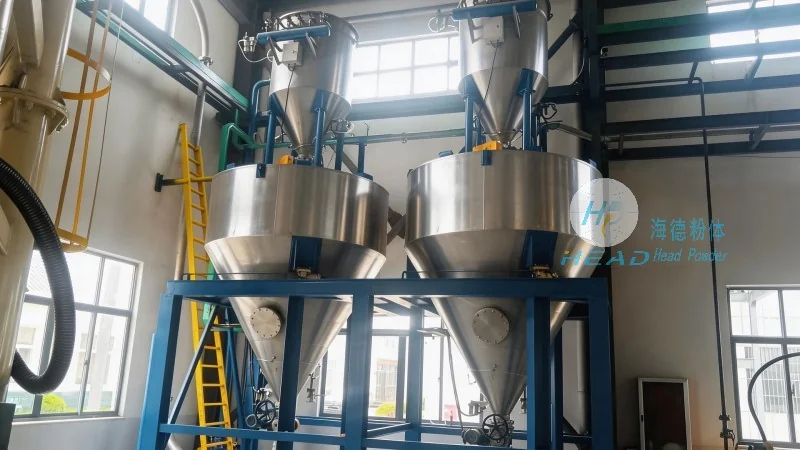
Understanding Pneumatic Conveying Systems
Pneumatic conveying systems use air or gas to transport bulk materials like cement powder through a pipeline. The primary goal is to move material from a source (such as a silo or storage bin) to a destination (such as a mixer or processing unit) without the need for mechanical components like conveyors or elevators. The choice between positive and negative pressure systems depends on factors such as material characteristics, distance, system complexity, and operational requirements.
Differentiating Positive Pressure and Negative Pressure Conveying
Positive pressure conveying systems operate by blowing air or gas into the pipeline, creating a pressure higher than the ambient air pressure. The material is then drawn into the pipeline by the pressure differential. In contrast, negative pressure (or vacuum) systems create a lower pressure inside the pipeline compared to the ambient air, which pulls the material into the system. The fundamental difference lies in how the material is moved: positive pressure pushes the material, while negative pressure pulls it.
Key Characteristics of Positive Pressure Systems
Positive pressure systems are generally more suitable for applications requiring high material flow rates and long distances. They are often used in industrial settings where the material needs to be transported over several hundred meters or more. These systems typically use high-pressure blowers or compressors to generate the necessary pressure, which can range from 0.5 to 2 bar above atmospheric pressure. The high pressure ensures that the material is fully entrained and transported efficiently, reducing the risk of blockages or material degradation.
One of the advantages of positive pressure systems is their ability to handle abrasive or corrosive materials without causing excessive wear on the equipment. The high pressure also allows for the transport of materials with higher moisture content, as the air flow helps to dry the material during transit. However, positive pressure systems may require more robust equipment and higher energy consumption compared to negative pressure systems, which can increase operational costs.
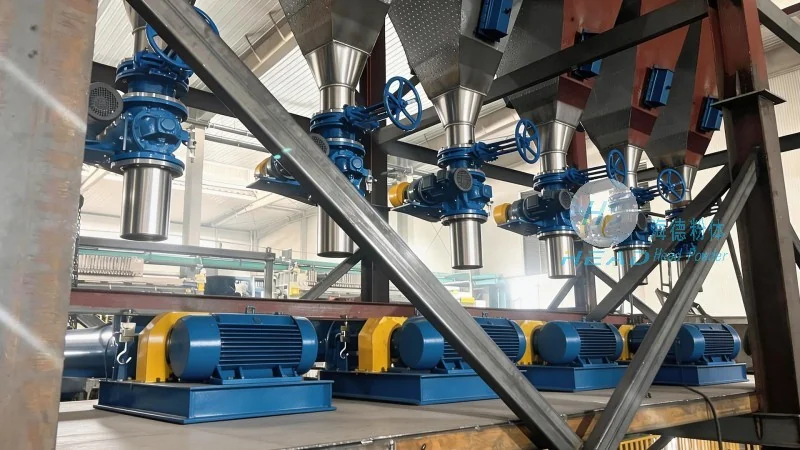
Key Characteristics of Negative Pressure Systems
Negative pressure systems are often preferred for shorter conveying distances and applications where the material is sensitive to high pressure or where the system needs to be enclosed to prevent dust emissions. These systems use vacuum pumps to create a pressure differential, typically ranging from 0.1 to 0.5 bar below atmospheric pressure. The lower pressure is gentler on the material, making it suitable for delicate or fine powders that could be damaged by high-pressure air.
Another advantage of negative pressure systems is their lower energy consumption compared to positive pressure systems. The vacuum pumps used are generally more energy-efficient, which can lead to cost savings over time. However, negative pressure systems may be more prone to blockages if the material is too fine or has high moisture content, as the low pressure may not be sufficient to fully entrain all particles. Additionally, the system requires careful maintenance to prevent dust leakage and ensure proper air filtration.
Factors to Consider When Choosing a System
When deciding between positive and negative pressure pneumatic conveying for cement powder, several factors must be evaluated. The first consideration is the distance and layout of the conveying system. Longer distances typically favor positive pressure systems due to their ability to maintain material flow with higher pressure. Shorter distances or systems with complex piping may benefit from negative pressure systems, as they are easier to install and maintain.

Material characteristics also play a crucial role. For example, if the cement powder is highly abrasive or contains large particles, a positive pressure system with durable components may be necessary to prevent wear and tear. Conversely, if the powder is fine and sensitive, a negative pressure system with gentle handling may be more appropriate to avoid material degradation.
Operational requirements, such as the need for enclosed systems to control dust emissions, can also influence the choice. Positive pressure systems often require additional filtration and containment measures to prevent dust from escaping, while negative pressure systems inherently create a sealed environment that reduces dust exposure. The cost of equipment, energy consumption, and maintenance should also be considered, as these factors can significantly impact the overall efficiency and profitability of the conveying system.
Conclusion
Choosing between positive and negative pressure pneumatic conveying for cement powder requires a careful evaluation of the specific application requirements. Positive pressure systems are generally more suitable for high-volume, long-distance transport, while negative pressure systems are better for shorter distances or applications requiring gentle handling of sensitive materials. By understanding the key characteristics and operational differences of each system, industry professionals can select the most appropriate conveying method to optimize performance, ensure material integrity, and minimize costs.
Shandong HeadPowder Engineering Co., Ltd., a leading provider of pneumatic conveying solutions, specializes in designing and manufacturing customized systems tailored to the unique needs of the cement industry. With years of experience and a commitment to quality, HeadPowder offers a range of positive and negative pressure systems that meet the highest standards of efficiency and reliability. Based in Shandong, China, HeadPowder serves clients worldwide, providing expert guidance and support to help them choose the right conveying system for their cement powder applications.