

Oat Flour Pneumatic Conveying Technology Analysis: Comparison of Positive Pressure and Negative Pres
Efficient and reliable material handling is crucial in the food processing industry, especially when dealing with delicate products like oat flour. Pneumatic conveying systems offer a solution that minimizes product contamination and damage while ensuring smooth operation. This article delves into the technical aspects of pneumatic conveying for oat flour, focusing on the comparison between positive pressure and negative pressure modes. We will explore the operational principles, advantages, and practical considerations of each method to help industry professionals make informed decisions.
Understanding Pneumatic Conveying Systems
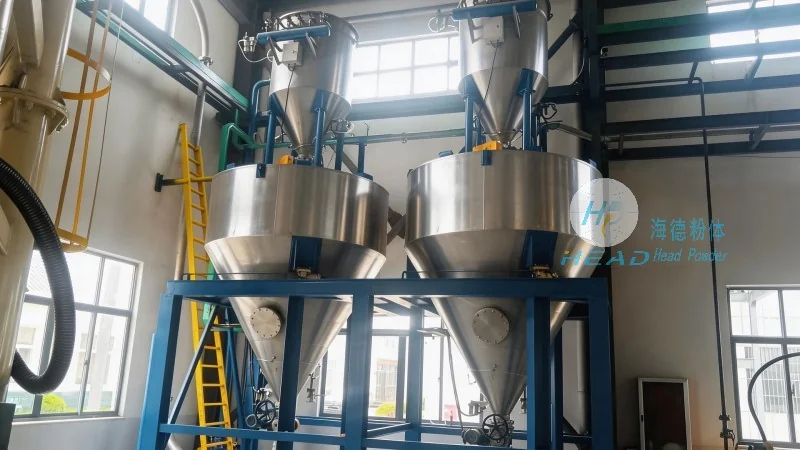
Pneumatic conveying is a method of transporting bulk materials through a pipeline using air or gas as the conveying medium. It is widely used in the food industry due to its ability to handle sensitive products without mechanical contact. The system typically consists of a hopper, a conveyor line, a control unit, and a dust collector. The choice of conveying mode—positive pressure or negative pressure—significantly impacts the system's performance, energy consumption, and suitability for specific applications.
Positive Pressure Pneumatic Conveying
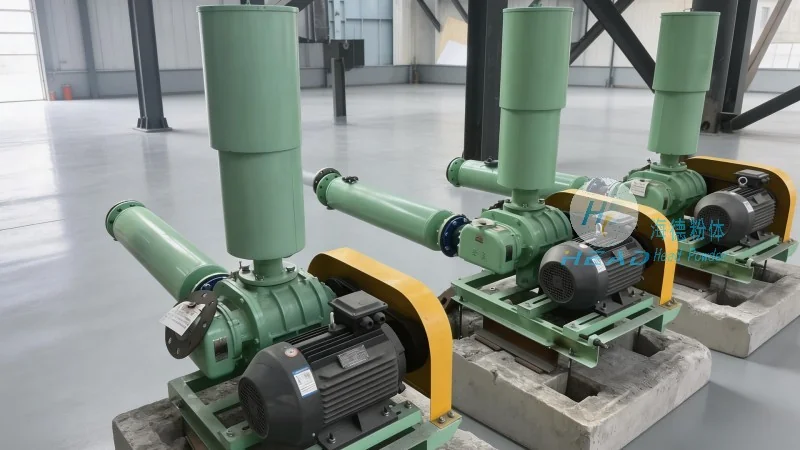
Positive pressure systems operate by blowing air into the conveying line, creating a pressure higher than the ambient air. This method is particularly effective for transporting oat flour over longer distances or through complex piping networks. The high-pressure air propels the material forward, ensuring consistent flow rates and preventing material settling. A key advantage of positive pressure is its ability to handle abrasive or sticky materials, which is relevant for oat flour processing. However, it requires more energy and may generate more noise compared to negative pressure systems. The system also needs robust seals and filters to prevent dust leakage and maintain air quality.
Negative Pressure Pneumatic Conveying
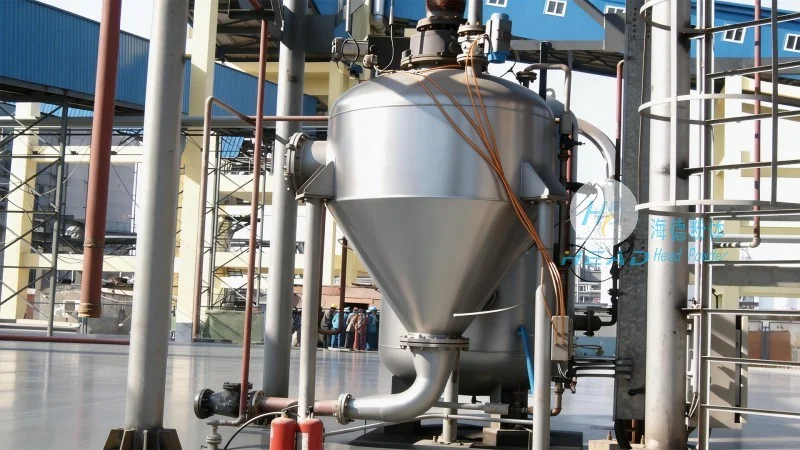
Negative pressure systems, also known as suction systems, work by creating a vacuum in the conveying line, drawing material from the source. This approach is ideal for short-distance conveying or when the material is to be collected from multiple points. The lower energy consumption and reduced noise levels make it a popular choice for indoor applications. Negative pressure systems are also less prone to material buildup in the line, as the vacuum pulls the material rather than pushing it. However, they have limitations in handling large quantities or abrasive materials, as the suction force may not be sufficient to maintain consistent flow. The system requires careful maintenance to prevent clogging and ensure efficient operation.
Comparative Analysis: Positive vs. Negative Pressure
When selecting a pneumatic conveying system for oat flour, it is essential to evaluate the specific requirements of the process. Positive pressure systems excel in long-distance and high-volume conveying, offering better control over material flow and reduced risk of clogging. They are suitable for facilities with multiple processing stages and complex layouts. On the other hand, negative pressure systems are more energy-efficient and quieter, making them ideal for indoor environments where noise and air quality are concerns. The choice also depends on the material's properties, such as moisture content and particle size, as oat flour's fine particles may require higher air velocity in positive pressure systems to prevent settling.
Key Considerations for Oat Flour Processing
For oat flour, which is a fine, dry powder, the choice of conveying mode impacts product quality and system longevity. Positive pressure systems may cause more friction and heat generation, potentially affecting the nutritional value of the flour. Negative pressure systems, while gentler, may require more frequent cleaning to prevent dust accumulation. The system design should include features like air filtration and moisture control to maintain product purity. Additionally, the material's hygroscopic nature means that the conveying system must be designed to minimize exposure to ambient air, preventing clumping and ensuring consistent quality.
HeadPowder Engineering: Expertise in Pneumatic Conveying
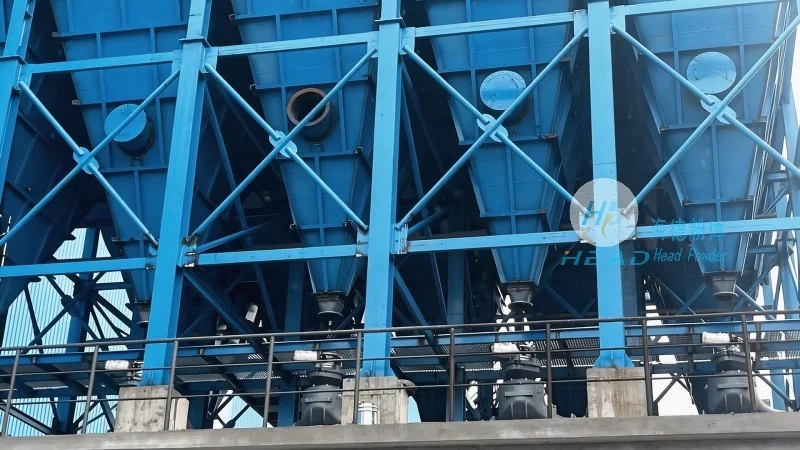
Shandong HeadPowder Engineering Co., Ltd., a leading provider of pneumatic conveying solutions, specializes in designing and manufacturing systems tailored to the needs of the food industry. With years of experience, HeadPowder understands the unique challenges of handling oat flour and other sensitive materials. The company's engineers work closely with clients to assess operational requirements, material properties, and facility constraints, ensuring the most suitable conveying mode is selected. HeadPowder's systems are equipped with advanced control technologies, ensuring efficient operation and minimal downtime. The company's commitment to quality and customer satisfaction has made it a trusted partner for food processing facilities worldwide.
Conclusion
In conclusion, both positive and negative pressure pneumatic conveying systems offer viable solutions for transporting oat flour, each with its own set of advantages and limitations. The choice depends on factors such as distance, volume, energy efficiency, and noise levels. By understanding the operational principles and practical considerations of each mode, industry professionals can select the most appropriate system for their specific needs. For reliable and efficient pneumatic conveying solutions, Shandong HeadPowder Engineering Co., Ltd. provides expert guidance and high-quality equipment, ensuring optimal performance and product integrity.