

Stone and Coal Gas-Pneumatic Conveying Technology Analysis: Comparison of Positive and Negative Pres
Gas-pneumatic conveying technology has become a crucial method for transporting bulk materials like stone and coal in various industrial applications. This technology involves using air pressure to move solid particles through a pipeline system. Understanding the different modes of operation, particularly the positive and negative pressure systems, is essential for selecting the most suitable solution for specific material handling needs. This article provides a detailed analysis of these two modes, highlighting their principles, advantages, and practical applications, with a focus on the expertise of Shandong HeadPowder Engineering Co., Ltd., a leading provider in the field.
Introduction to Gas-Pneumatic Conveying
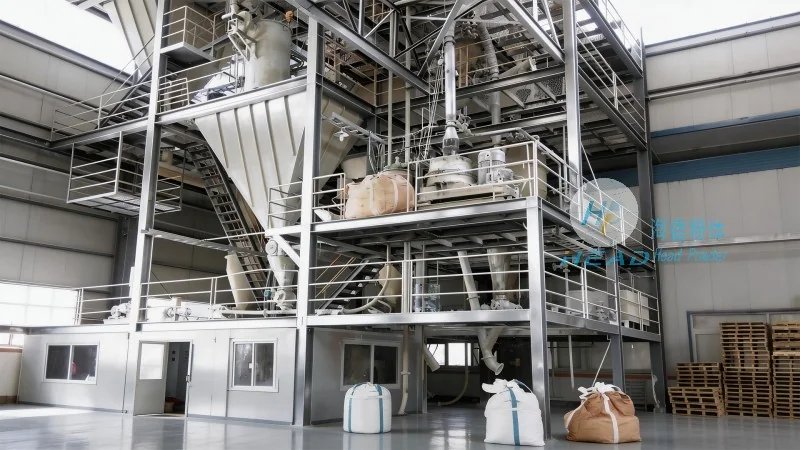
Gas-pneumatic conveying systems are widely used in industries such as mining, construction, and power generation to transport materials efficiently over long distances. The core principle is to create a pressure differential that propels the material through the pipeline using compressed air or vacuum. The choice between positive and negative pressure modes depends on factors like material characteristics, distance, and system complexity. Both methods have their unique benefits and limitations, making it important to evaluate them based on specific operational requirements. Shandong HeadPowder Engineering Co., Ltd. specializes in designing and implementing such systems tailored to client needs.
Positive Pressure Conveying Systems
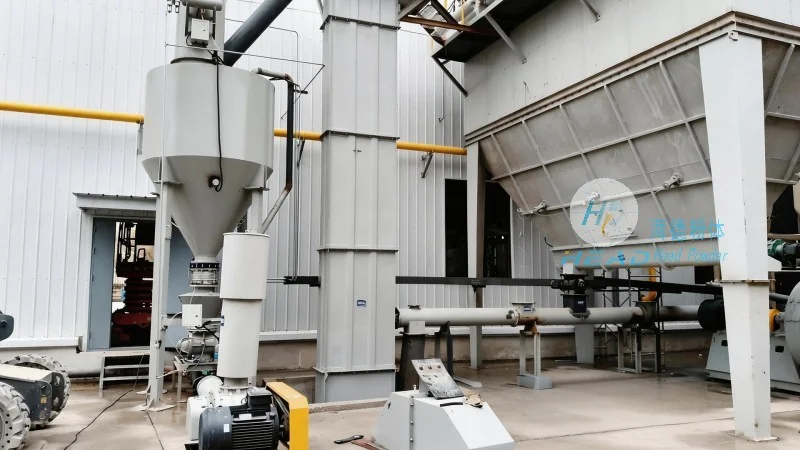
Positive pressure conveying operates by introducing compressed air into the conveying line, creating a higher pressure inside the system compared to the ambient environment. This method is particularly effective for transporting materials over long distances and through complex piping networks. The primary advantage of positive pressure systems is their ability to handle a wide range of materials, including abrasive or corrosive substances, without causing excessive wear on the equipment. Additionally, they can maintain a consistent flow rate, ensuring reliable material delivery to the destination. However, one of the main drawbacks is the potential for dust emissions, which may require additional filtration and ventilation systems to comply with environmental regulations. The team at Shandong HeadPowder Engineering Co., Ltd. designs positive pressure systems with advanced filtration to minimize environmental impact.
Negative Pressure Conveying Systems
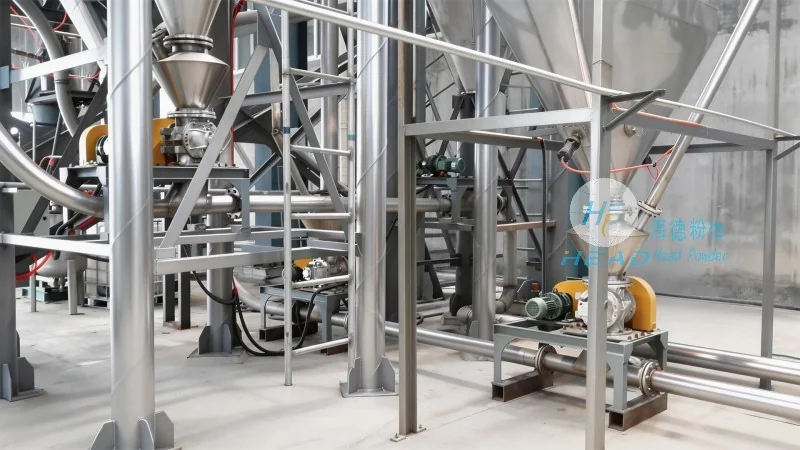
Negative pressure conveying, also known as vacuum conveying, works by creating a vacuum inside the system, drawing material into the pipeline. This mode is often preferred for shorter distances and when handling materials that are sensitive to pressure or require gentle handling. The key advantage of negative pressure systems is their lower energy consumption compared to positive pressure systems, as they do not need to generate high-pressure air. This makes them more energy-efficient and cost-effective for certain applications. Furthermore, they are generally quieter and produce less noise pollution, which can be beneficial in noise-sensitive environments. However, negative pressure systems may have limitations in handling highly abrasive or sticky materials, as the vacuum may not provide sufficient force to move them through the pipeline efficiently. Shandong HeadPowder Engineering Co., Ltd. offers vacuum systems optimized for fine materials like stone powders.
Comparison of Positive and Negative Pressure Modes
When comparing positive and negative pressure conveying systems, several factors come into play. Positive pressure systems are generally more suitable for long-distance and high-volume material transport, especially for abrasive or heavy materials. They offer better control over flow rates and can handle more complex system configurations. On the other hand, negative pressure systems excel in short-distance transport, handling delicate or fine materials, and require less energy. The choice between the two modes should be based on the specific characteristics of the material being conveyed, the distance to be covered, and the available infrastructure and budget. For instance, a mining operation transporting coal over a long distance might opt for a positive pressure system, while a small-scale construction site handling fine stone powders might choose a negative pressure system. Shandong HeadPowder Engineering Co., Ltd. assists clients in making informed decisions based on these factors.
Key Considerations for Implementation
Implementing a gas-pneumatic conveying system requires careful consideration of several technical and operational factors. The selection of the appropriate mode (positive or negative pressure) is the first critical step. Other considerations include the material's density, particle size, and moisture content, as these can affect the system's performance and efficiency. The design of the pipeline, including the diameter and length, also plays a significant role in determining the system's effectiveness. Additionally, the choice of components such as air compressors, filters, and material feeders must align with the chosen mode to ensure optimal operation. Regular maintenance and monitoring are essential to prevent system failures and ensure consistent performance over time. Shandong HeadPowder Engineering Co., Ltd. provides comprehensive support from system design to installation and maintenance.