

Advantages and Disadvantages of Negative Pressure and Positive Pressure Pneumatic Conveying for Magn
When it comes to the pneumatic conveying of magnesium oxide, selecting the right method is crucial for efficiency, cost-effectiveness, and operational safety. Two primary approaches dominate the industry: negative pressure (or vacuum) conveying and positive pressure conveying. Each method has its own set of advantages and disadvantages, which can significantly impact the overall performance of a material handling system. This article provides a detailed comparison of these two methods, focusing on their applications, benefits, and drawbacks in the context of magnesium oxide transport.

HeadPowder, a leading provider of material handling solutions, specializes in designing and implementing efficient conveying systems for various industrial applications. With a strong presence in Shandong, China, the company leverages its expertise to deliver tailored solutions that meet the specific needs of clients in the chemical and industrial sectors. The information presented here reflects the company's technical insights and practical experience in the field of pneumatic conveying.
Negative Pressure (Vacuum) Pneumatic Conveying: Advantages and Challenges
Negative pressure conveying operates by creating a vacuum in the conveying line, which draws the material from the source to the destination. This method is particularly effective for applications where the material needs to be transported over relatively short distances or where the material is sensitive to pressure changes. One of the key advantages of negative pressure conveying is its ability to handle materials that are prone to dust generation or those that require a gentle handling process. The vacuum environment helps to minimize dust dispersion, making it suitable for applications where air quality is a concern. Additionally, negative pressure systems are often more energy-efficient for short-distance transport, as they require less power to maintain the vacuum compared to positive pressure systems.
However, negative pressure conveying also comes with several challenges. The main drawback is its limited range, as the vacuum effect diminishes over longer distances, making it unsuitable for transporting materials over more than a few hundred meters. This limitation can increase the number of transfer points and equipment, leading to higher installation and maintenance costs. Another challenge is the risk of backflow or material leakage, especially when the system is not properly sealed. This can result in material loss and increased operational downtime. Furthermore, negative pressure systems may require more complex filtration and air cleaning systems to maintain air quality, adding to the overall cost and complexity of the setup.
Positive Pressure Pneumatic Conveying: Benefits and Limitations
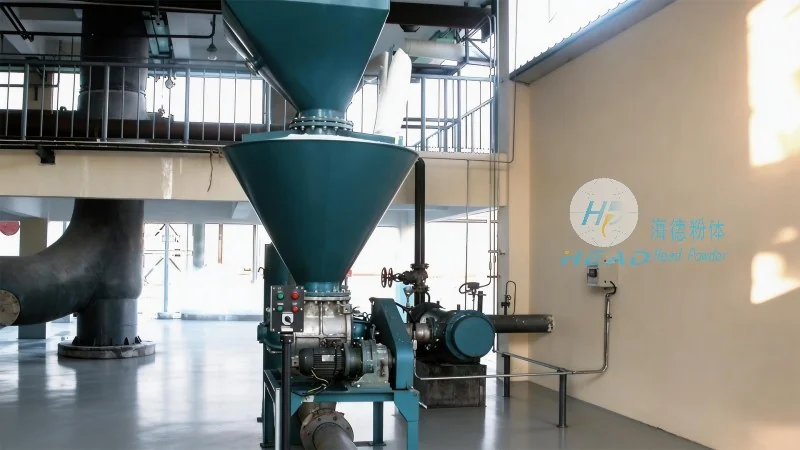
Positive pressure conveying, on the other hand, uses compressed air to push the material through the conveying line. This method is ideal for longer-distance transport and for materials that are less sensitive to pressure changes. The primary benefit of positive pressure systems is their ability to handle longer distances without significant loss of conveying efficiency. They are particularly suitable for applications where the material needs to be transported over several hundred meters or even kilometers. Another advantage is the ability to handle a wider range of materials, including those with higher moisture content or those that are more abrasive. Positive pressure systems also offer better control over the flow rate and pressure, allowing for more precise material handling.
Despite these benefits, positive pressure conveying has its own set of limitations. The most significant drawback is the higher energy consumption compared to negative pressure systems, especially for long-distance transport. The need for compressed air generation and distribution increases operational costs and may require additional infrastructure. Another challenge is the potential for dust dispersion and air pollution, as the compressed air can carry fine particles over longer distances. This may require more robust filtration systems and increased maintenance to ensure compliance with environmental regulations. Additionally, positive pressure systems may be more prone to clogging, especially with materials that have high moisture content or are prone to agglomeration, leading to increased downtime for cleaning and maintenance.
Comparison and Selection Criteria
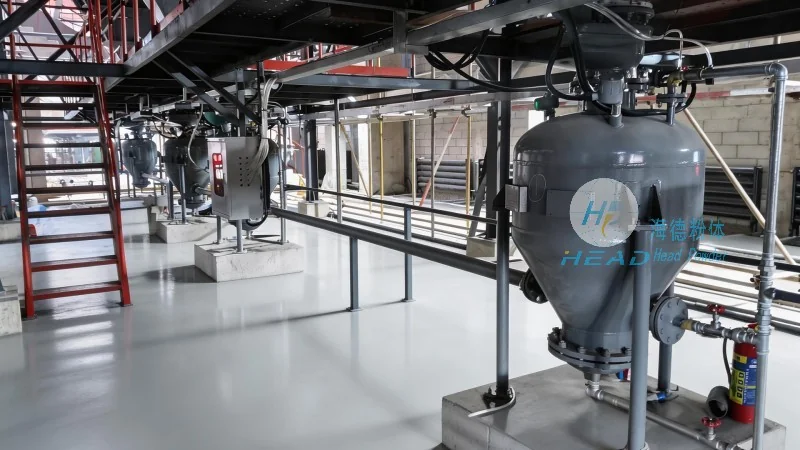
When deciding between negative pressure and positive pressure pneumatic conveying for magnesium oxide, several factors should be considered. The most critical factor is the distance between the source and destination. For short distances (typically less than 100 meters), negative pressure conveying is often more cost-effective and efficient. For longer distances (over 100 meters), positive pressure conveying is generally preferred due to its ability to maintain conveying efficiency over greater distances. The material properties of magnesium oxide also play a role. If the material is highly dust-sensitive or prone to agglomeration, negative pressure conveying may be more suitable to minimize pressure variations and maintain material integrity. Conversely, if the material is less sensitive and needs to be transported over longer distances, positive pressure conveying offers better performance and reliability.
Operational costs and energy efficiency are also key considerations. Negative pressure systems are generally more energy-efficient for short distances, while positive pressure systems may be more cost-effective for long distances despite higher energy consumption. Maintenance requirements and system complexity are other factors to weigh. Negative pressure systems may require more frequent maintenance of vacuum pumps and filtration systems, while positive pressure systems may need more attention to compressed air quality and system seals.
HeadPowder, with its expertise in material handling, can provide tailored solutions that consider these factors and help clients select the most appropriate pneumatic conveying method for their specific magnesium oxide transport needs. By understanding the advantages and disadvantages of each approach, businesses can optimize their material handling processes, reduce costs, and improve overall operational efficiency.