

Types, Features, and Application Ranges of Glass Fiber Pneumatic Conveying
Glass fiber pneumatic conveying systems represent a specialized category of material handling equipment designed to transport bulk materials through a pipeline using air or gas as the conveying medium. This technology is particularly valued for its ability to handle materials that are abrasive, corrosive, or sensitive to contamination, making it a preferred solution in industries where traditional mechanical conveying methods may be unsuitable. The systems are constructed primarily from glass fiber-reinforced polymer (FRP) components, which offer exceptional resistance to chemical attack, thermal stress, and mechanical wear.
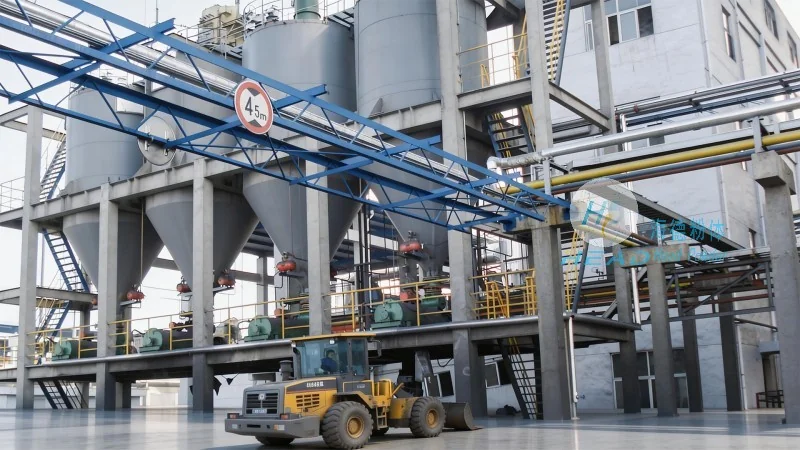
Key Features of Glass Fiber Pneumatic Conveying
One of the most significant advantages of glass fiber pneumatic conveying is its corrosion resistance. The FRP materials used in the construction of the pipeline, ducts, and other components can withstand exposure to a wide range of aggressive chemicals, including acids, alkalis, and solvents. This makes the system ideal for applications involving hazardous or corrosive materials, such as in the chemical processing, pharmaceutical, and food industries. Additionally, glass fiber systems are lightweight yet highly durable, allowing for easier installation and maintenance compared to traditional metal or stainless steel alternatives. Their non-conductive properties also enhance safety in environments where electrical hazards are a concern.
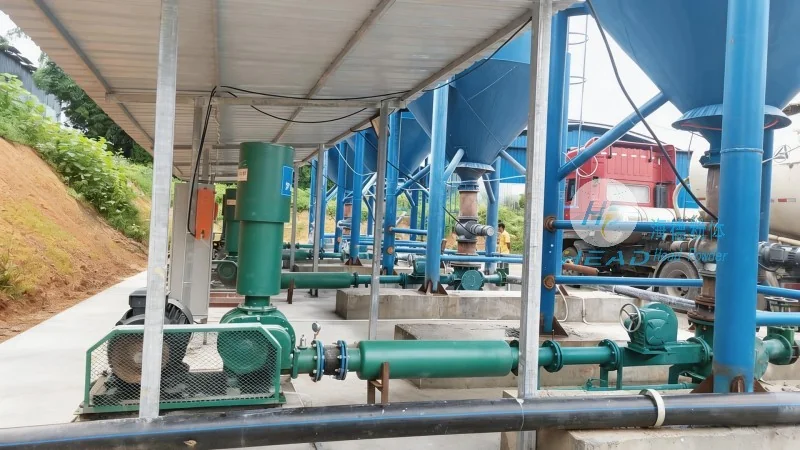
Types of Glass Fiber Pneumatic Conveying Systems
There are several common types of glass fiber pneumatic conveying systems, each tailored to specific operational requirements and material characteristics. The primary categories include:
- Absorptive (Suction) Systems: These systems use a vacuum to draw material from a hopper or storage bin into the conveying line. They are typically used for short-distance transport and are effective for handling materials that are free-flowing or have a relatively low bulk density. The vacuum source is usually a rotary lobe blower or a positive displacement blower, which creates the necessary suction pressure.
- Pressurized (Blow) Systems: In contrast to suction systems, pressurized systems use compressed air to push material through the pipeline. This method is suitable for longer distances and higher material loads, as the higher pressure can maintain the flow of more viscous or heavier materials. The compressed air is supplied by an air compressor, and the system operates under positive pressure, preventing contamination from external air.
- Mixed (Suction-Blow) Systems: These systems combine elements of both suction and pressurized operation, offering greater flexibility in material handling. They can start with a suction phase to draw material into the line and then switch to a pressurized phase to transport it to the destination. This hybrid approach is beneficial for applications requiring both short and long-distance transport within the same system.
Application Ranges of Glass Fiber Pneumatic Conveying
Glass fiber pneumatic conveying systems find extensive applications across various industries due to their versatility and durability. Some of the key application areas include:
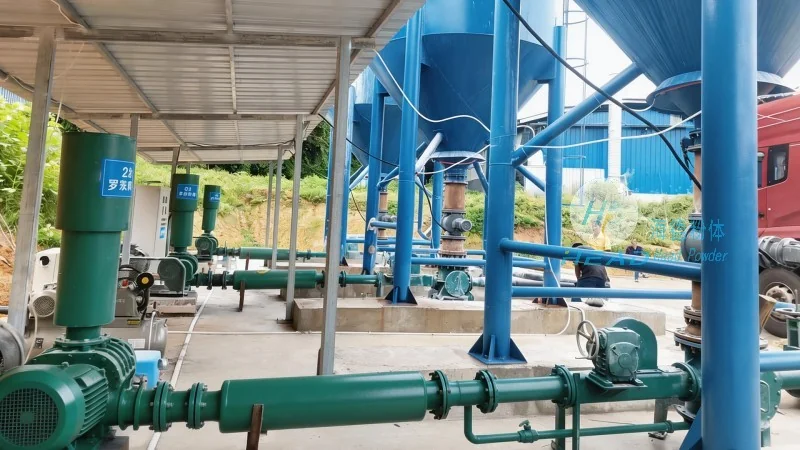
- Chemical Processing: In chemical plants, these systems are used to transport corrosive powders, slurries, and granules. Examples include the handling of acids, bases, and other hazardous chemicals, where the FRP components prevent chemical degradation and ensure system longevity.
- Pharmaceutical and Food Industries: The non-porous and hygienic nature of glass fiber materials makes them suitable for applications involving pharmaceutical powders, food additives, and other products that require strict contamination control. The systems can be designed to meet regulatory standards for cleanliness and safety.
- Mineral and Mining: In mining operations, glass fiber pneumatic conveying is used to transport abrasive minerals, ores, and tailings. The durability of the FRP components allows them to withstand the harsh conditions of mining environments, including high temperatures and mechanical stress.
- Environmental and Waste Management: These systems are employed in the handling of waste materials, such as fly ash, sludge, and other byproducts. The corrosion resistance of glass fiber ensures that the system can operate effectively in environments with high levels of moisture and chemical residues.
Conclusion and Company Information
Shandong HeadPowder Engineering Co., Ltd., a leading manufacturer based in China, specializes in the design, manufacturing, and installation of glass fiber pneumatic conveying systems. With a focus on quality and innovation, the company provides customized solutions tailored to the specific needs of each client. The systems offered by HeadPowder are engineered to meet the highest standards of performance, reliability, and safety, ensuring long-term operational efficiency and minimal maintenance costs. HeadPowder's expertise in FRP technology and material handling solutions makes them a trusted partner for industries seeking durable and effective pneumatic conveying solutions. The company's facilities are located in Shandong, China, where they leverage advanced manufacturing processes and skilled engineering teams to deliver superior products to global markets.