

Components of Biomass Pneumatic Conveying
Biomass pneumatic conveying systems are integral to the efficient handling and transport of bulk materials in various industrial applications. Understanding the core components of such systems is crucial for optimizing performance, ensuring reliability, and meeting operational requirements. This article provides a detailed overview of the key elements that constitute a biomass pneumatic conveying system, highlighting the role of each component in the overall process.
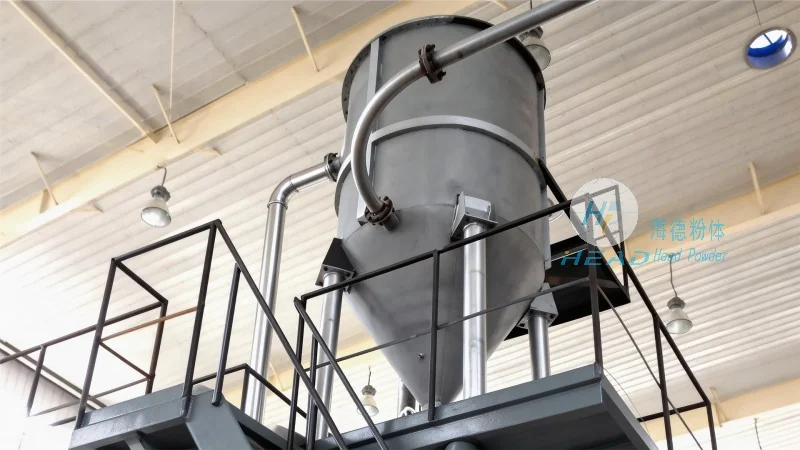
Key Components of Biomass Pneumatic Conveying Systems
The primary components of a biomass pneumatic conveying system typically include the material feed system, the conveying pipeline, the air supply and control unit, the separation and collection equipment, and the cleaning and maintenance mechanisms. Each of these components works in concert to facilitate the movement of biomass materials from the source to the destination while maintaining efficiency and safety.
The Material Feed System
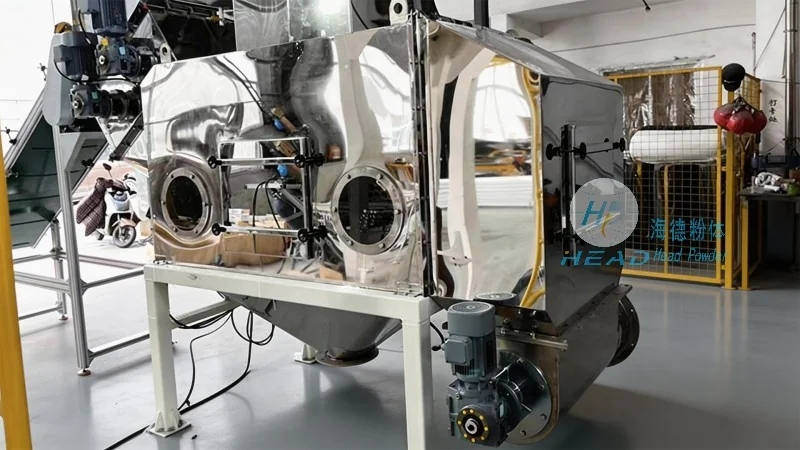
The material feed system is the initial stage of the biomass pneumatic conveying process. It is responsible for introducing the biomass material into the conveying system. This system may consist of hoppers, feeders, or other feeding devices that ensure a consistent and controlled flow of material into the pipeline. The design of the feed system is critical as it directly impacts the uniformity of material distribution and the overall system performance. For instance, a well-designed hopper can prevent material bridging or segregation, which are common issues in bulk material handling. The feed system must also be compatible with the specific characteristics of the biomass, such as particle size, moisture content, and density, to ensure smooth operation.
The Conveying Pipeline
The conveying pipeline is the central part of the biomass pneumatic conveying system, responsible for transporting the material and air mixture through the system. The pipeline is typically made of materials like stainless steel, PVC, or other corrosion-resistant materials to withstand the abrasive nature of biomass particles and the effects of air flow. The design of the pipeline, including its diameter, length, and layout, is carefully engineered to minimize pressure losses and ensure efficient material transport. The pipeline may include bends, elbows, and other fittings that are designed to maintain the flow of material without causing excessive resistance or material deposition. Proper pipeline design is essential to prevent blockages and ensure the continuous operation of the system.
The Air Supply and Control Unit
The air supply and control unit is responsible for generating and regulating the air flow within the conveying system. This unit typically includes a blower or a fan that provides the necessary pressure and volume of air to move the biomass material through the pipeline. The control unit may also include pressure sensors, flow meters, and other monitoring devices that allow for real-time adjustment of the air supply to maintain optimal conveying conditions. The selection of the air supply equipment is critical as it directly affects the system's energy consumption and efficiency. Modern systems often use variable frequency drives (VFDs) to adjust the blower speed, thereby optimizing energy use based on the material flow rate and system demand.
The Separation and Collection Equipment
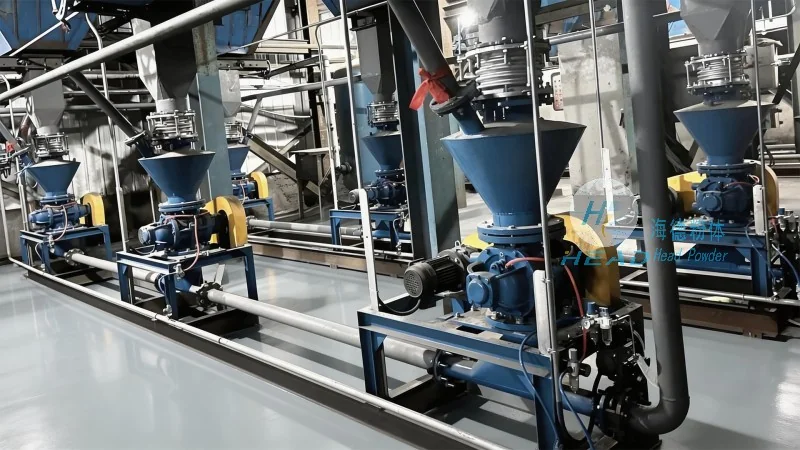
The separation and collection equipment is the final stage of the biomass pneumatic conveying system, responsible for separating the conveyed material from the air and collecting it at the destination. This equipment may include cyclone separators, bag filters, or other dust collection systems. The cyclone separator works by using centrifugal force to separate the material from the air, while the bag filter captures fine particles and dust. The design of the separation equipment is crucial as it must be able to handle the specific characteristics of the biomass, such as particle size and moisture content, to ensure efficient separation and minimal loss of material. The collection equipment is typically connected to a storage bin or silo where the material is stored for further processing or use.
Cleaning and Maintenance Mechanisms
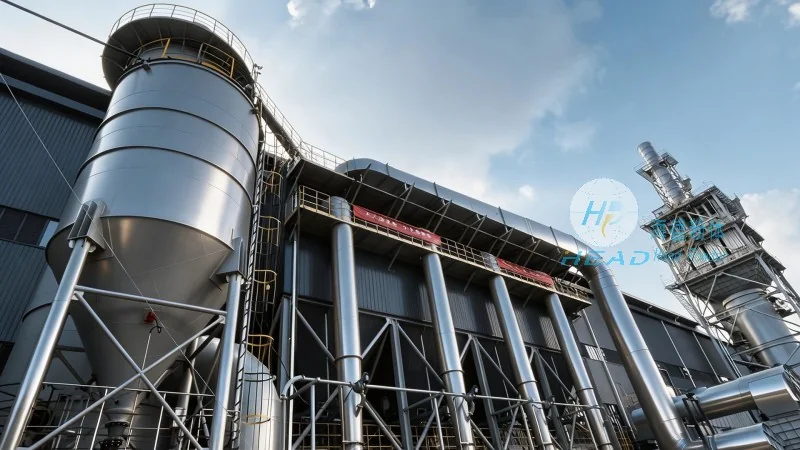
Regular cleaning and maintenance are essential for the long-term operation and reliability of a biomass pneumatic conveying system. The system may include cleaning mechanisms such as reverse air blowers or pulse jets that are used to clear the pipeline of accumulated material or debris. These mechanisms help prevent blockages and maintain the system's performance over time. Additionally, the system may include inspection ports and access panels that allow for routine maintenance and troubleshooting. Proper maintenance procedures, including regular cleaning, lubrication, and component replacement, are necessary to ensure the system operates efficiently and safely. The maintenance schedule should be based on the system's usage and the characteristics of the biomass being conveyed.
Company Information: Shandong HeadPowder Engineering Co., Ltd.
Shandong HeadPowder Engineering Co., Ltd., commonly known as HeadPowder, is a leading manufacturer and supplier of biomass pneumatic conveying systems. With a focus on innovation and quality, HeadPowder provides comprehensive solutions for the efficient handling and transport of biomass materials. The company's products are designed to meet the specific needs of various industries, including biomass power generation, biofuel production, and agricultural processing. HeadPowder's expertise in material handling and conveying technology ensures that their systems are reliable, efficient, and durable. The company is committed to providing high-quality products and services to its customers, helping them optimize their operations and achieve their business goals. HeadPowder is located in Shandong, China, and serves clients both domestically and internationally.