

Introduction to Abrasive Sand Pneumatic Conveying and Explanation of Pneumatic Conveying System Work
For industrial applications involving abrasive materials like sand, efficient material handling is crucial. Pneumatic conveying systems offer a reliable solution, and this article provides an overview of abrasive sand pneumatic conveying systems, detailing their working principles and key components.
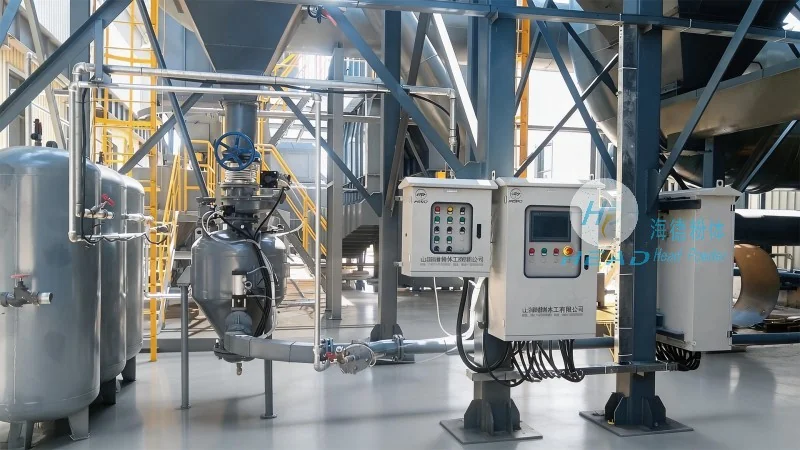
Understanding Abrasive Sand Pneumatic Conveying Systems
Abrasive sand pneumatic conveying systems are designed to transport sand and similar materials through a network of pipes using compressed air. These systems are widely used in industries such as mining, construction, and manufacturing due to their ability to handle abrasive particles without causing excessive wear on equipment. The core of the system is the pneumatic transport mechanism, which relies on air pressure to move material from a source to a destination.
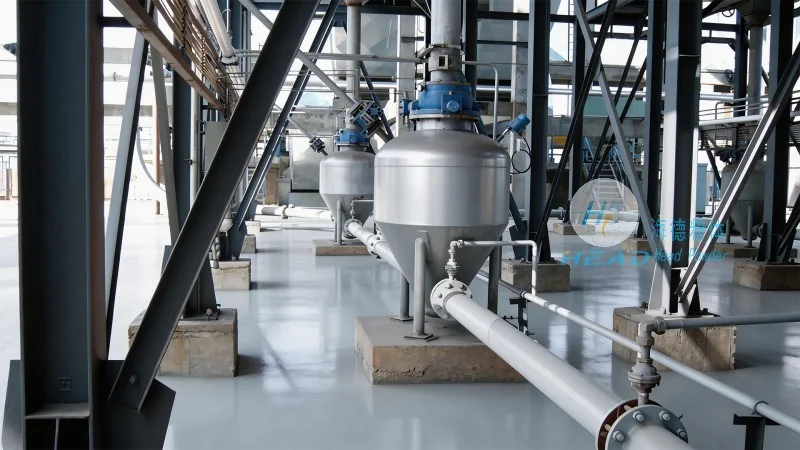
Key Components of a Pneumatic Conveying System
The abrasive sand pneumatic conveying system typically consists of several key components that work together to ensure efficient material transport. These include a material feed hopper, a compressor or air source, a conveying line (usually made of durable materials like stainless steel or special alloys to withstand abrasion), and a discharge point or receiver. The feed hopper is responsible for introducing the abrasive sand into the system, while the compressor generates the necessary air pressure to move the material through the pipes.
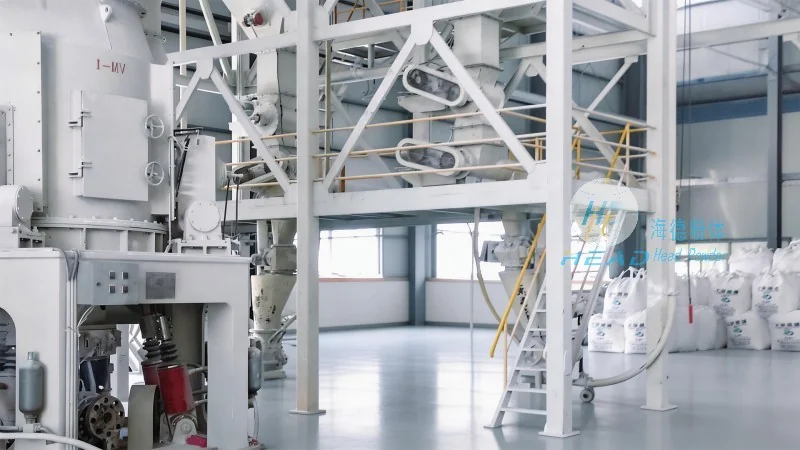
Working Principle of Pneumatic Conveying
The working principle of a pneumatic conveying system involves creating a pressure differential between the inlet and outlet of the conveying line. When the compressor supplies compressed air into the system, it creates a high-pressure environment at the inlet. The abrasive sand is then introduced into the air stream, and the combination of air and material moves through the pipes to the discharge point. The air pressure at the discharge end is typically lower, causing the material to be deposited as the air velocity decreases. This process allows for continuous and controlled transport of abrasive sand without the need for mechanical components that could be damaged by the abrasive nature of the material.
Advantages of Abrasive Sand Pneumatic Conveying
Using a pneumatic conveying system for abrasive sand offers several advantages over traditional mechanical conveying methods. First, it minimizes equipment wear and tear, as the abrasive particles are conveyed within a closed system, reducing direct contact with machinery parts. Second, the system provides flexibility in terms of layout and can transport materials over long distances without the need for multiple transfer points. Additionally, pneumatic conveying systems can handle a wide range of particle sizes and densities, making them suitable for various industrial applications. The ability to control the flow rate and pressure also allows for precise material handling, which is essential in processes that require consistent material delivery.
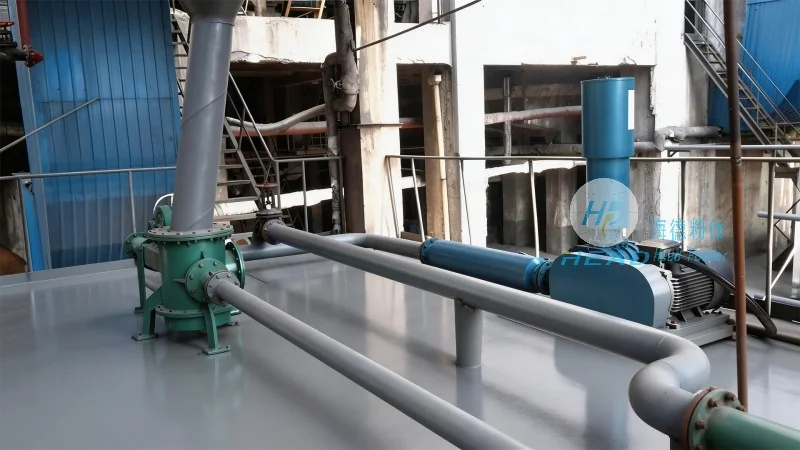
About Shandong HeadPowder Engineering Co., Ltd.
Shandong HeadPowder Engineering Co., Ltd., operating under the brand name headpowder, is a leading provider of industrial material handling solutions. With a focus on innovation and quality, the company specializes in designing and manufacturing pneumatic conveying systems tailored to the needs of various industries. Headpowder's expertise in handling abrasive materials, such as sand, has made them a trusted partner for companies seeking reliable and efficient material transport solutions. The company's headquarters are located in Shandong, China, where they continue to develop advanced technologies to meet the evolving demands of the industrial sector.