

What is Calcite Pneumatic Conveying Equipment? An Introduction to the Structure and Principle of Pow
Calcite, a widely used mineral in various industries, often requires efficient and reliable handling methods for its powder form. Pneumatic conveying equipment has emerged as a critical solution for transporting calcite and other fine powders. This article delves into the structure and working principle of calcite pneumatic conveying equipment, highlighting its key components and benefits.
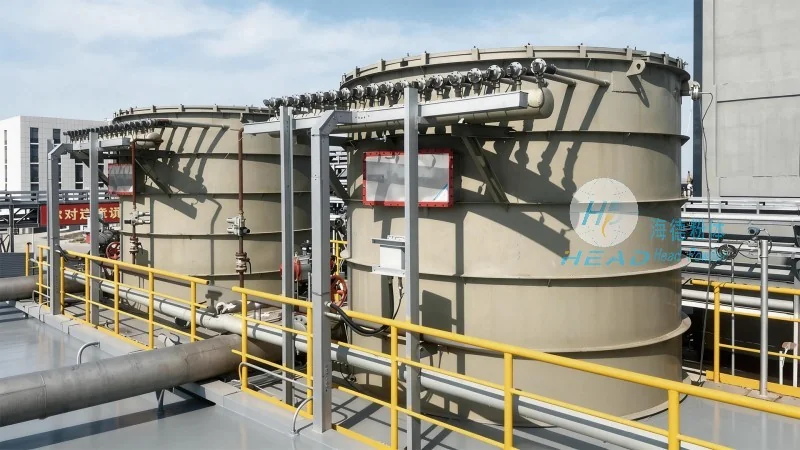
The Structure and Working Principle of Calcite Pneumatic Conveying Equipment
Pneumatic conveying systems for calcite typically consist of several interconnected components designed to transport the material from a source to a destination. The core structure includes a feeding unit, a conveying pipeline, a separation system, and a gas source. Each part plays a vital role in ensuring the smooth and efficient movement of calcite powder.
Key Components and Their Functions
The feeding unit is responsible for introducing calcite powder into the system. Common feeding devices include star valves or screw conveyors, which control the flow rate and prevent material backflow. The conveying pipeline, usually made of stainless steel or plastic, transports the powder mixture with air. The separation system, such as a cyclone separator or bag filter, separates the calcite powder from the air stream, allowing the powder to be collected and the air to be recycled. The gas source, typically a centrifugal or positive displacement blower, provides the necessary air pressure and volume to drive the conveying process. Each component is carefully designed to handle the unique properties of calcite, such as its fine particle size and potential for static electricity, ensuring optimal performance and reliability.
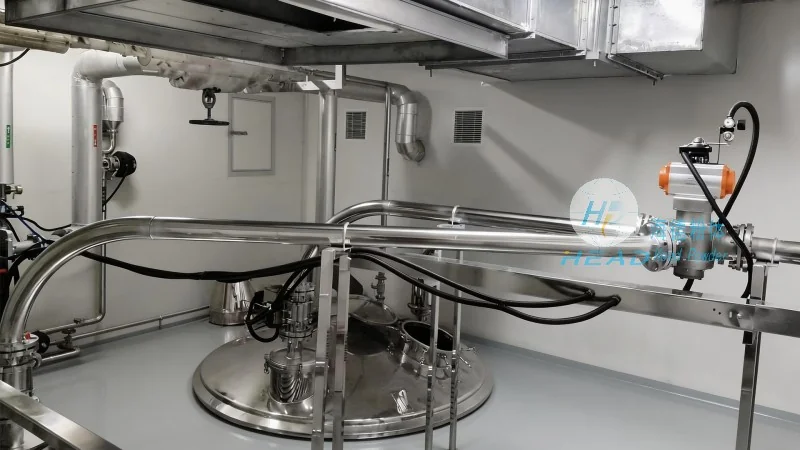
Advantages of Pneumatic Conveying for Calcite Handling
Using pneumatic conveying for calcite offers several advantages over traditional methods. It eliminates the need for mechanical components like belts or buckets, reducing maintenance costs and wear. The system is also capable of handling calcite in a dust-free environment, minimizing health hazards and contamination risks. Additionally, pneumatic conveying can transport calcite over long distances with high efficiency, making it suitable for large-scale industrial applications. The technology also allows for better control over the material's moisture content and temperature, which is crucial for maintaining product quality.
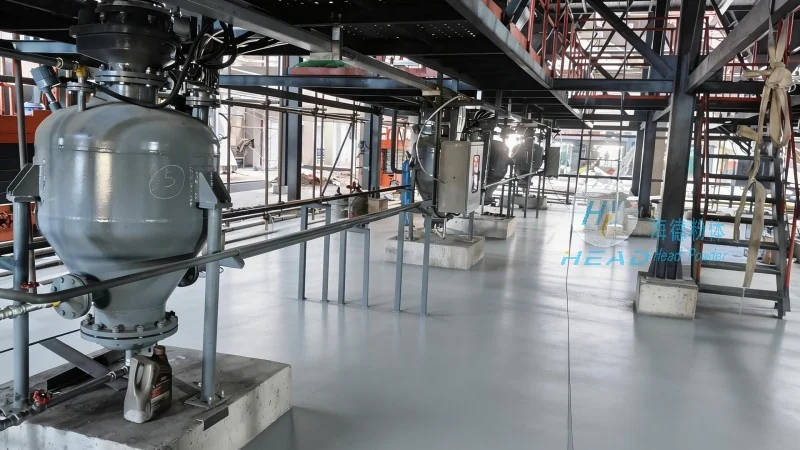
Application Scenarios and Industry Relevance
Calcite pneumatic conveying equipment is widely used in industries such as construction, chemical manufacturing, and food processing. In the construction industry, calcite is used as a filler in cement and concrete, and the conveying system ensures consistent quality and reduced downtime. In chemical manufacturing, calcite is processed into various products, and the efficient transport of powder is crucial for production continuity. The food industry also benefits from this technology, as it allows for the safe and hygienic handling of calcite used as a food additive. Furthermore, the system's ability to handle calcite in a closed loop reduces environmental impact and complies with regulatory standards.
Shandong HeadPowder Engineering Co., Ltd., a leading manufacturer in the field, specializes in designing and producing calcite pneumatic conveying equipment tailored to the specific needs of clients. With years of experience and a commitment to quality, HeadPowder provides reliable solutions that enhance productivity and safety in calcite handling operations. The company's expertise in material handling technology ensures that each system is optimized for the unique characteristics of calcite, delivering consistent performance and longevity.