

What is a Sand and Gravel Pneumatic Conveying Equipment? Introduction to the Structure and Principle
For industries dealing with bulk materials like sand, gravel, and other granular substances, efficient material handling is crucial for maintaining productivity and operational efficiency. A key solution in this regard is the sand and gravel pneumatic conveying equipment, which utilizes air as the medium to transport materials over long distances without the need for mechanical components like belts or buckets. This equipment is a vital component in various sectors, including construction, mining, and manufacturing, where the movement of bulk materials is a daily necessity.
The Core Components and Structure of Pneumatic Conveying Systems
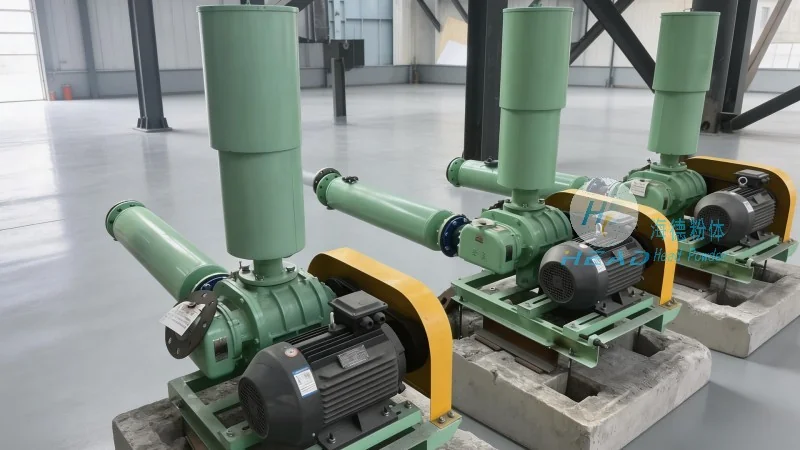
At the heart of any pneumatic conveying system lies a series of interconnected components that work in harmony to ensure smooth material transport. The primary components include the material hopper, where the bulk material is stored; the air compressor or blower, which generates the necessary air pressure; the conveying line, typically made of metal or flexible tubing; and the receiver or discharge hopper, where the material is deposited at the destination. In addition to these main components, auxiliary elements such as filters, cyclones, and pressure regulators are often integrated to maintain system efficiency and prevent material degradation.
How Pneumatic Conveying Works: The Principle of Operation
The operation of a sand and gravel pneumatic conveying system is based on the principle of creating a pressure differential between the material hopper and the discharge point. The air compressor draws in ambient air and compresses it to a specific pressure, which is then introduced into the conveying line. As the compressed air flows through the line, it creates a flow that pulls the material from the hopper into the line. The material is then carried along with the air stream to the receiver, where the air is separated from the material through a cyclone or filter. This separation process allows the material to be discharged cleanly, while the air is either recirculated or vented to the atmosphere.
Advantages of Using Pneumatic Conveying for Sand and Gravel Transport
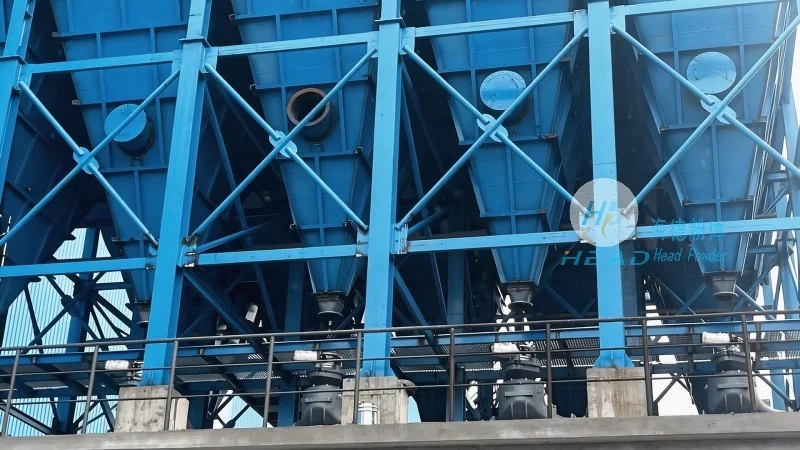
Compared to traditional mechanical conveying methods, pneumatic conveying offers several advantages that make it an attractive choice for many applications. One of the most significant benefits is the ability to transport materials over long distances without the need for multiple transfer points or complex infrastructure. This reduces the risk of material spillage and contamination, which is particularly important for materials like sand and gravel that are often used in construction and other sensitive applications. Additionally, pneumatic conveying systems are generally more compact and easier to install than traditional systems, making them suitable for both new and existing facilities.
Applications of Sand and Gravel Pneumatic Conveying Equipment
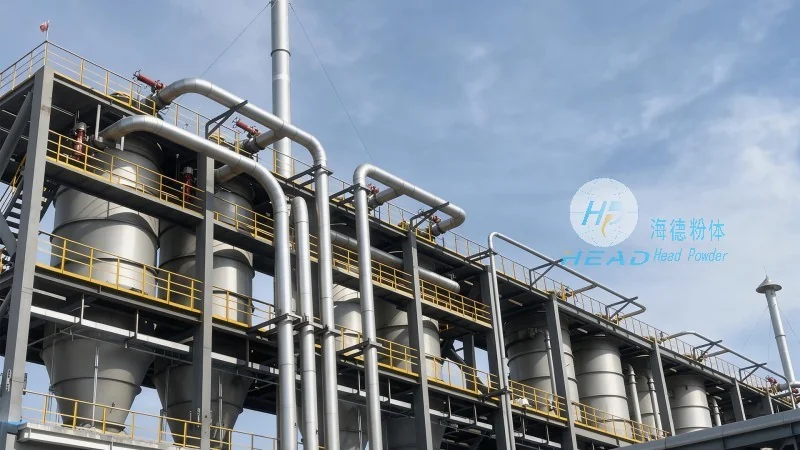
The versatility of sand and gravel pneumatic conveying equipment makes it suitable for a wide range of applications across different industries. In the construction industry, these systems are commonly used to transport sand, gravel, and other aggregates from storage silos to mixing plants or job sites. In mining operations, they are used to move ore and other bulk materials from processing facilities to storage areas or for further processing. The equipment is also used in the manufacturing sector, where it can transport raw materials like sand to production lines or move finished products like concrete mixtures to storage or shipping areas.
Customization and Maintenance of Pneumatic Conveying Systems
Given the diverse nature of materials and operational requirements, pneumatic conveying systems are often customized to meet specific needs. Factors such as material size, density, and moisture content, as well as the distance and height of the transport, are considered when designing a system. This customization ensures optimal performance and efficiency. Regular maintenance is also crucial to keep the system running smoothly. This includes checking air compressor performance, cleaning filters and cyclones, and inspecting the conveying line for any signs of wear or damage. Proper maintenance not only extends the lifespan of the equipment but also ensures consistent material quality and transport efficiency.