

Glucose Pneumatic Conveying Equipment: Structure and Working Principles of Powder Handling Systems
Glucose, a vital carbohydrate used extensively in the food, pharmaceutical, and chemical industries, requires efficient and reliable handling solutions. Pneumatic conveying systems have emerged as a preferred method for transporting glucose and other fine powders due to their ability to handle delicate materials while maintaining hygiene and process efficiency. This article provides an in-depth look at the structure and working principles of glucose pneumatic conveying equipment, highlighting the key components and operational mechanisms that enable smooth powder transport. The information is presented by Shandong HeadPowder Engineering Co., Ltd., a leading manufacturer of powder handling systems based in China.

Introduction to Glucose Pneumatic Conveying Systems
Pneumatic conveying systems utilize compressed air or other gases to transport bulk materials like glucose through a network of pipes. Unlike mechanical conveying methods, which rely on physical contact and friction, pneumatic systems offer a non-contact, low-damage approach that is ideal for handling sensitive powders. The core advantage of these systems lies in their ability to maintain product integrity, prevent contamination, and ensure consistent flow rates, making them indispensable in industries where quality control is paramount.
Key Components of Glucose Pneumatic Conveying Equipment
The glucose pneumatic conveying system consists of several critical components that work in tandem to achieve efficient material transport. The primary components include the material feed hopper, the air supply system (typically a blower or compressor), the conveying line (pipes), and the discharge unit. Each component plays a vital role in the overall operation of the system.
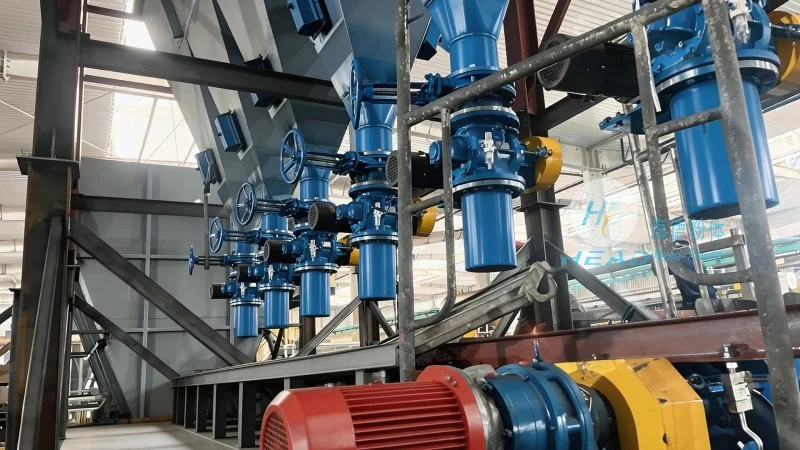
1. Material Feed Hopper: This component is responsible for storing and feeding the glucose powder into the conveying line. The hopper is designed with a smooth interior to minimize material buildup and ensure consistent flow. It often includes a rotary valve or a gate valve to control the discharge rate, preventing overloading or underloading of the system.
2. Air Supply System: The air supply system provides the necessary pressure and volume of air to move the glucose particles through the pipes. This system typically includes a blower or a compressor, which generates the required airflow. The air is filtered and regulated to ensure it meets the purity standards required for handling food-grade materials like glucose.
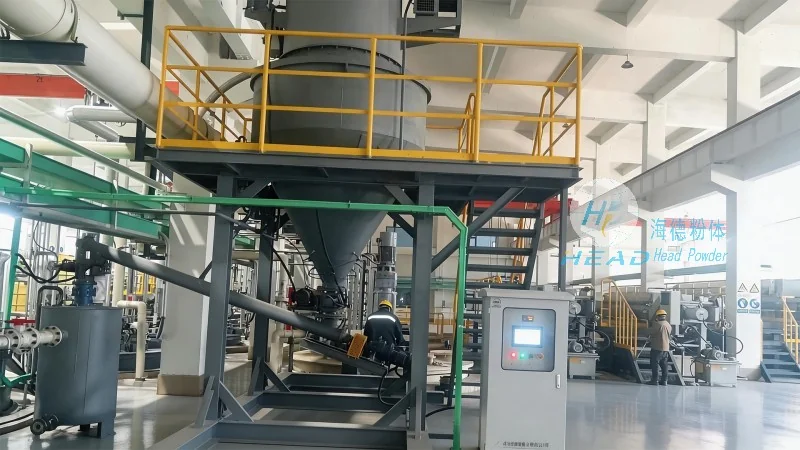
3. Conveying Line: The conveying line is the main channel through which the glucose travels. It is usually made of stainless steel or other corrosion-resistant materials to withstand the chemical properties of the powder and maintain hygiene. The line is equipped with bends, elbows, and straight sections to guide the material to the desired destination. The design of the line, including the diameter and length, is optimized to minimize pressure drop and ensure efficient transport.
4. Discharge Unit: The discharge unit is where the glucose is released from the conveying line. It may include a rotary valve, a bagging unit, or a storage silo, depending on the application. The unit is designed to control the flow of material and prevent backflow, ensuring that the material is delivered to the target location without spillage or contamination.
Working Principle of Glucose Pneumatic Conveying
The operation of a glucose pneumatic conveying system involves several steps that ensure the smooth transport of the powder. The process begins with the material being fed from the hopper into the conveying line. Simultaneously, compressed air is introduced into the line, creating a pressure differential that propels the glucose particles forward. The air and powder mixture travels through the pipes, with the air providing the necessary force to overcome friction and gravity.
As the mixture moves through the system, it may encounter bends or changes in direction. The design of the conveying line, including the use of special fittings and airlocks, helps to maintain the flow and prevent material deposition. The air and powder are then separated at the discharge unit, where the air is typically filtered and recycled, while the glucose is collected for further processing or packaging.
Advantages of Glucose Pneumatic Conveying Equipment
Glucose pneumatic conveying systems offer several advantages over traditional mechanical conveying methods. These include:
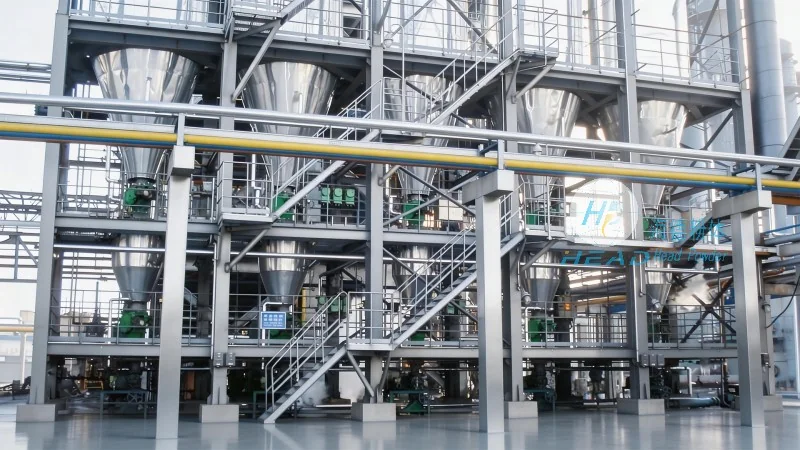
1. Non-Contact Handling: The system does not require physical contact between the material and the conveying equipment, which minimizes product damage and contamination. This is particularly important for glucose, which is sensitive to moisture and temperature changes.
2. Hygienic Design: The equipment is designed with smooth surfaces and easy-to-clean components, making it suitable for food and pharmaceutical applications. The use of stainless steel and other corrosion-resistant materials ensures that the system meets the stringent hygiene standards required by regulatory bodies.
3. Flexibility and Scalability: Pneumatic conveying systems can be easily modified to accommodate changes in production volume or material type. The modular design allows for the addition or removal of components, making it adaptable to different industrial needs.
4. Energy Efficiency: Compared to mechanical systems, pneumatic conveying can be more energy-efficient, especially for long-distance transport. The use of compressed air as the driving force allows for consistent flow rates and reduced energy consumption.
Applications of Glucose Pneumatic Conveying Equipment
Glucose pneumatic conveying equipment is widely used in various industries, including food processing, pharmaceutical manufacturing, and chemical production. Some common applications include:
1. Food Industry: In the food industry, glucose is used as a sweetener and a raw material for various products. Pneumatic conveying systems are used to transport glucose from storage silos to processing lines, ensuring that the material is handled hygienically and efficiently.
2. Pharmaceutical Industry: In the pharmaceutical sector, glucose is used as an excipient or a raw material for drug formulations. The use of pneumatic conveying systems helps to maintain the purity and integrity of the material, which is critical for meeting regulatory requirements.
3. Chemical Industry: In the chemical industry, glucose is used as a feedstock for various chemical processes. Pneumatic conveying systems are used to transport glucose to reactors and other processing equipment, ensuring that the material is delivered in a controlled and consistent manner.
Conclusion
Glucose pneumatic conveying equipment is a vital component in industries that handle fine powders. The system's ability to maintain product integrity, ensure hygiene, and provide efficient transport makes it an indispensable tool for modern manufacturing. With its modular design and adaptability, the equipment can be customized to meet the specific needs of different applications, ensuring optimal performance and reliability. As the demand for high-quality glucose products continues to grow, the importance of efficient and reliable conveying systems will only increase, making glucose pneumatic conveying equipment a key investment for any industry involved in the processing of this vital carbohydrate.