

[Dry Soybean Pneumatic Conveying Equipment: Structure and Principle of Powder Handling Systems]
Understanding the mechanics and design of dry soybean pneumatic conveying equipment is crucial for industries that handle bulk powders. This equipment, often referred to as a powder handling system, is engineered to transport dry soybeans and similar granular materials efficiently over long distances or within processing facilities. The following sections will explore the key components, operational principles, and structural design that define these systems, providing a comprehensive overview for professionals in the agricultural and food processing sectors.
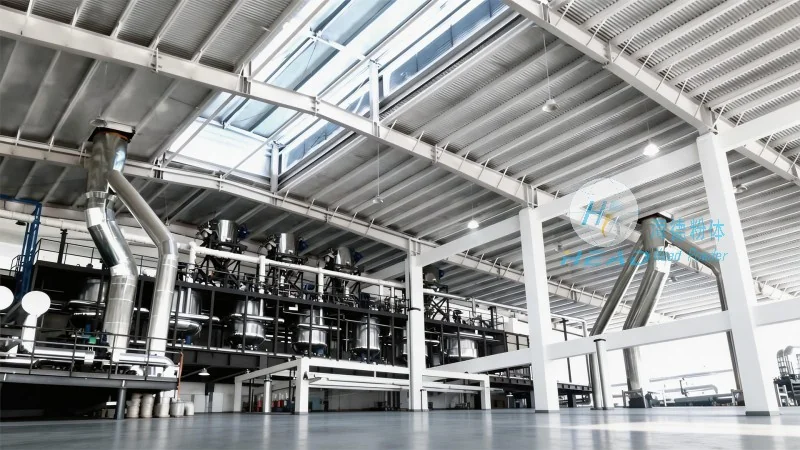
Key Components of Pneumatic Conveying Systems for Dry Soybeans
The dry soybean pneumatic conveying system consists of several critical components that work in tandem to ensure reliable material transport. At the core of the system is the conveying line, which can be either a flexible hose or a rigid pipe, depending on the application requirements. The line is connected to a blower or compressor that generates the necessary air pressure to move the soybeans. A feed hopper is used to store and meter the dry soybeans, ensuring a consistent flow into the conveying line. Additionally, a separation or filter system is integrated to prevent dust and debris from entering the air stream, maintaining air quality and preventing equipment damage.
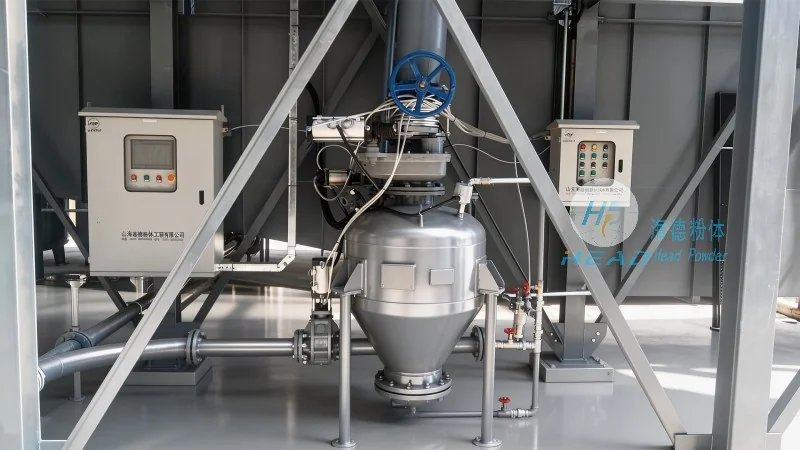
Working Principle of Dry Soybean Pneumatic Conveying
The operation of a dry soybean pneumatic conveying system relies on the principle of air movement to transport solid particles. When the blower or compressor is activated, it creates a pressure differential within the conveying line. The dry soybeans are introduced into the line, typically through the feed hopper, and are entrained by the moving air. The air flow carries the soybeans along the line to the discharge point, where the material is deposited. The system may use either a positive pressure or negative pressure (vacuum) method, with positive pressure being more common for dry soybean applications due to its ability to handle longer distances and larger volumes.
Structural Design Considerations for Efficient Soybean Transport
The structural design of dry soybean pneumatic conveying equipment is tailored to optimize performance and durability. The conveying line is constructed from materials such as stainless steel or high-density polyethylene to withstand the abrasive nature of soybeans and resist corrosion. The feed hopper is designed with a sloped bottom to facilitate smooth material discharge and prevent clogging. The blower or compressor is typically placed at the inlet of the system to ensure consistent air pressure and minimize energy loss. Furthermore, the system may include a expansion joint to accommodate thermal expansion and reduce stress on the components, enhancing overall longevity.

Applications and Benefits of Dry Soybean Pneumatic Conveying Equipment
Dry soybean pneumatic conveying equipment is widely used in various industries, including food processing, agricultural storage, and manufacturing. Its primary benefits include high efficiency in transporting large volumes of dry soybeans, minimal product contamination due to enclosed systems, and the ability to handle materials over long distances without the need for intermediate storage. The equipment also reduces labor costs by automating the material handling process and improves safety by eliminating manual handling of bulk powders. In the context of Shandong HeadPowder Engineering Co., Ltd., this equipment represents a reliable solution for businesses seeking to streamline their soybean processing operations.