

Principle of Hydrogen Sulfide Pneumatic Conveying Equipment
Hydrogen sulfide (H₂S) is a toxic and corrosive gas commonly encountered in industrial processes, particularly in the oil and gas, chemical, and mining sectors. The safe and efficient handling of H₂S is critical for operational safety and environmental compliance. Pneumatic conveying systems offer a reliable method for transporting H₂S from its source to processing or storage facilities. This article explores the fundamental principles behind the operation of hydrogen sulfide pneumatic conveying equipment, detailing the key components, working mechanisms, and practical considerations for effective implementation. As a leading provider of specialized engineering solutions, Shandong HeadPowder Engineering Co., Ltd. (headpowder) specializes in designing and manufacturing high-quality hydrogen sulfide pneumatic conveying systems tailored to meet the unique needs of industrial clients.
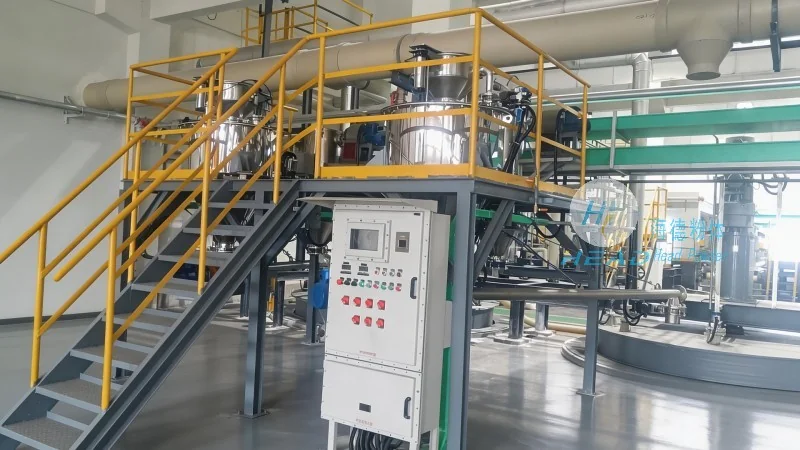
Key Components of Hydrogen Sulfide Pneumatic Conveying Systems
At the core of any hydrogen sulfide pneumatic conveying system are several essential components that work in tandem to ensure safe and efficient material transport. The primary components include the gas source, material feed system, conveying line, and collection or discharge equipment. The gas source typically provides the motive force, often using compressed air or other inert gases to create the necessary pressure differential. The material feed system ensures that H₂S is introduced into the conveying line in a controlled manner, preventing blockages and maintaining consistent flow rates. The conveying line itself is designed to withstand the corrosive nature of H₂S, with materials such as stainless steel or specialized coatings used to protect against chemical attack. Finally, the collection or discharge equipment safely removes the H₂S from the system, ensuring that it is properly contained and processed.
Working Principle of Hydrogen Sulfide Pneumatic Conveying
The operation of hydrogen sulfide pneumatic conveying equipment is based on the principle of using a gas stream to transport solid or liquid materials through a pipeline. In the case of H₂S, the system typically employs a pressure-driven or vacuum-driven mechanism. For pressure systems, compressed air is introduced into the conveying line, creating a high-pressure environment that propels the H₂S forward. The material is then entrained in the gas stream, moving through the pipeline with minimal friction. For vacuum systems, a vacuum pump creates a low-pressure environment at the discharge end, drawing the H₂S from the source and through the line. The choice between pressure and vacuum systems depends on factors such as the distance to be covered, the volume of material to be transported, and the specific requirements of the application.
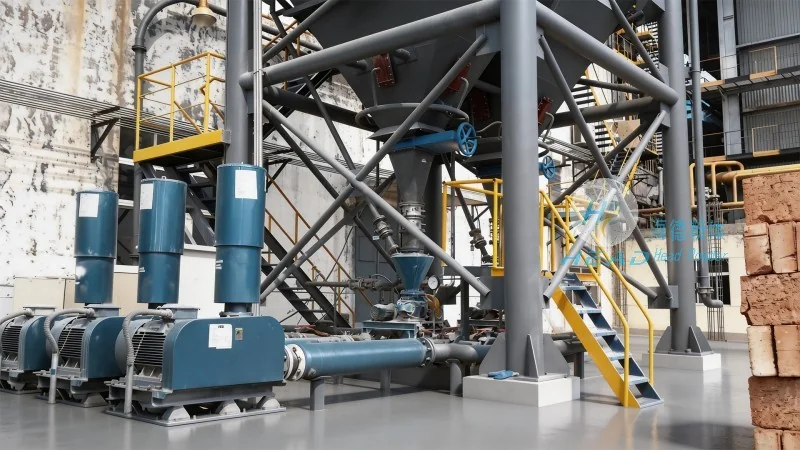
Design Considerations for Hydrogen Sulfide Pneumatic Conveying Equipment
Designing a hydrogen sulfide pneumatic conveying system requires careful consideration of several factors to ensure safety, efficiency, and longevity. One of the most critical considerations is material selection, as H₂S is highly corrosive and can degrade many common metals and plastics. Stainless steel, particularly 316L, is commonly used for components that come into direct contact with the gas due to its resistance to corrosion. Additionally, the system must be equipped with proper ventilation and gas detection systems to prevent the accumulation of toxic H₂S in the workplace. The conveying line must also be designed to minimize pressure drop and maintain consistent flow rates, which is achieved through appropriate pipe sizing and the use of smooth, unobstructed pathways. Regular maintenance and inspection are also essential to ensure that the system operates within safe parameters and to identify any potential issues before they become major problems.
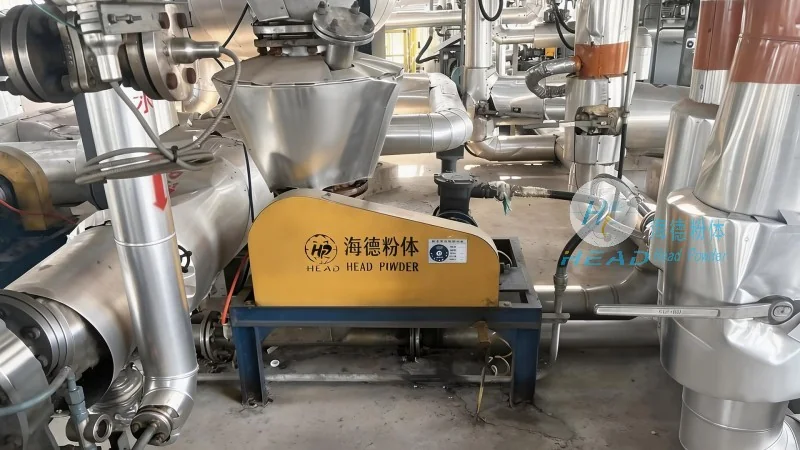
Applications of Hydrogen Sulfide Pneumatic Conveying
Hydrogen sulfide pneumatic conveying equipment is widely used in various industrial applications where the safe handling of H₂S is necessary. In the oil and gas industry, it is commonly employed to transport H₂S from wellheads or processing plants to treatment facilities. In the chemical industry, it may be used to move H₂S from storage tanks to reactors or other processing equipment. Mining operations also utilize these systems to transport H₂S from extraction sites to processing or disposal facilities. The versatility of pneumatic conveying makes it suitable for a range of applications, from small-scale laboratory operations to large-scale industrial processes.
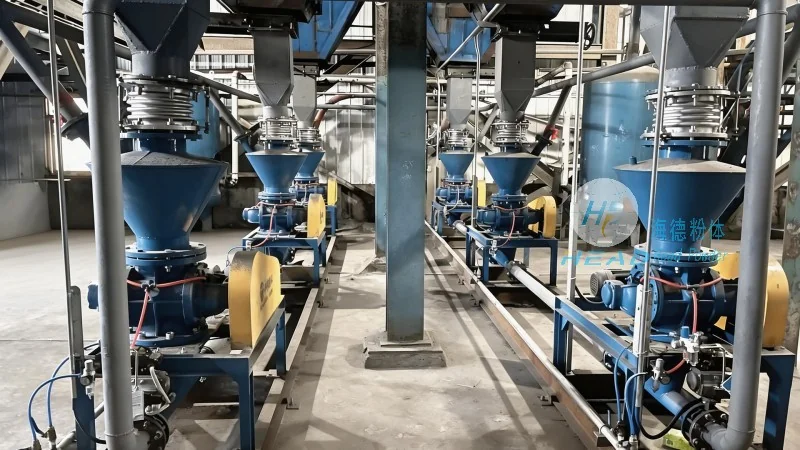
Advantages of Using Hydrogen Sulfide Pneumatic Conveying Equipment
Compared to traditional methods of H₂S transport, such as mechanical conveyors or pumps, pneumatic conveying offers several advantages. One of the primary benefits is the ability to transport H₂S over long distances with minimal energy consumption. The system is also relatively simple to install and maintain, with fewer moving parts compared to mechanical systems. Additionally, pneumatic conveying can handle a wide range of particle sizes and flow rates, making it adaptable to various operational needs. The use of inert gases or compressed air as the motive force also reduces the risk of ignition or explosion, enhancing overall safety. These advantages make hydrogen sulfide pneumatic conveying equipment a preferred choice for many industrial applications.
Conclusion
Hydrogen sulfide pneumatic conveying equipment is a critical component in the safe and efficient handling of H₂S in industrial settings. By understanding the fundamental principles behind its operation, including the key components, working mechanisms, and design considerations, industries can implement effective systems that meet their operational and safety requirements. With proper design, maintenance, and operation, these systems provide a reliable method for transporting H₂S while minimizing risks to personnel and the environment. As technology advances, the development of more advanced and efficient pneumatic conveying systems continues to improve the safety and performance of H₂S handling processes.