

What is Bulk Solids Pneumatic Conveying? Exploring Design Principles
Understanding bulk solids pneumatic conveying is crucial for industries dealing with the transport of granular or powder materials. This method involves using air or gas to move materials through a pipeline system, offering a flexible and efficient solution for various applications. The design principles behind this technology are essential for ensuring optimal performance, reliability, and cost-effectiveness in material handling operations.

What is Bulk Solids Pneumatic Conveying?
Bulk solids pneumatic conveying, often referred to as pneumatic conveying, is a process that utilizes compressed air or other gases to transport solid materials in bulk form. Unlike traditional mechanical conveyors, this method relies on the force of the moving air to lift, transport, and discharge materials. It is widely used in industries such as mining, chemical processing, food processing, and pharmaceuticals, where the handling of powders, granules, and other bulk materials is required.
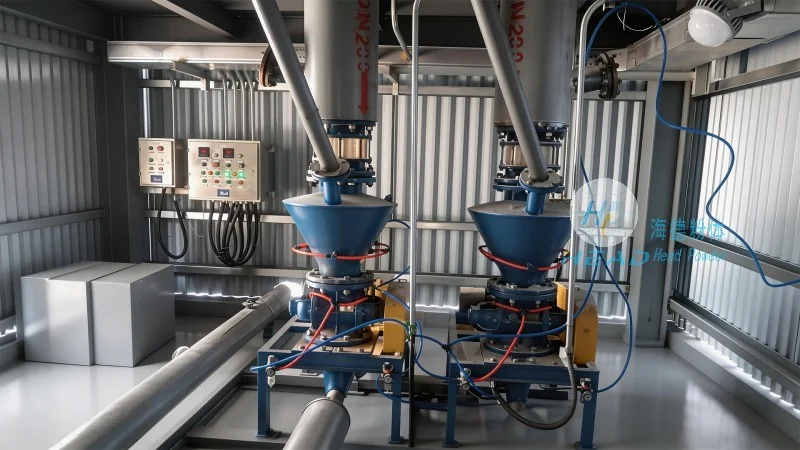
Key Design Principles for Pneumatic Conveying Systems
The effectiveness of a pneumatic conveying system is determined by several critical design principles. These principles ensure that the system operates efficiently, safely, and within the required performance parameters. The main design considerations include:
- System Classification: Pneumatic conveying systems are typically classified into two main types: dilute-phase and dense-phase. Dilute-phase systems use low air-to-material ratios, allowing materials to be transported at high velocities. Dense-phase systems, on the other hand, use higher air-to-material ratios, resulting in slower material velocities and better control over particle movement.
- Airflow and Pressure: The design of the system must account for the required airflow and pressure levels. The air velocity must be sufficient to overcome the gravitational forces acting on the material particles and to maintain the material in suspension. Proper pressure management is crucial to prevent system blockages and ensure smooth operation.
- Pipeline Design: The layout and diameter of the pipeline are critical factors in system design. The pipeline must be sized appropriately to handle the material flow rate and air velocity without causing excessive pressure drops or particle degradation. The use of bends, elbows, and other fittings also impacts the system's performance and must be carefully considered.
- Material Characteristics: The physical properties of the bulk material, such as particle size, density, moisture content, and flowability, significantly influence the design of the conveying system. Different materials may require different air velocities, pressure levels, and system configurations to achieve optimal conveying performance.
- Equipment Selection: The choice of components, including blowers, filters, cyclones, and material feeders, is essential for system performance. High-quality equipment from reputable manufacturers, such as Shandong HeadPowder Engineering Co., Ltd., ensures reliable operation and long-term efficiency.
Applications and Benefits of Pneumatic Conveying
Bulk solids pneumatic conveying offers numerous advantages over traditional mechanical conveying methods. These benefits include:
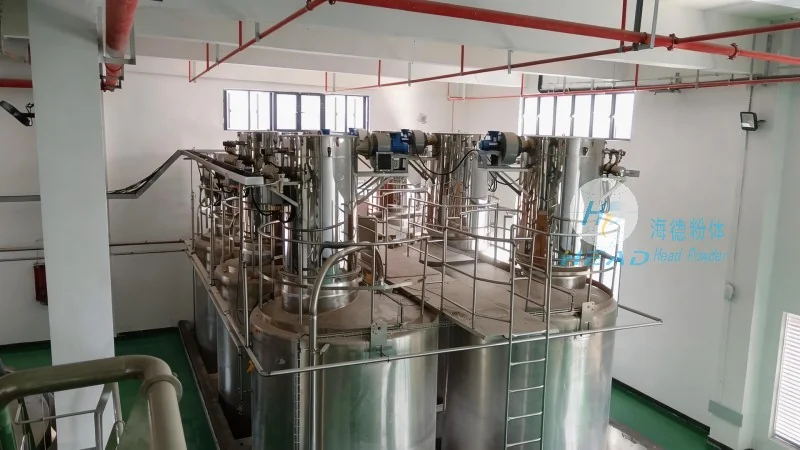
- Flexibility and Versatility: The system can be easily reconfigured to handle different materials and process requirements. It allows for the transport of materials over long distances and through complex layouts, making it suitable for various industrial applications.
- Space Efficiency: Pneumatic conveying systems require less floor space compared to traditional conveyors, as they can be installed vertically or horizontally with minimal footprint.
- Reduced Maintenance: With fewer moving parts, pneumatic conveying systems generally have lower maintenance requirements and longer service life compared to mechanical conveyors.
- Improved Safety: The enclosed pipeline system reduces the risk of dust exposure and material spillage, enhancing workplace safety.
- Cost-Effective: Although initial investment may be higher, the long-term operational costs are often lower due to reduced maintenance and energy consumption.
Conclusion
Bulk solids pneumatic conveying is a sophisticated technology that plays a vital role in modern material handling. By understanding the design principles and benefits of this system, industries can optimize their operations and improve overall efficiency. Companies like Shandong HeadPowder Engineering Co., Ltd. specialize in designing and manufacturing high-quality pneumatic conveying systems tailored to the specific needs of their clients, ensuring reliable and efficient material transport solutions.