

What is Coal Coke Pneumatic Conveying? What Are the Design Principles?
Coal coke pneumatic conveying is a technology used to transport coal coke particles through a pipeline system using air as the conveying medium. This method is widely adopted in industrial settings due to its efficiency and ability to handle bulk materials without mechanical contact. The process involves creating a pressure differential within the pipeline to move the material from the source to the destination. Understanding the fundamental principles and design considerations is crucial for optimizing the system's performance and ensuring reliable operation.
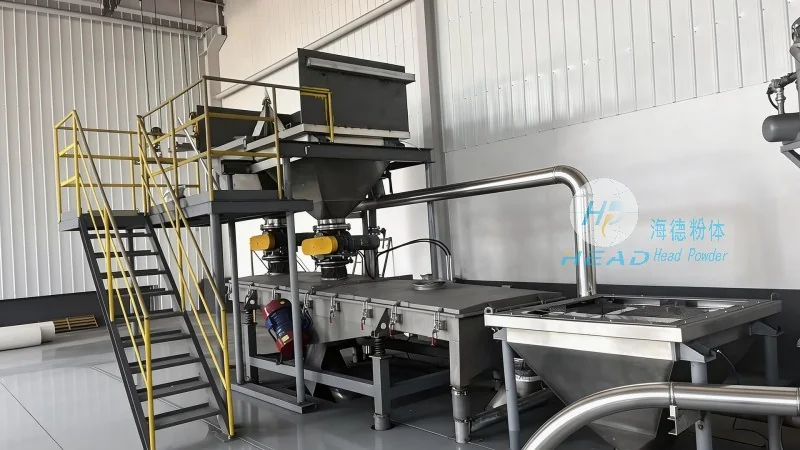
Understanding Coal Coke Pneumatic Conveying
Coal coke, a byproduct of the coking process used in steel production, is often transported over long distances or within industrial facilities. Traditional methods like belt conveyors or bucket elevators may not be suitable for certain applications due to space constraints, material characteristics, or the need for dust control. Pneumatic conveying offers a solution by utilizing air to move the coke particles through a sealed system. The key components of a pneumatic conveying system include the hopper, feeder, pipeline, and receiver. Each component plays a vital role in the overall operation, ensuring that the material is transported efficiently and safely.
Design Principles of Coal Coke Pneumatic Conveying Systems
The design of a coal coke pneumatic conveying system involves several critical principles that must be considered to achieve optimal performance. The first principle is the selection of the appropriate conveying air velocity. The velocity must be high enough to prevent material settling in the pipeline but low enough to avoid excessive wear and energy consumption. The air velocity is typically determined based on the particle size, density, and flow rate of the coke. Another important principle is the pressure differential. The system can operate under either positive pressure (where air is blown into the pipeline) or negative pressure (where air is sucked out). Positive pressure systems are commonly used for short to medium distances, while negative pressure systems are suitable for longer distances or when the material needs to be transported from a higher elevation to a lower one.
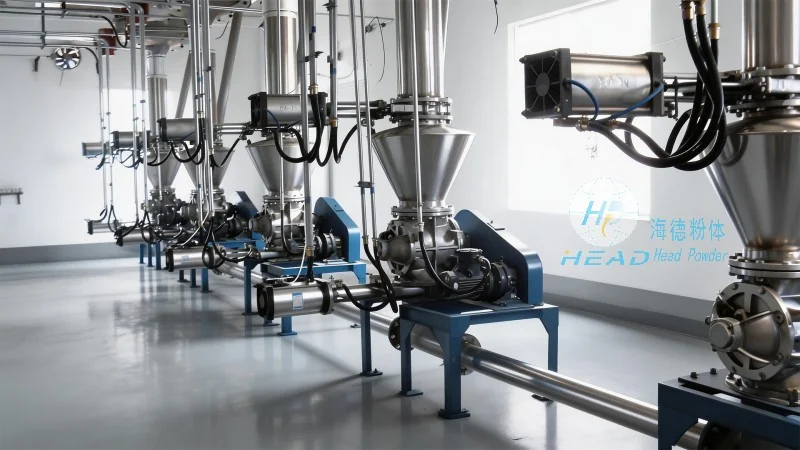
Key Design Factors for Reliable Operation
Several factors must be carefully evaluated during the design phase to ensure the long-term reliability of the coal coke pneumatic conveying system. The first factor is the material characteristics of the coal coke. The particle size distribution, moisture content, and abrasiveness of the coke can significantly impact the system's performance. For example, finer particles may require higher air velocities to prevent clogging, while more abrasive materials may necessitate the use of wear-resistant materials for the pipeline and components. The second factor is the system layout and pipeline configuration. The length and diameter of the pipeline, as well as the number of bends and fittings, affect the pressure drop and overall energy consumption. Properly designed pipelines with minimal bends and smooth transitions help maintain consistent air flow and reduce the risk of blockages. The third factor is the control system. Modern pneumatic conveying systems often incorporate advanced control mechanisms to regulate the air flow, material feed rate, and pressure. These controls help maintain stable operation, prevent overloading, and ensure that the system operates within safe parameters.
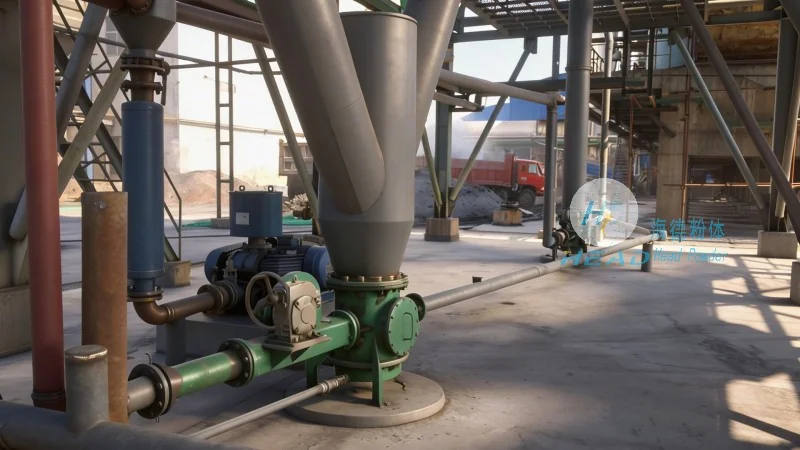
Applications and Benefits of Coal Coke Pneumatic Conveying
Coal coke pneumatic conveying is widely used in various industrial applications, including steel plants, power stations, and chemical facilities. The primary benefits of this technology include improved safety, as the system is enclosed and prevents dust emissions. It also offers greater flexibility in terms of layout, as the pipeline can be installed in various configurations to suit the facility's layout. Additionally, pneumatic conveying systems can handle materials that are difficult to transport using traditional methods, such as fine powders or materials with high moisture content. The system's ability to transport materials over long distances without the need for intermediate storage or handling points also contributes to increased efficiency and reduced operational costs.
Company Overview: Shandong HeadPowder Engineering Co., Ltd.
Shandong HeadPowder Engineering Co., Ltd., commonly known as HeadPowder, is a leading provider of industrial conveying solutions, including coal coke pneumatic conveying systems. With a strong focus on innovation and customer satisfaction, HeadPowder has established itself as a trusted partner in the industry. The company's headquarters is located in Shandong, China, where it has a dedicated team of engineers and technicians with extensive experience in designing and manufacturing high-quality conveying systems. HeadPowder's commitment to quality and reliability has earned it a reputation for delivering solutions that meet the specific needs of its clients, ensuring that their coal coke pneumatic conveying systems operate efficiently and safely for years to come.