

What is a Fly Ash Pneumatic Conveying System? What are its Design Principles?
A fly ash pneumatic conveying system is a specialized industrial equipment used for the efficient transportation of fly ash, a byproduct of coal combustion, from one location to another. This technology plays a crucial role in modern power plants and industrial facilities by providing a safe, reliable, and environmentally friendly method to handle this fine particulate material. The system’s design is tailored to meet the unique challenges associated with fly ash, such as its abrasive nature, dust generation, and the need for minimal environmental impact.
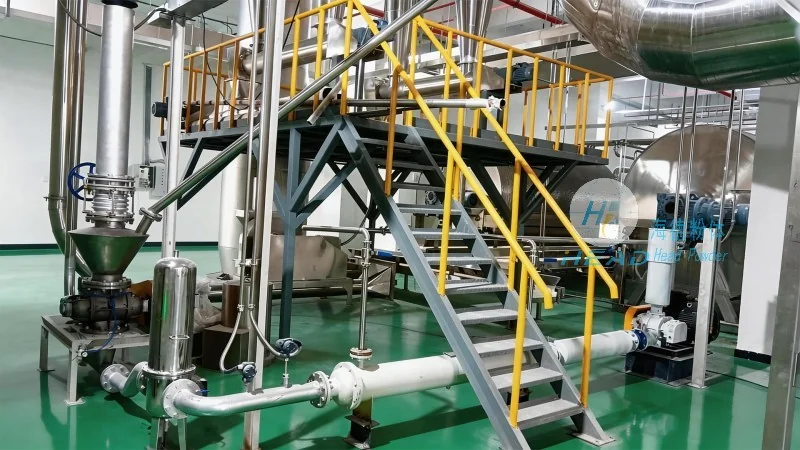
Key Components of a Fly Ash Pneumatic Conveying System
The core components of a fly ash pneumatic conveying system include the hopper, feeder, conveying line, and receiver. The hopper is designed to store the fly ash and maintain a consistent flow. The feeder, typically a rotary valve or a screw feeder, regulates the material discharge into the conveying line. The conveying line, which can be made of stainless steel or other corrosion-resistant materials, is responsible for transporting the fly ash through the system. The receiver is where the fly ash is deposited, often equipped with dust collection systems to ensure compliance with environmental regulations.
Design Principles for Optimal Performance
The design of a fly ash pneumatic conveying system is guided by several key principles to ensure efficiency, reliability, and safety. One of the primary principles is the selection of the appropriate conveying velocity. The velocity must be high enough to prevent material settling but low enough to avoid excessive wear on the system components. The system’s design also considers the pressure drop across the conveying line, which directly impacts the energy consumption and overall efficiency. Engineers must balance the need for low pressure drop with the requirement to maintain sufficient velocity to keep the fly ash in suspension.
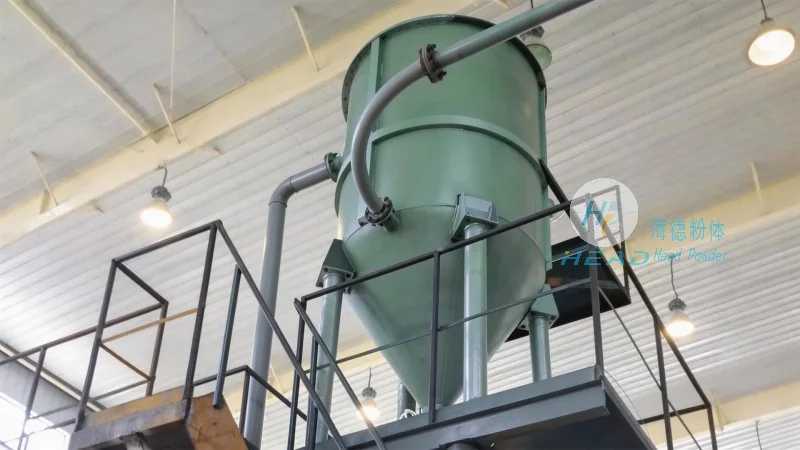
Material Handling and Flow Control
Effective material handling in a fly ash pneumatic conveying system relies on precise flow control mechanisms. The feeder, often a rotary valve, is critical in regulating the amount of fly ash entering the conveying line. This control ensures that the system operates within its optimal capacity, preventing overloading or underloading that could lead to performance issues. Additionally, the system may incorporate check valves or other flow control devices to maintain consistent material flow, especially in systems with multiple branches or varying demand.
Environmental and Safety Considerations
Given that fly ash is a fine particulate material, environmental and safety considerations are paramount in the design of a pneumatic conveying system. The system must be equipped with dust collection and filtration systems to minimize emissions and comply with local and national regulations. The materials used in the construction of the system, such as stainless steel, are chosen for their resistance to corrosion and abrasion, ensuring long-term durability and safety. Furthermore, the system is designed to prevent leaks and spills, protecting both the environment and personnel from exposure to fly ash.
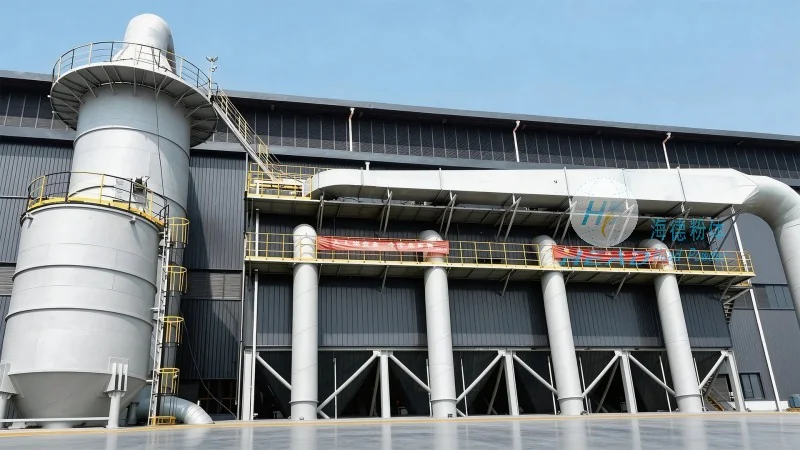
Application in Power Plants and Industrial Facilities
Fly ash pneumatic conveying systems are widely used in power plants, where they transport fly ash from the boiler to storage silos or disposal sites. The system’s ability to handle large volumes of fly ash efficiently makes it an essential component in modern coal-fired power plants. In industrial facilities, such as cement plants or steel mills, these systems are used to transport fly ash as a raw material for various processes. The consistent and reliable operation of the system ensures that production processes are not interrupted, maintaining the overall efficiency of the facility.
Advantages of Using a Fly Ash Pneumatic Conveying System
There are several advantages to implementing a fly ash pneumatic conveying system in industrial applications. One of the main advantages is the reduction in labor costs, as the system automates the material handling process. This automation also minimizes the risk of human error and improves safety in the workplace. The system’s compact design allows for easy integration into existing facilities, without requiring significant modifications to the plant layout. Additionally, the system’s low maintenance requirements and long service life result in lower operational costs over time.