

What is Bone Powder Material Handling? What Are the Design Principles?
Bone powder material handling refers to the process of transporting bone powder from its source to the point of use or disposal. This involves a series of equipment and systems designed to move the material efficiently and safely. The design principles for such systems are critical as they ensure optimal performance, minimize material loss, and comply with safety and environmental regulations.
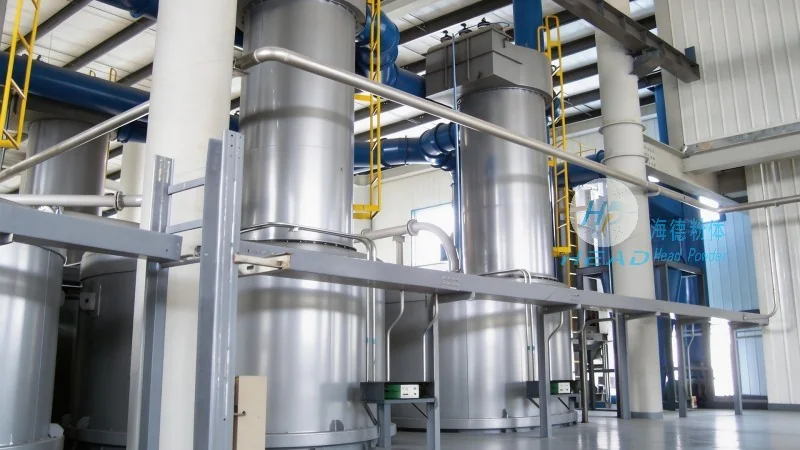
Understanding Bone Powder Material Handling
Bone powder is a fine, granular material derived from animal bones, often used in various industries including animal feed, pharmaceuticals, and fertilizers. Due to its fine texture and potential for dust generation, handling bone powder requires specialized equipment and careful system design. The primary goal of bone powder material handling is to transport the material without causing excessive dust, clogging, or degradation of the product quality.
Key Design Principles for Bone Powder Handling Systems
The design of a bone powder material handling system typically involves several key components and principles. First, the system must consider the physical properties of bone powder, such as its particle size, moisture content, and flow characteristics. These properties influence the choice of equipment, as different materials may require different handling methods. For instance, bone powder with high moisture content may be more prone to caking, necessitating equipment that can prevent or break up agglomerates.
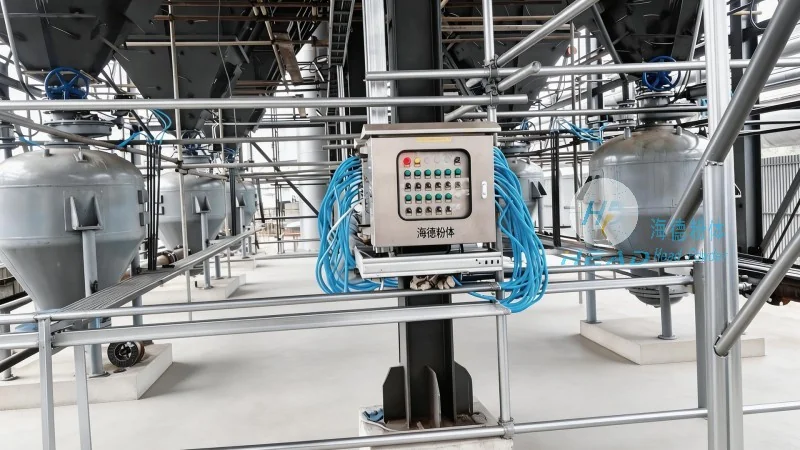
Second, the system design must address the issue of dust control. Bone powder is a fine powder that can easily become airborne, posing health risks and environmental concerns. Effective dust control measures, such as enclosed systems, filtration, and proper ventilation, are essential components of a well-designed bone powder handling system. These measures not only protect workers and the environment but also maintain the quality of the material by preventing contamination from external sources.
Third, the system must ensure efficient and continuous material flow. This involves selecting appropriate equipment like feeders, conveyors, and pumps that can handle the material's flow characteristics without causing blockages or excessive wear. For example, screw conveyors are commonly used for bone powder due to their ability to handle fine powders and their enclosed design, which helps in dust containment. Additionally, the system may incorporate controls that adjust the flow rate based on demand, ensuring smooth operation and preventing overloading of downstream equipment.
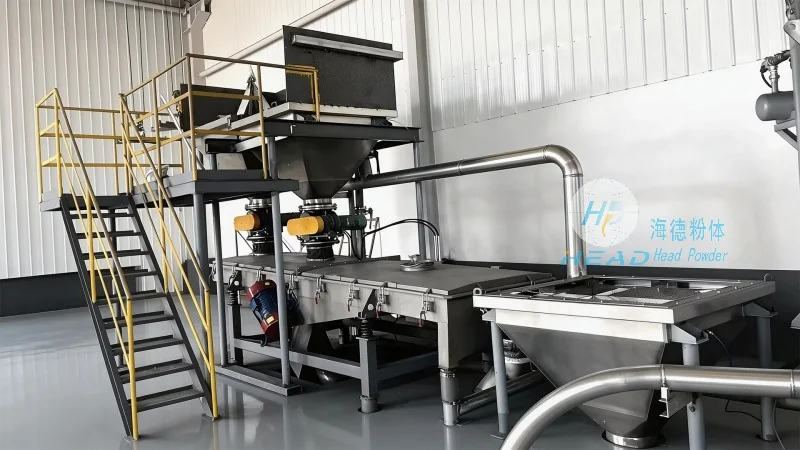
Components of a Typical Bone Powder Material Handling System
A typical bone powder material handling system includes several key components working in tandem. The process often starts with a storage silo or hopper where the bone powder is stored before being fed into the system. From there, a feeder, such as a rotary valve or a screw feeder, controls the flow of material into the conveyor system. The conveyor, which could be a pneumatic (air) conveyor or a mechanical conveyor like a belt or screw conveyor, transports the bone powder to the next stage of the process.
The system may also include a dust collection system, which captures any airborne particles and returns them to the main stream or disposes of them safely. This ensures that the material is not lost and that the environment is kept clean. Additionally, the system may have a control panel that monitors and regulates the operation of the equipment, providing real-time data on flow rates, pressure, and other critical parameters.
Importance of Proper Design and Installation
The effectiveness of a bone powder material handling system heavily depends on proper design and installation. A poorly designed system may lead to issues such as material clogging, increased maintenance costs, and safety hazards. For example, if the conveyor is not properly sized for the material's flow rate, it may become overloaded, causing blockages and downtime. Similarly, if the dust control system is inadequate, it may fail to capture all airborne particles, leading to health risks for workers and environmental violations.
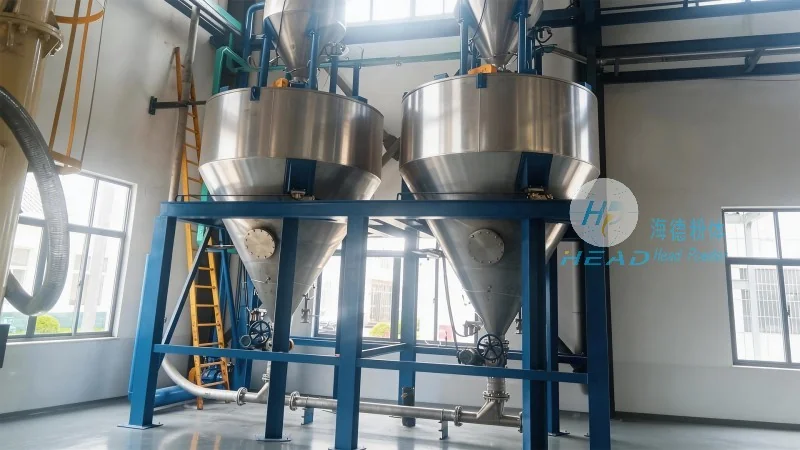
Proper installation and maintenance are also crucial. The equipment must be installed correctly to ensure smooth operation and to prevent leaks or other issues. Regular maintenance, such as cleaning of filters, checking for wear on components, and lubricating moving parts, is essential to keep the system running efficiently and to extend its lifespan. By adhering to proper design and installation practices, companies can ensure that their bone powder material handling systems operate reliably and safely.
About Shandong HeadPowder Engineering Co., Ltd.
Shandong HeadPowder Engineering Co., Ltd., commonly known as headpowder, is a company based in Shandong, China, specializing in the design and manufacturing of material handling systems for various industries. With years of experience in the field, headpowder has developed expertise in handling challenging materials like bone powder, providing customized solutions that meet the specific needs of their clients. The company's commitment to quality and innovation has made it a trusted partner for businesses requiring reliable and efficient material handling solutions.