

What is Flake Caustic Soda Material Handling? And Its Design Principles?
Flake caustic soda, also known as sodium hydroxide in flake form, is a widely used chemical in various industrial applications. The efficient and safe handling of this material is crucial for industrial processes, as it involves managing its storage, transportation, and transfer to different equipment. This article explores the material handling of flake caustic soda and the underlying design principles that ensure its safe and effective use in industrial settings.
About HeadPowder Engineering
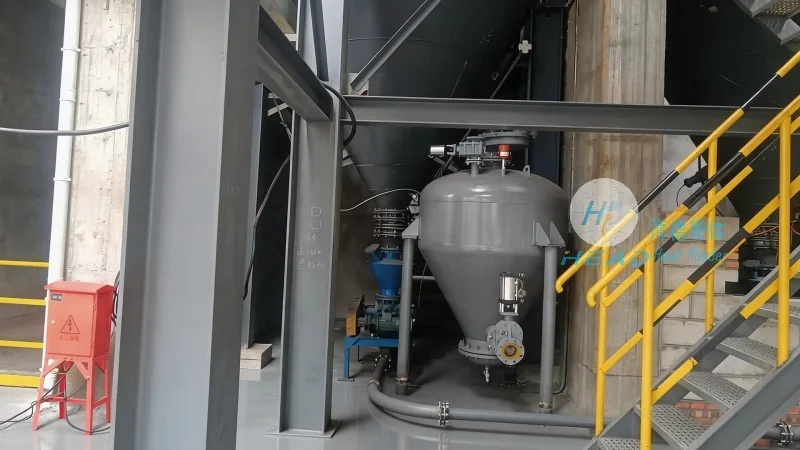
HeadPowder Engineering, a leading company in the chemical processing industry, specializes in providing advanced solutions for material handling systems. With a strong commitment to safety, efficiency, and innovation, HeadPowder Engineering has established itself as a trusted partner for businesses requiring reliable flake caustic soda handling solutions. The company’s expertise lies in designing and manufacturing systems that meet the stringent requirements of industrial applications, ensuring optimal performance and safety for its clients.

Design Principles for Flake Caustic Soda Material Handling
The design of flake caustic soda material handling systems follows several key principles to ensure safety, efficiency, and durability. First, the system must be designed to handle the chemical’s properties, such as its high reactivity and potential for corrosion. Materials used in the construction of the handling equipment, like stainless steel or specialized coatings, are chosen to resist chemical attack and prevent contamination. Second, the system must incorporate proper containment and ventilation to prevent exposure to fumes and splashes, which can be hazardous to workers. This includes features like sealed hoppers, enclosed conveyor systems, and exhaust systems to maintain a safe working environment. Third, the design must consider the flow characteristics of flake caustic soda, which can be cohesive and prone to bridging or rat-holing. To address this, systems often include agitators, vibrators, or air knives to ensure smooth material flow and prevent blockages. Fourth, the system must adhere to regulatory standards and industry best practices, ensuring compliance with safety and environmental regulations. This includes proper labeling, emergency shutdown procedures, and regular maintenance protocols to minimize risks and ensure long-term reliability.
Key Components of Flake Caustic Soda Handling Systems
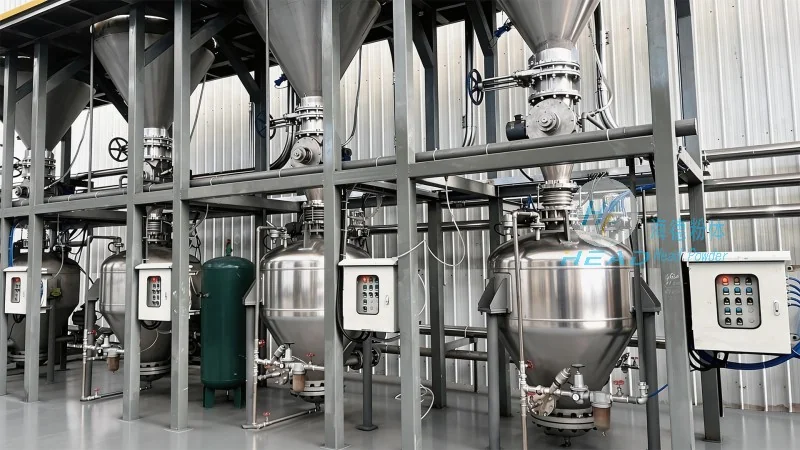
Flake caustic soda handling systems typically consist of several key components that work together to ensure efficient material transfer. These components include hoppers or silos for storage, conveyor systems (such as belt conveyors or screw conveyors) for transporting the material, and transfer equipment like pneumatic conveyors or bucket elevators for moving the material to different locations. The hoppers are designed with sloped sides to prevent bridging and ensure uniform material flow. The conveyor systems are often equipped with special materials or coatings to resist corrosion from the caustic soda. Transfer equipment may use air or mechanical means to move the material, with air systems being particularly effective for handling fine or dusty materials. Additionally, the systems may include level sensors, flow meters, and control panels to monitor and regulate the material flow, ensuring consistent operation and preventing overfilling or underfilling.
Safety Considerations in Flake Caustic Soda Handling
Handling flake caustic soda requires strict adherence to safety protocols to protect workers and prevent accidents. The systems are designed with multiple safety features, including emergency stop buttons, interlocks to prevent unauthorized access, and alarms for abnormal conditions. Personal protective equipment (PPE) such as gloves, goggles, and face shields is essential when working with flake caustic soda to prevent skin contact and inhalation of fumes. The handling equipment is also equipped with ventilation systems to remove any released fumes and maintain a safe air quality. Regular maintenance and inspections are crucial to ensure the system operates correctly and safely. This includes checking for leaks, wear and tear on components, and ensuring all safety devices are functional. By following these safety measures, industrial facilities can minimize the risks associated with flake caustic soda handling and ensure a safe working environment for their employees.
Conclusion and Company Information
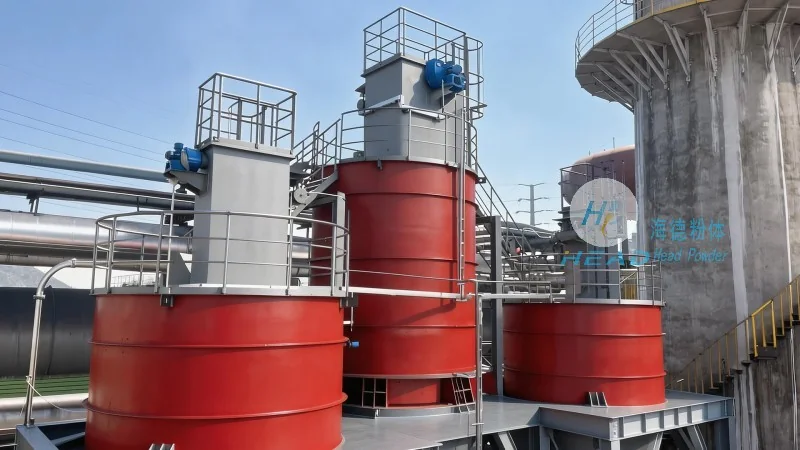
Efficient and safe material handling of flake caustic soda is essential for industrial operations, and the design principles and systems provided by companies like Shandong HeadPowder Engineering Co., Ltd. play a critical role in achieving this. By adhering to the principles of corrosion resistance, proper containment, and material flow management, these systems ensure the safe and effective use of flake caustic soda in various applications. HeadPowder Engineering, with its expertise and commitment to quality, offers reliable solutions tailored to the specific needs of industrial clients, helping them optimize their material handling processes and enhance overall operational efficiency. With a strong presence in China, particularly in Shandong, HeadPowder Engineering continues to provide innovative and safe solutions for the chemical processing industry.