

[Rice Husk Material Conveying: Exploring Its Function and Design Principles]
Rice husk material conveying is a specialized process used in various industrial applications, particularly in the agricultural and biomass processing sectors. This method involves the efficient transportation of rice husks, which are the protective outer shells of rice grains, from one location to another. The importance of rice husk conveying lies in its role in optimizing the workflow of rice processing facilities, ensuring that these valuable byproducts are handled safely and effectively. Understanding the mechanisms behind rice husk material conveying is crucial for industries aiming to maximize operational efficiency and maintain product quality.
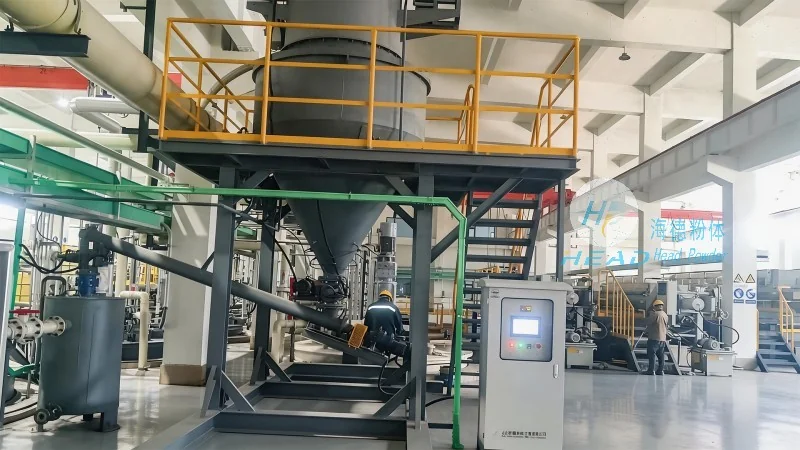
Core Components and Design Principles of Rice Husk Conveying Systems
The design of rice husk material conveying systems is built upon several key principles and components that work in tandem to achieve reliable and efficient material handling. One of the fundamental aspects is the selection of appropriate conveying equipment, such as screw conveyors, belt conveyors, or pneumatic systems, which are chosen based on the specific characteristics of the rice husks, including their size, moisture content, and bulk density. For instance, screw conveyors are often preferred for handling bulk materials like rice husks due to their ability to transport materials vertically or horizontally with minimal maintenance. The design also considers the need for proper sealing and dust control, as rice husks can generate significant dust during handling, which may affect both operational safety and product purity. Additionally, the system's layout is carefully planned to minimize material degradation and ensure smooth flow, incorporating features like inclined or horizontal sections, transition points, and discharge mechanisms that are tailored to the material's properties.
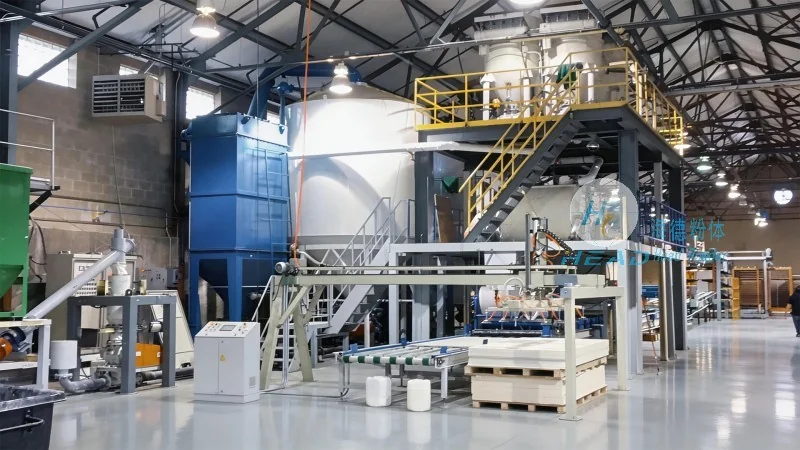
Key Design Considerations for Optimal Rice Husk Conveying Performance
Several critical design considerations are essential for ensuring the high performance of rice husk conveying systems. First, the material's physical properties play a significant role in determining the most suitable conveying method. Rice husks are typically lightweight and have a relatively low bulk density, which can affect the speed and efficiency of the conveying process. Engineers must account for these characteristics when selecting the appropriate equipment and adjusting operational parameters. For example, pneumatic conveying systems may be more effective for transporting fine or light materials like rice husks over longer distances, as they can handle the material in a suspended state, reducing friction and wear on the system components. Another important factor is the moisture content of the rice husks, as high moisture levels can lead to clumping or caking, which may impede the smooth flow of the material. Proper moisture control and the use of materials with anti-caking properties are often integrated into the design to prevent such issues. Furthermore, the system's durability and resistance to corrosion are critical, especially when dealing with agricultural byproducts that may contain organic acids or other corrosive substances. Materials like stainless steel or corrosion-resistant coatings are commonly used to extend the lifespan of the conveying equipment and maintain its performance over time.
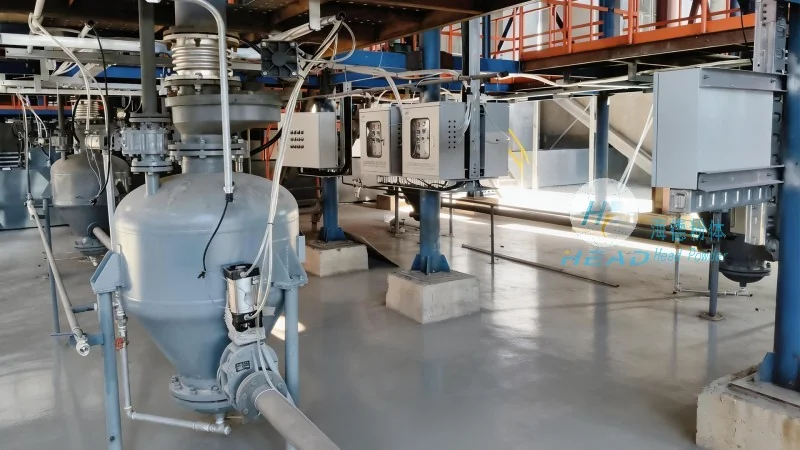
Applications and Benefits of Rice Husk Material Conveying in Industrial Settings
Rice husk material conveying systems find widespread applications across various industries, contributing to the efficient processing and utilization of rice husks. In the biomass energy sector, these systems are crucial for transporting rice husks to power plants or biofuel production facilities, where they are used as a renewable energy source. The efficient conveyance of rice husks ensures a steady supply of fuel, enhancing the overall energy production capacity. In the agricultural processing industry, rice husks are often used as animal feed or in the production of organic fertilizers. The conveying systems help in moving these byproducts from storage areas to processing units, streamlining the production process and reducing labor costs. Additionally, rice husks are utilized in the manufacturing of building materials, such as insulation boards or composite panels. The ability to convey these materials reliably and in large quantities supports the production of high-quality building products. The benefits of rice husk material conveying extend beyond operational efficiency; it also contributes to environmental sustainability by ensuring that rice husks are utilized as valuable resources rather than being wasted as agricultural waste. By optimizing the handling of rice husks, industries can reduce their environmental footprint and promote a circular economy approach to resource management.
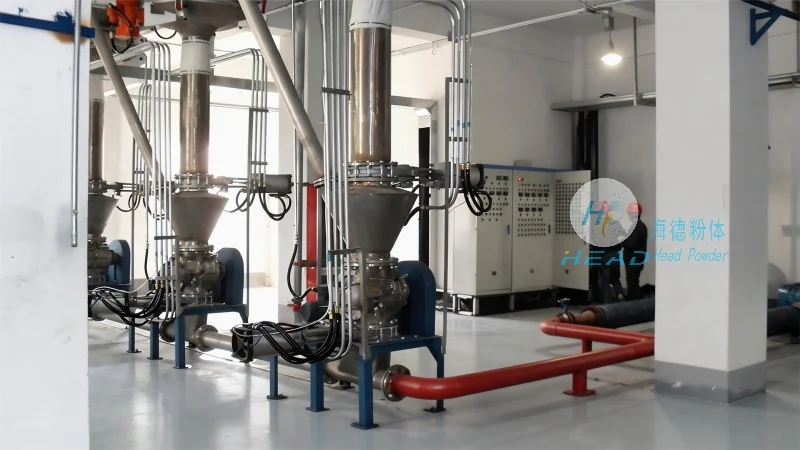
Conclusion: The Importance of Advanced Rice Husk Conveying Solutions
In conclusion, rice husk material conveying is a vital process that underpins the efficiency and sustainability of various industrial operations. The design principles and components of these systems are carefully engineered to address the unique challenges posed by rice husks, ensuring reliable and efficient material handling. By understanding the core design considerations and applications, industries can make informed decisions about implementing or upgrading their conveying systems. As technology advances, the development of more sophisticated and adaptive conveying solutions continues to enhance the performance of rice husk material handling, supporting the growth of industries that rely on these valuable byproducts. The integration of advanced materials, control systems, and operational strategies ensures that rice husk conveying remains a key component in the efficient processing and utilization of agricultural resources, contributing to both economic and environmental benefits.