

What is Gypsum Powder and Dust Material Conveying? What Are the Design Principles?
Gypsum powder and dust material conveying is a critical process in industrial applications, particularly in the manufacturing and processing of gypsum-based products. This method involves the efficient transportation of fine gypsum particles, often in the form of powders or dust, from one location to another within a production facility. The design of such conveying systems is essential for ensuring optimal performance, safety, and efficiency in handling these materials.
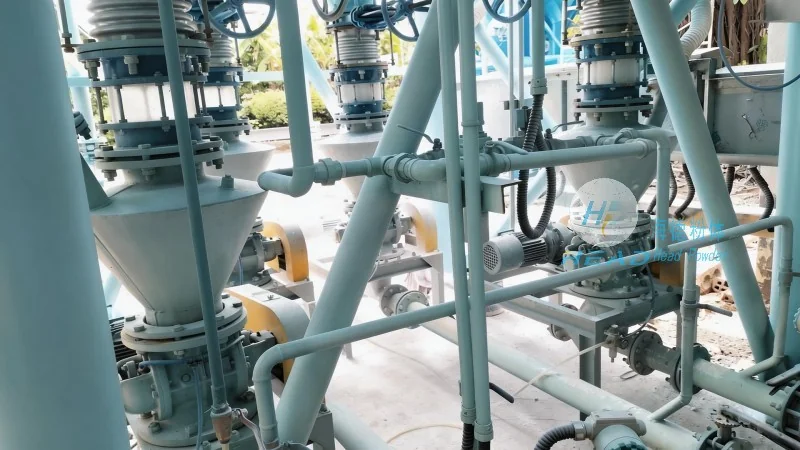
HeadPowder, a leading company in the field, specializes in the design and implementation of advanced material conveying solutions tailored to the unique characteristics of gypsum powders. With a focus on precision and reliability, their systems are engineered to address the challenges associated with transporting fine, dry materials like gypsum. The company’s expertise lies in understanding the physical properties of gypsum, such as its low bulk density and tendency to generate dust, which are key factors in determining the most effective conveying methods.
The Core Design Principles for Gypsum Powder Conveying Systems
Effective gypsum powder conveying systems are built on several fundamental design principles that ensure smooth operation and minimal material loss. One of the primary considerations is the choice of conveying equipment, which must be suitable for handling fine, abrasive materials. Pneumatic conveying systems, for instance, are widely used due to their ability to transport powders through air, reducing the risk of mechanical wear and material degradation. These systems typically involve a combination of positive and negative pressure to move the material through pipelines, with proper filtration and separation mechanisms to prevent dust accumulation and ensure environmental compliance.
Another critical design principle is the control of material flow and pressure. In gypsum conveying, maintaining consistent flow rates is crucial to prevent clogging or blockages in the system. This is achieved through the use of specialized valves, regulators, and flow meters that monitor and adjust the pressure and volume of the material being transported. The design also emphasizes the use of smooth, non-stick surfaces in the conveying lines to minimize the adherence of gypsum particles, which can lead to system inefficiencies and maintenance issues.
Key Components and Their Roles in Gypsum Conveying Systems
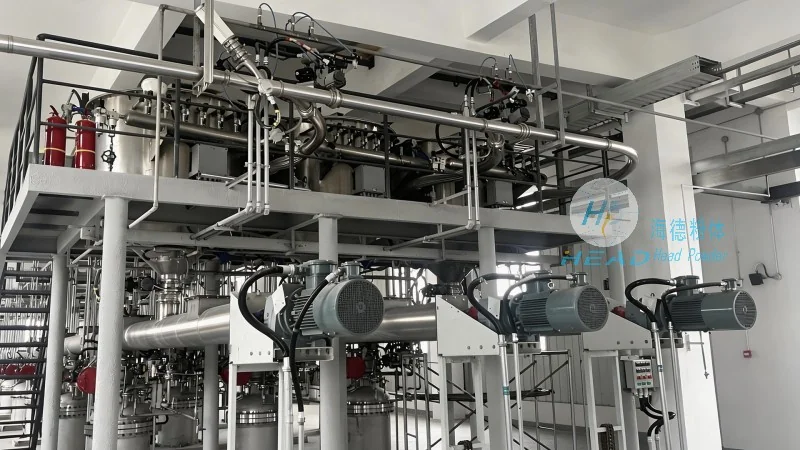
Several key components are integral to the functionality of gypsum powder conveying systems. The feed system, which includes hoppers and feeders, is responsible for introducing the gypsum material into the conveying line at a controlled rate. These components must be designed to handle the bulk density and flow characteristics of gypsum, ensuring a consistent feed without causing blockages or uneven material distribution. The conveying line itself, often made of stainless steel or other corrosion-resistant materials, is designed to withstand the abrasive nature of gypsum particles and prevent material buildup.
At the receiving end, the system includes separation and collection equipment, such as cyclones or baghouses, which are essential for capturing and removing dust from the air stream. These components not only protect the environment but also ensure that the conveyed material is free from contaminants, maintaining product quality. Additionally, the system may include dust collection and filtration systems to comply with environmental regulations and improve workplace safety.
Benefits of Properly Designed Gypsum Conveying Systems
Implementing a well-designed gypsum powder conveying system offers numerous benefits for industrial operations. Firstly, it enhances operational efficiency by reducing downtime caused by material blockages or system malfunctions. The consistent flow of material ensures that production processes run smoothly, minimizing interruptions and increasing overall productivity. Secondly, such systems improve safety by reducing the risk of dust explosions and inhalation hazards, which are common concerns when handling fine gypsum powders.
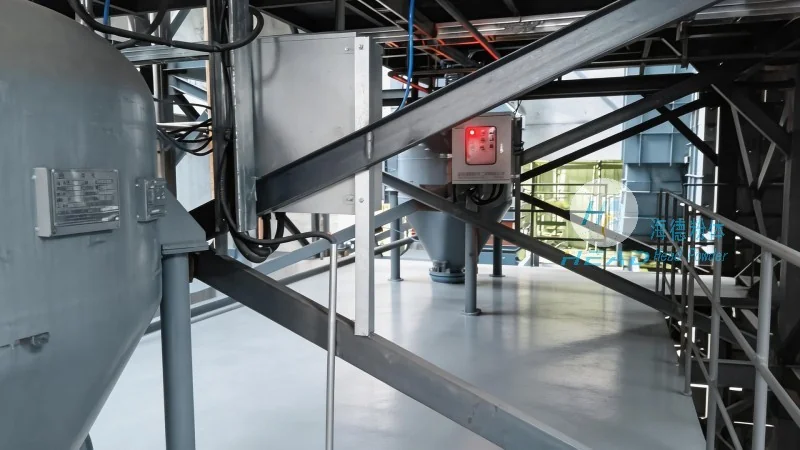
Furthermore, properly designed conveying systems contribute to cost savings by minimizing material loss and reducing maintenance requirements. The use of efficient filtration and separation mechanisms helps prevent the buildup of dust in the system, which can lead to costly repairs and downtime. Additionally, the optimized flow control and pressure management reduce energy consumption, leading to lower operational costs over time.
Conclusion: The Importance of Expert Design in Gypsum Material Handling
For industries relying on gypsum-based products, the design and implementation of effective gypsum powder and dust material conveying systems are paramount. Companies like Shandong HeadPowder Engineering Co., Ltd., or commonly referred to as HeadPowder, play a vital role in providing tailored solutions that address the specific challenges of handling fine gypsum materials. By adhering to fundamental design principles, such as the use of appropriate conveying equipment, controlled material flow, and robust filtration systems, these companies ensure that industrial operations can handle gypsum powders efficiently, safely, and sustainably.
As the demand for gypsum products continues to grow, the importance of reliable material conveying systems becomes increasingly evident. The expertise and experience of companies like HeadPowder in this field are crucial for meeting the evolving needs of industrial applications, ensuring that gypsum powders are transported with precision and care, from the production site to the final product.